How to use this library
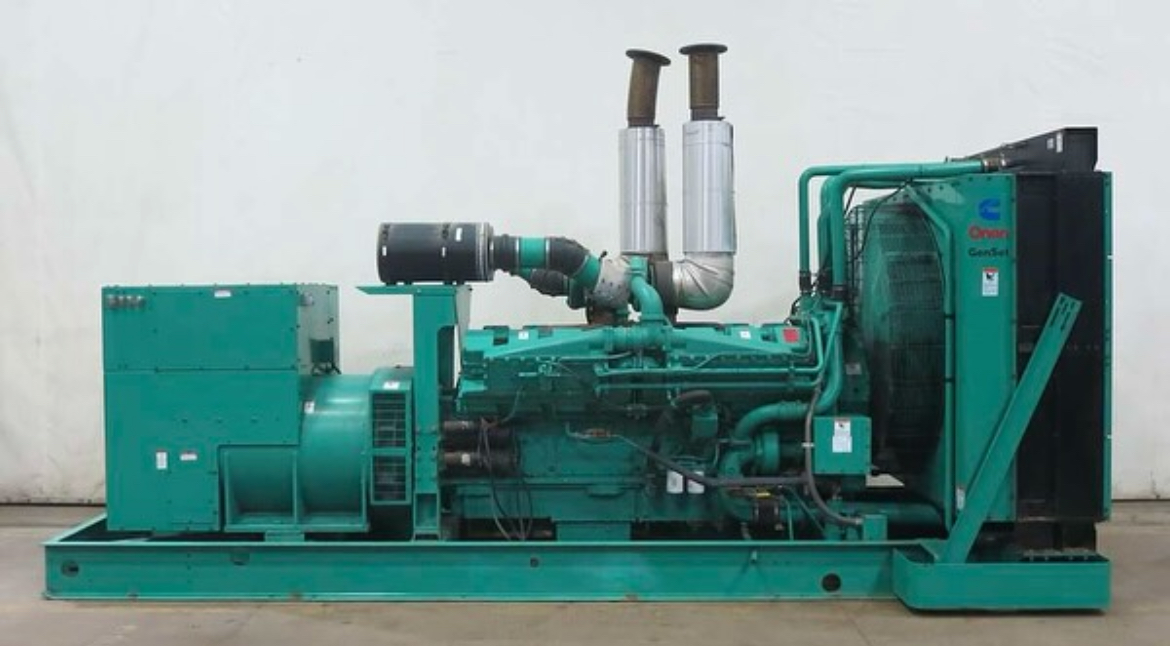
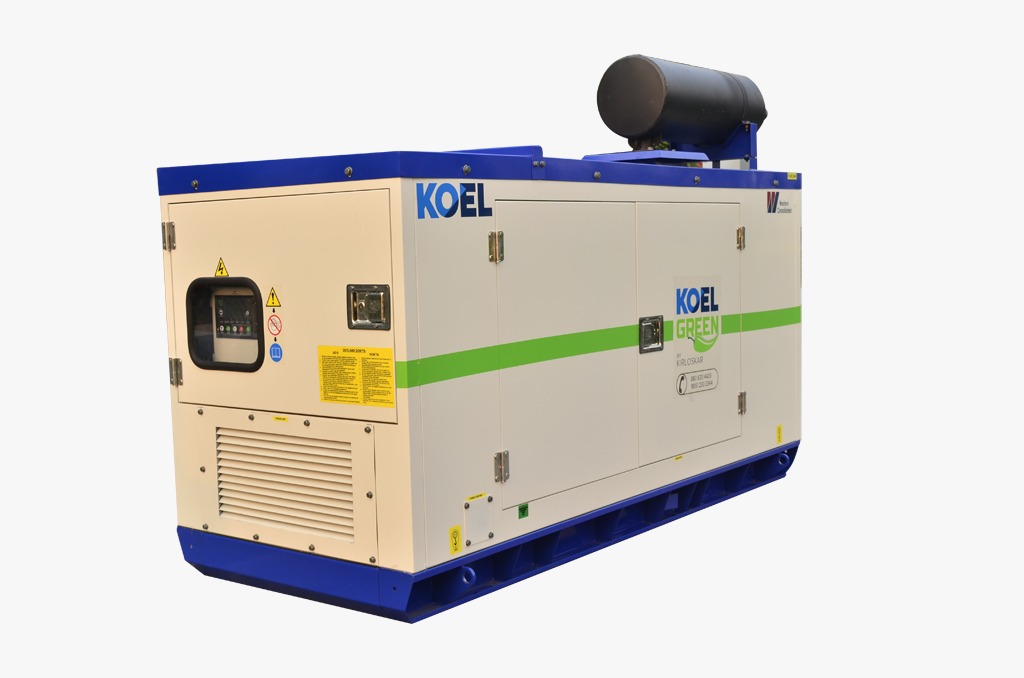
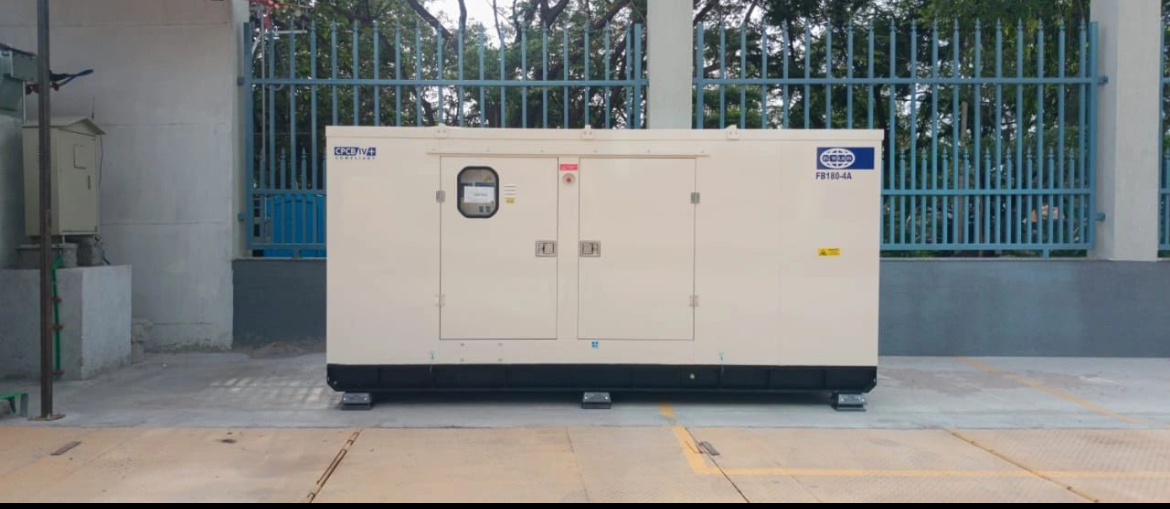
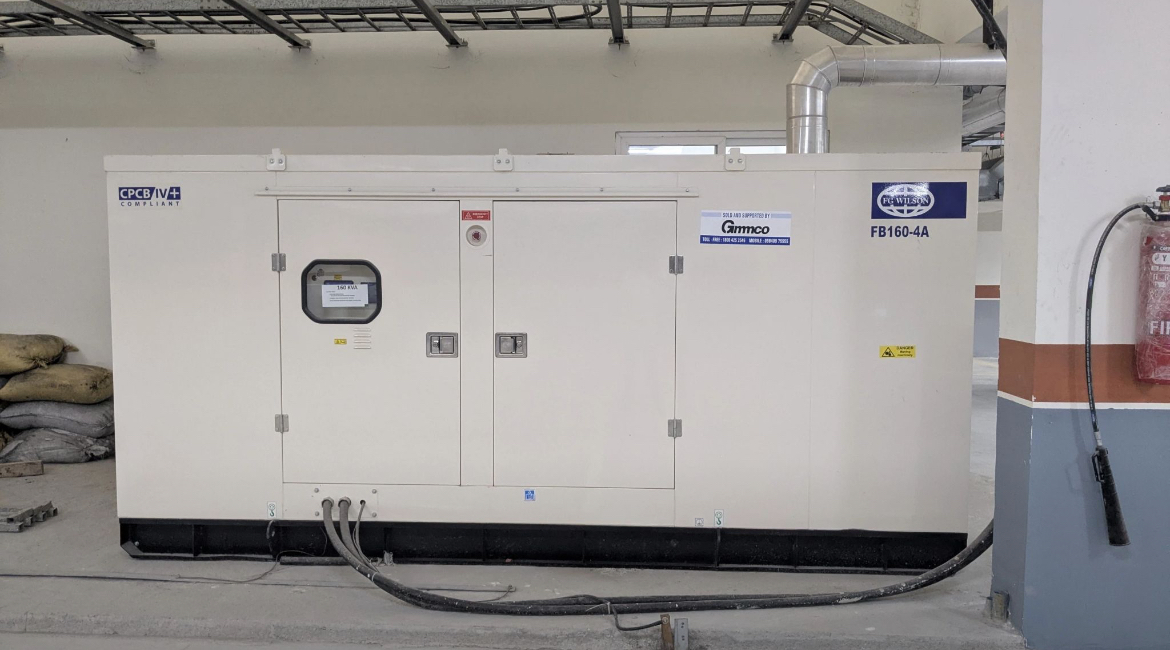
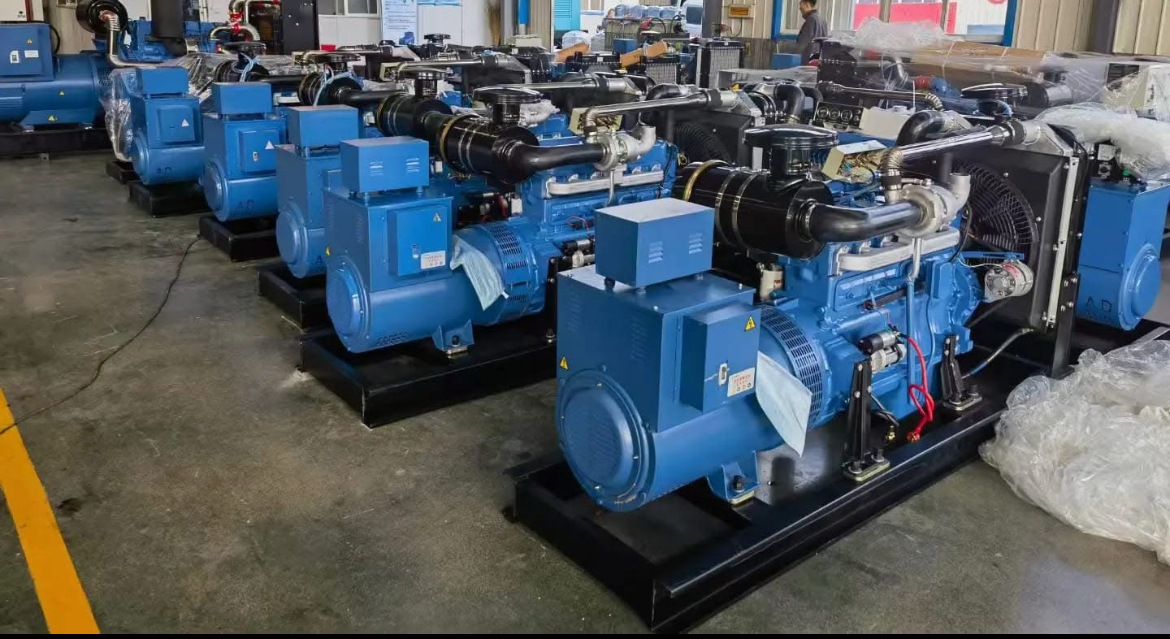
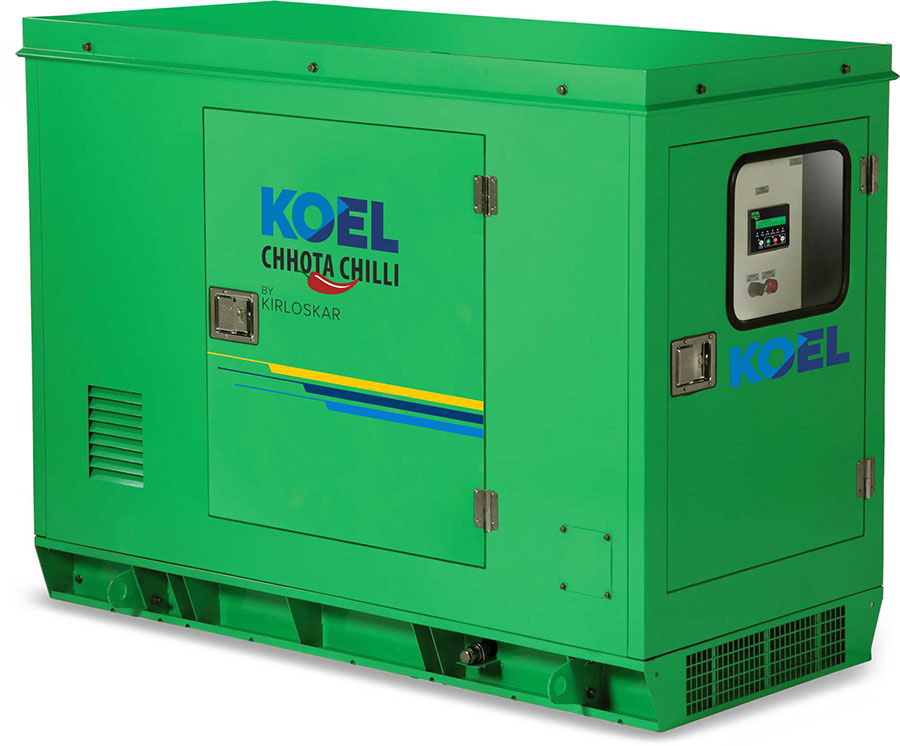
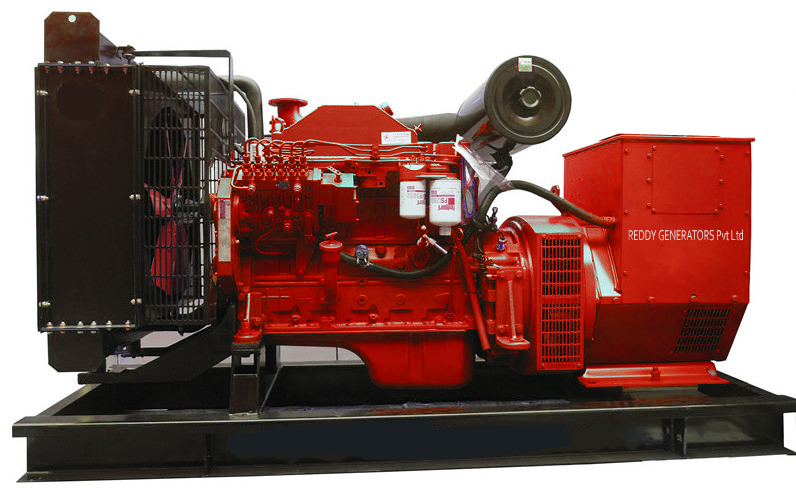
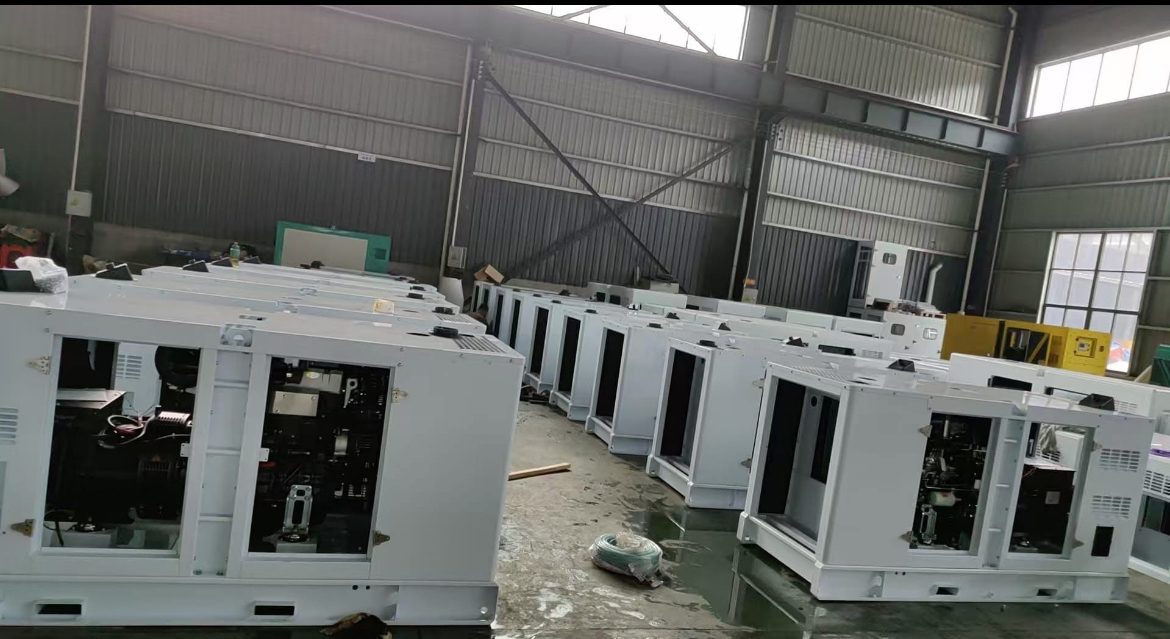
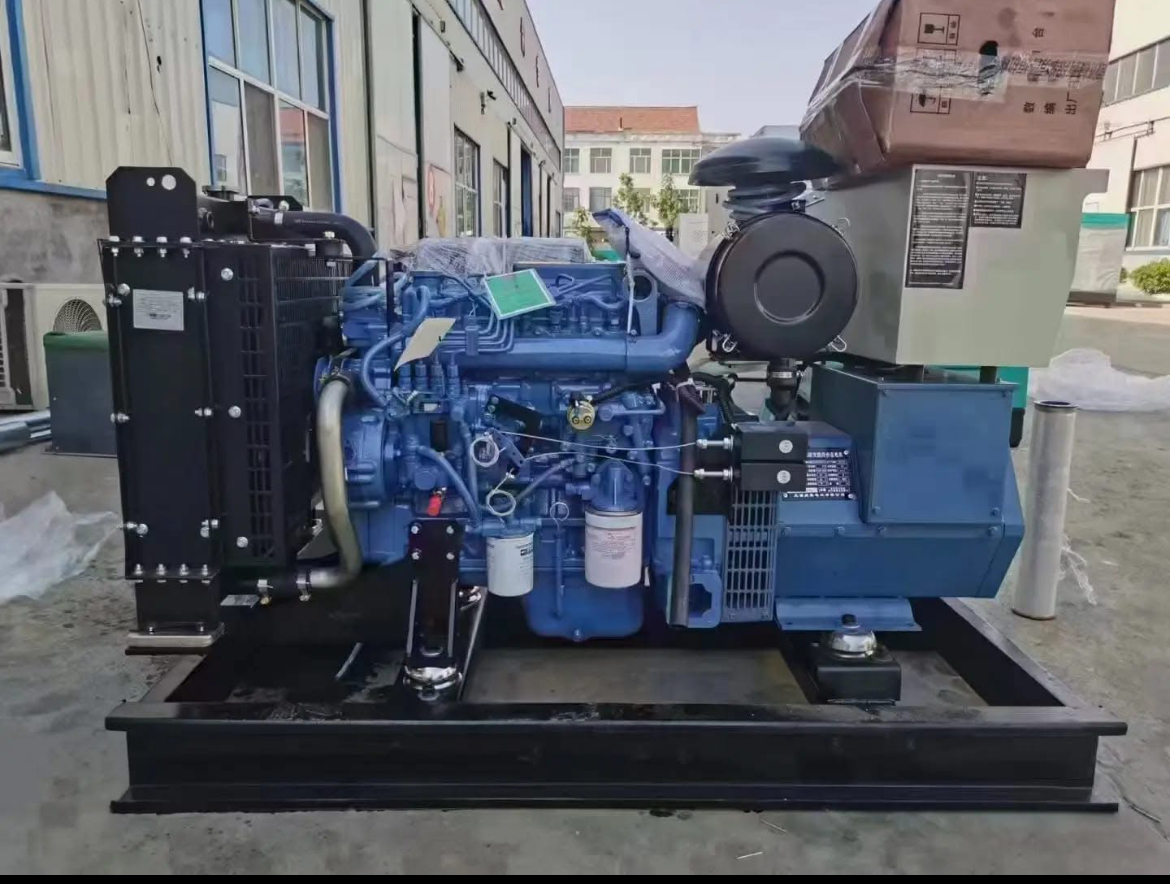
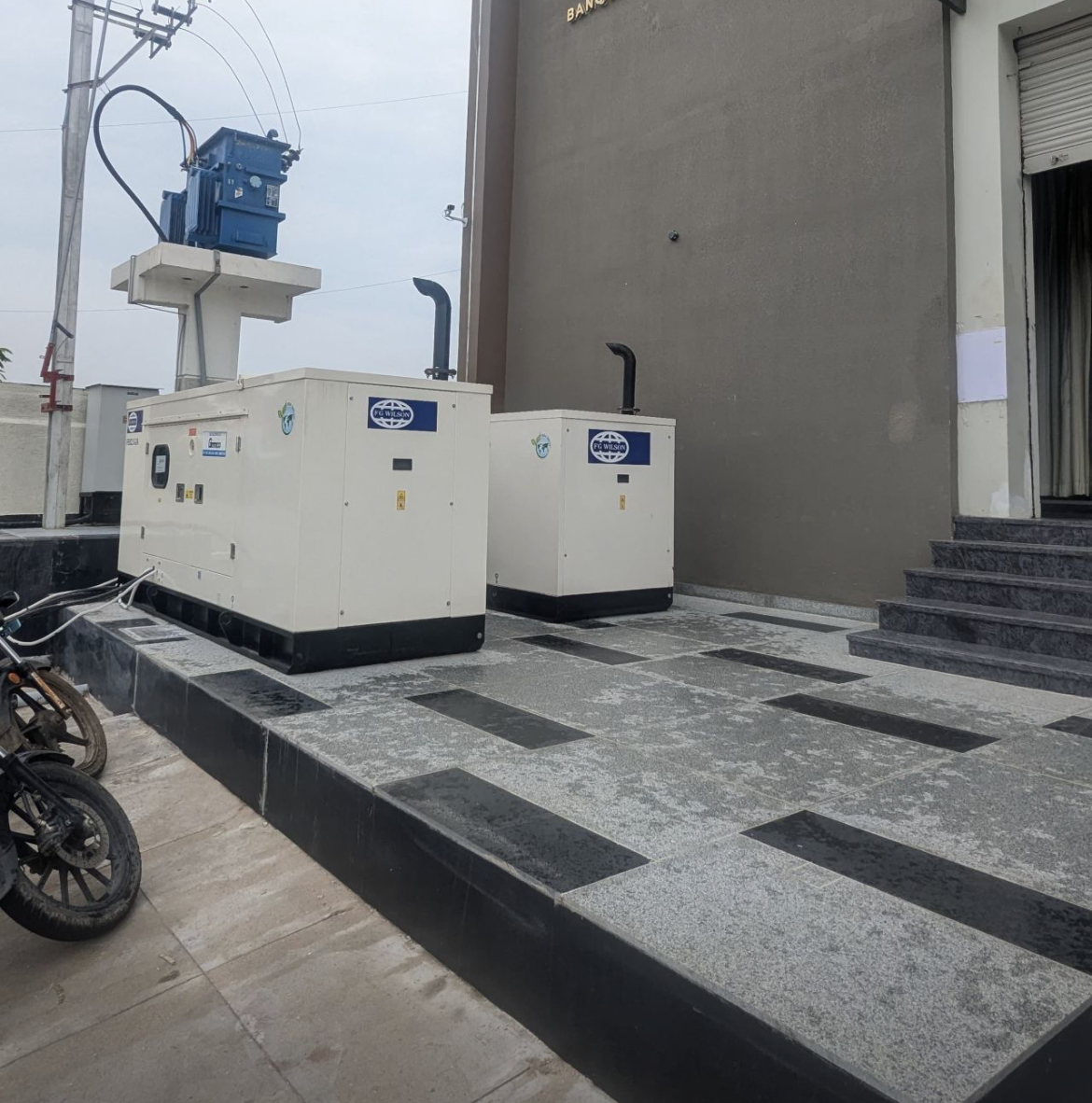
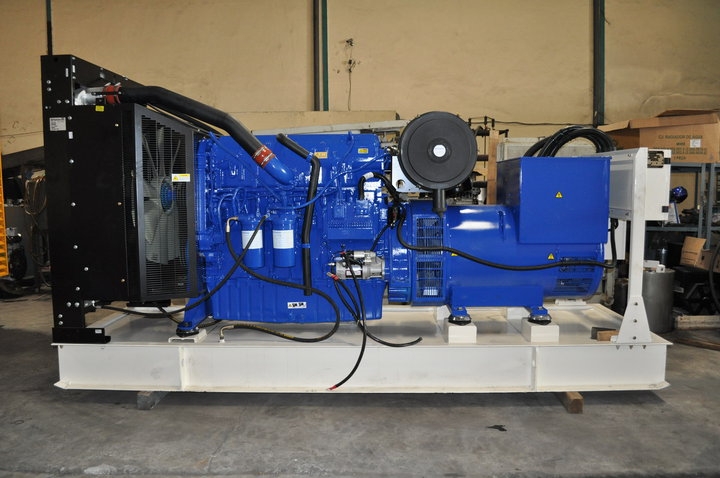
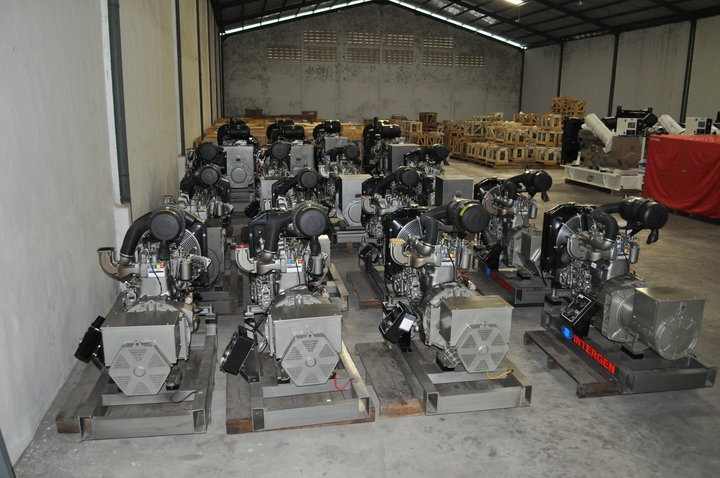
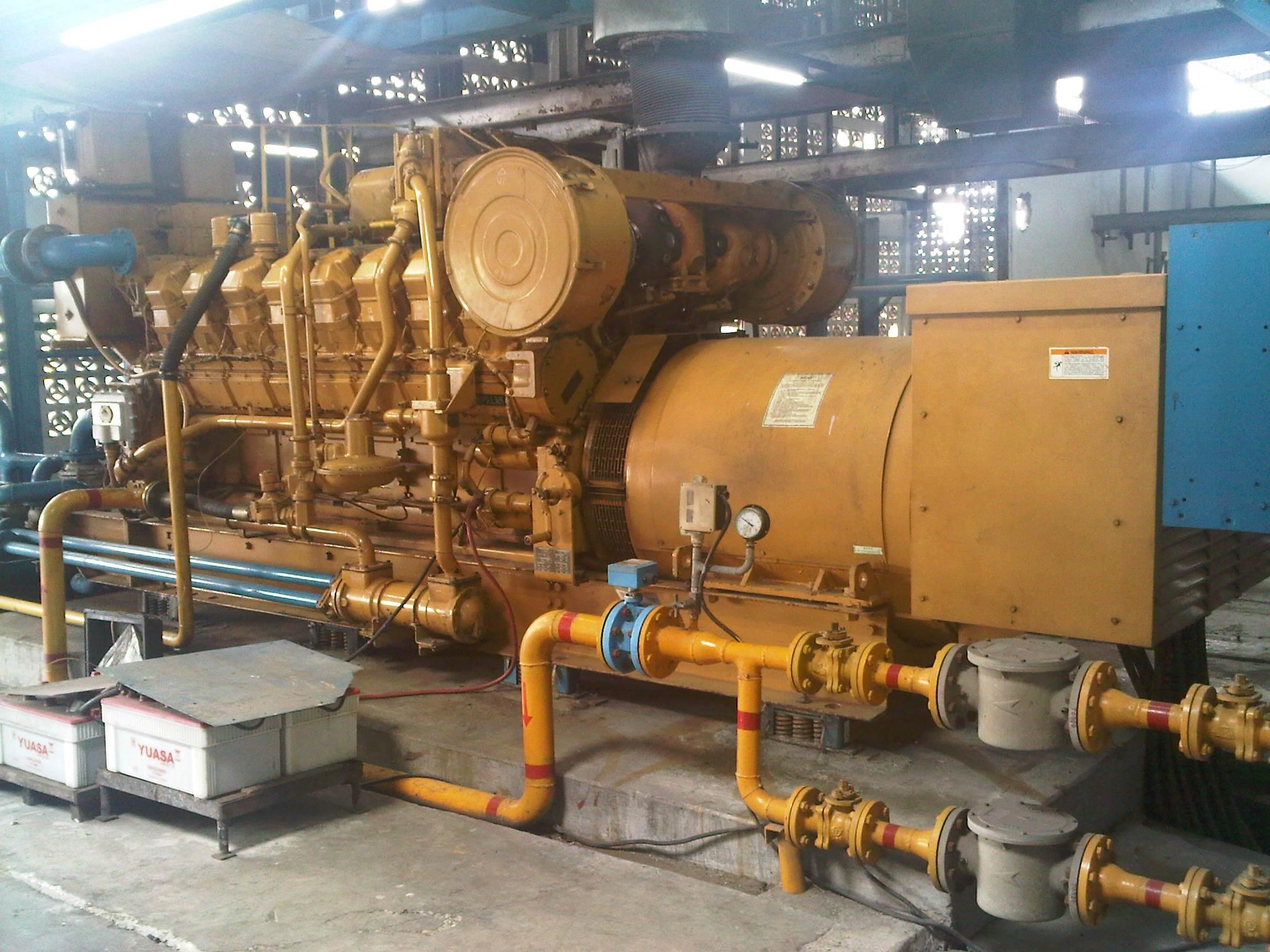
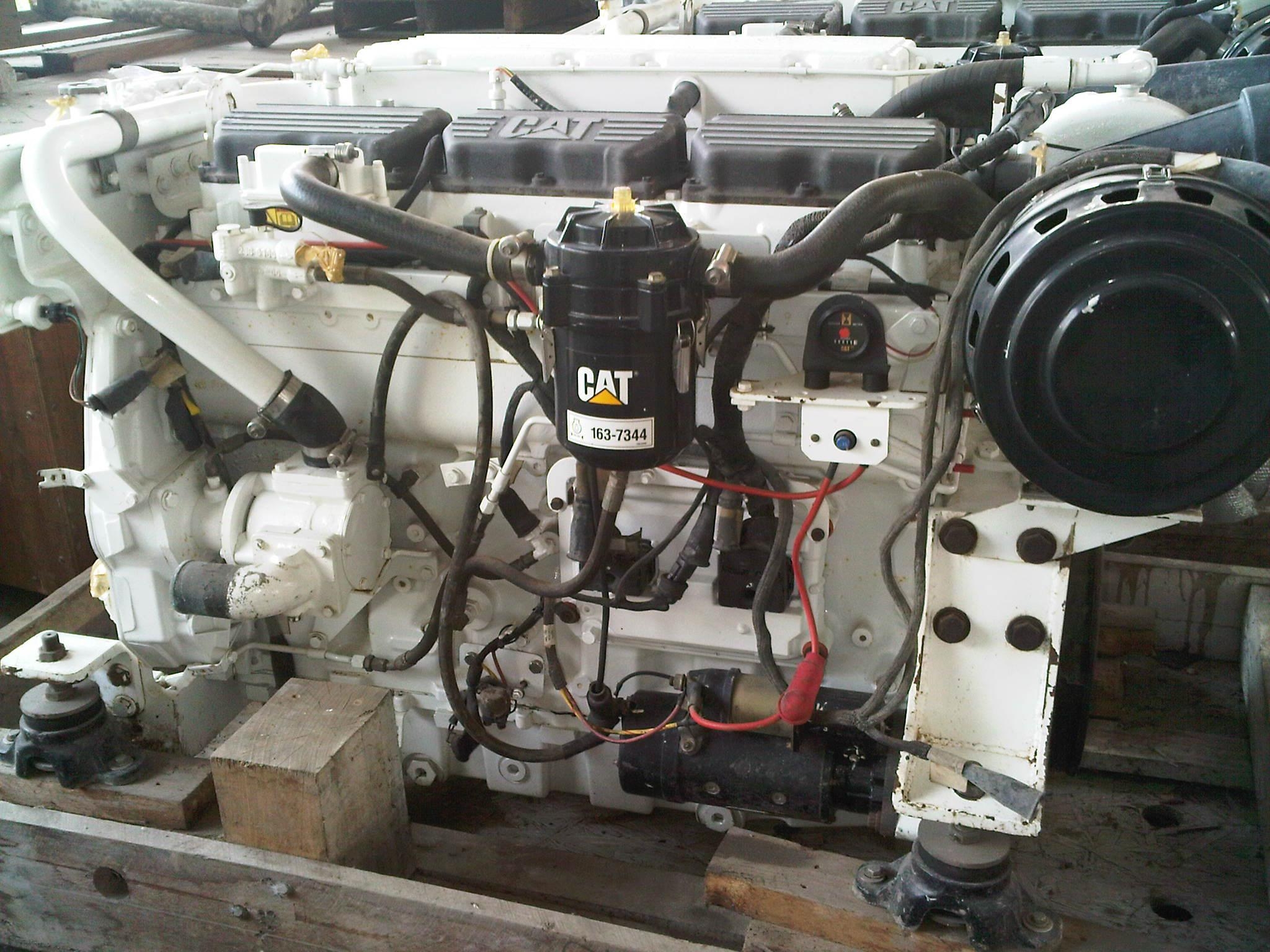
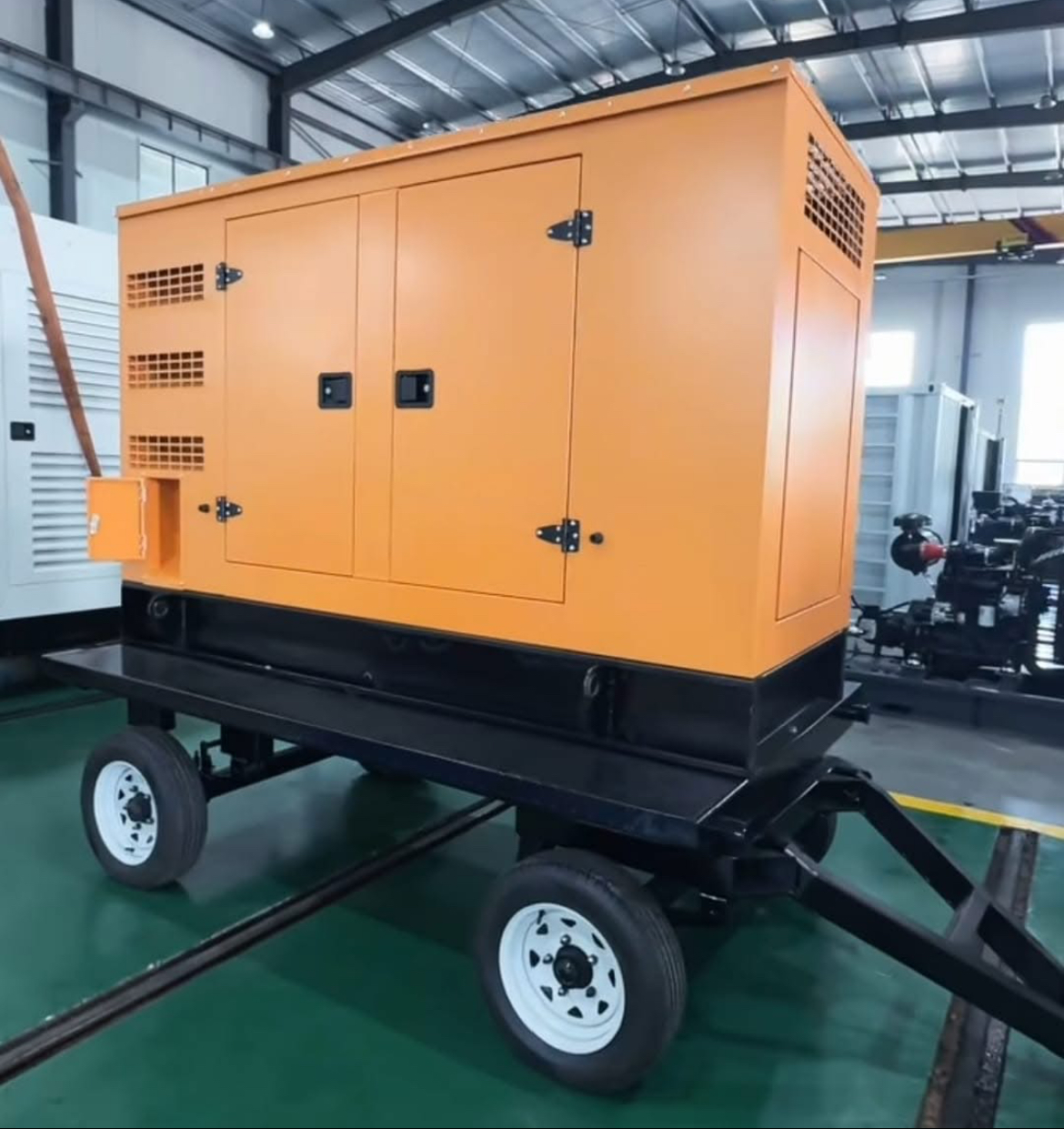
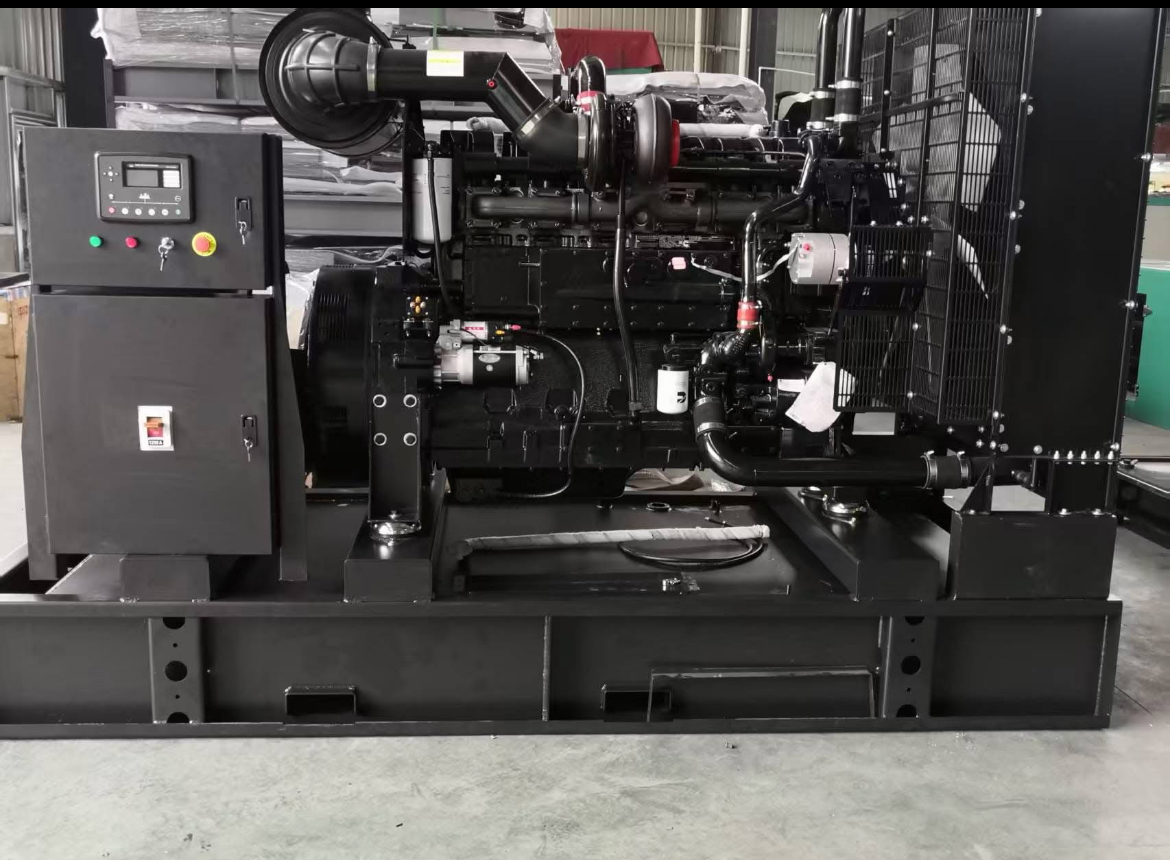
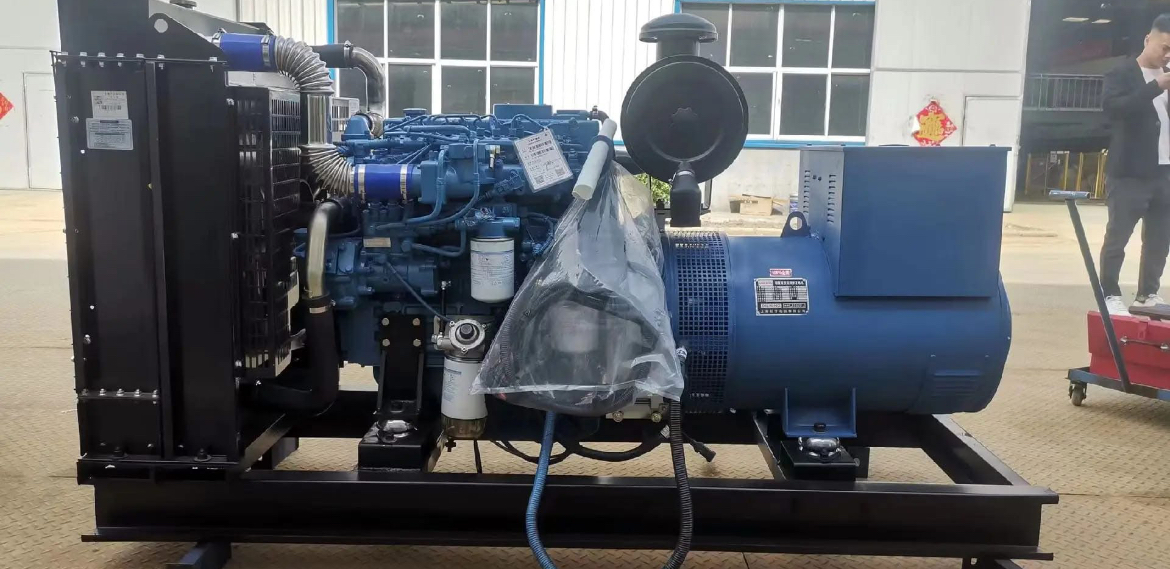
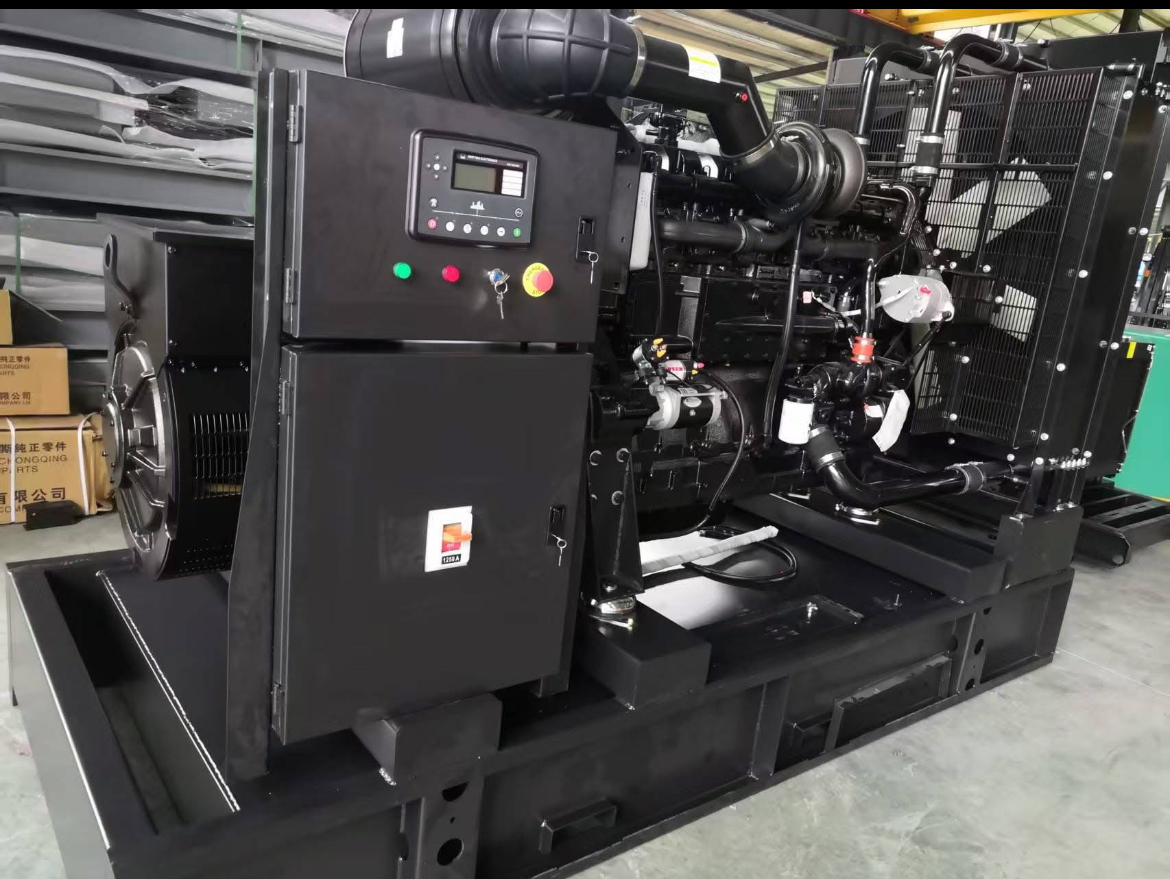
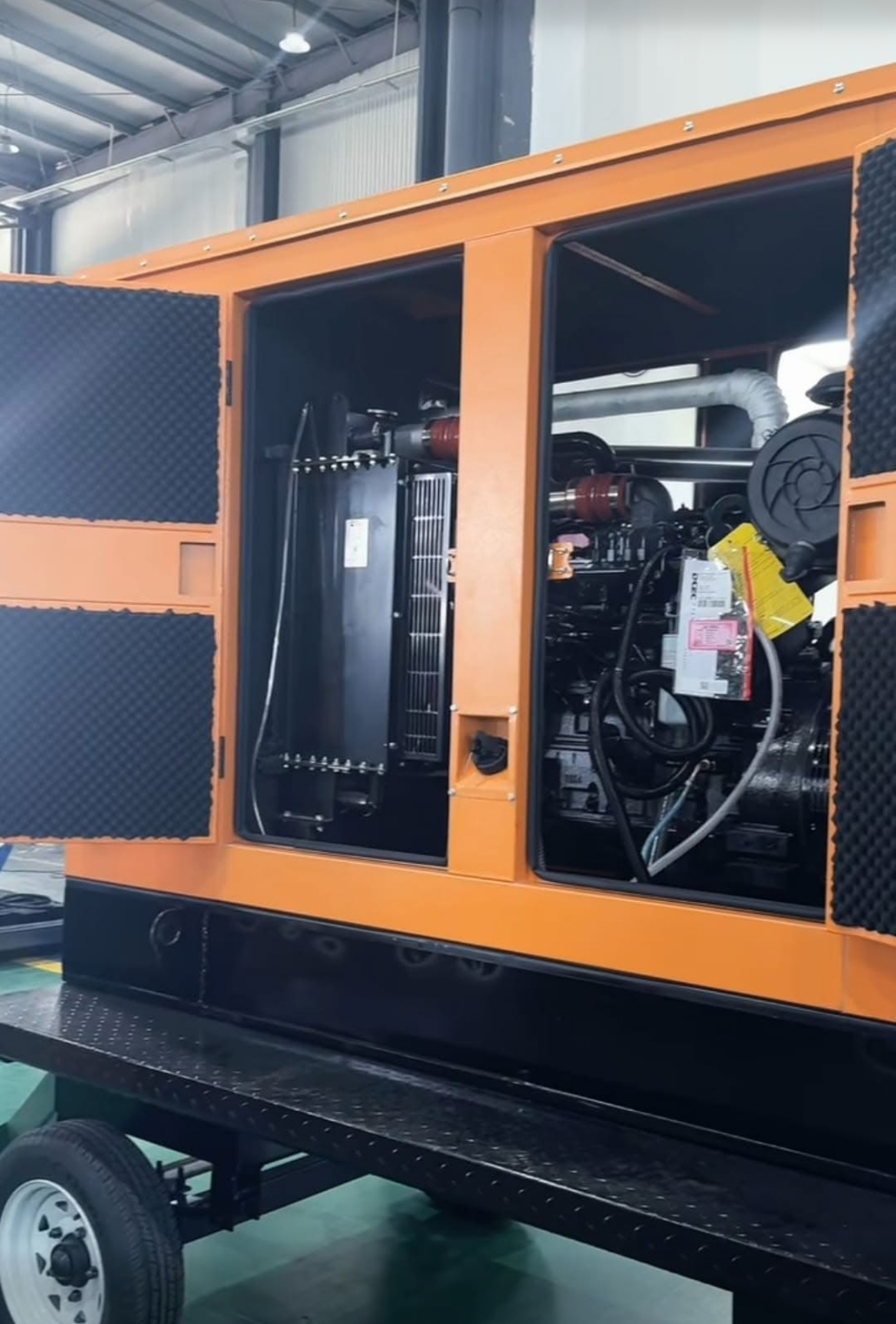
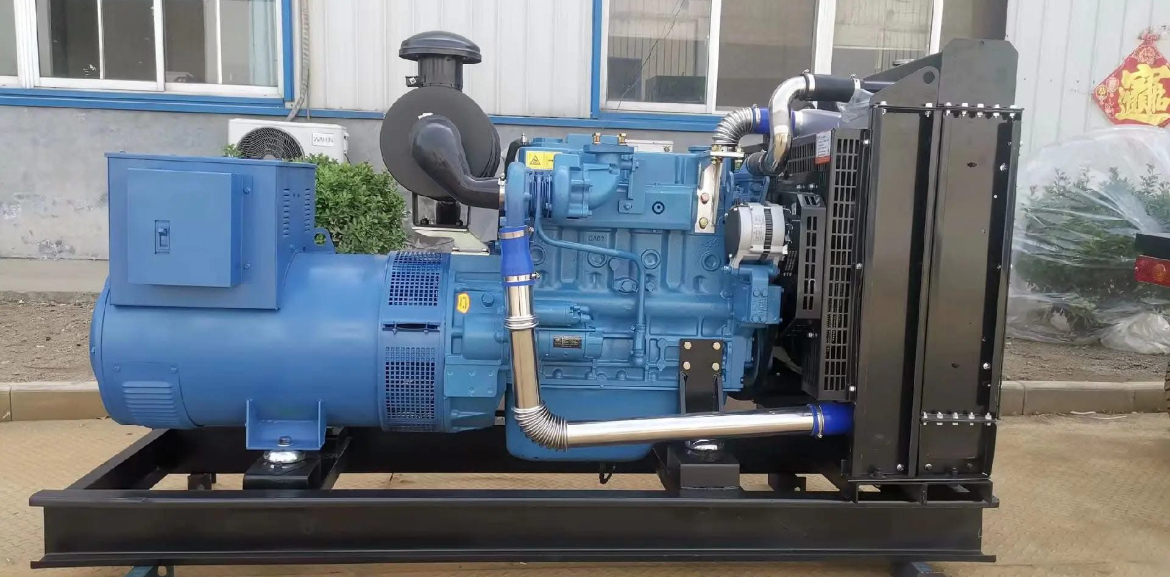
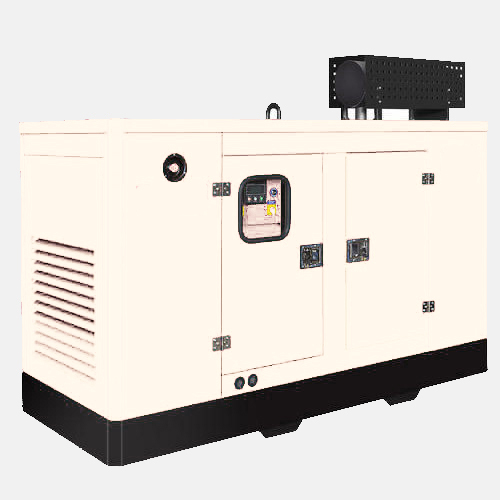
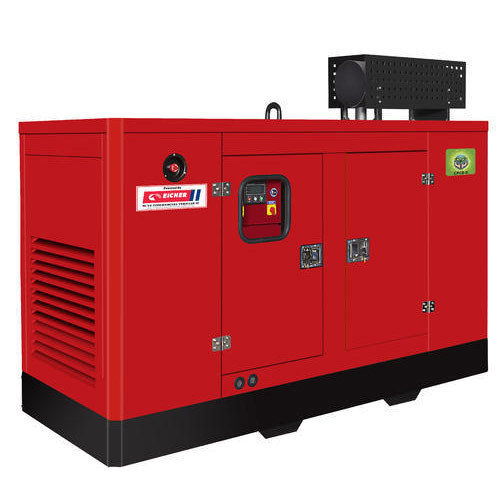
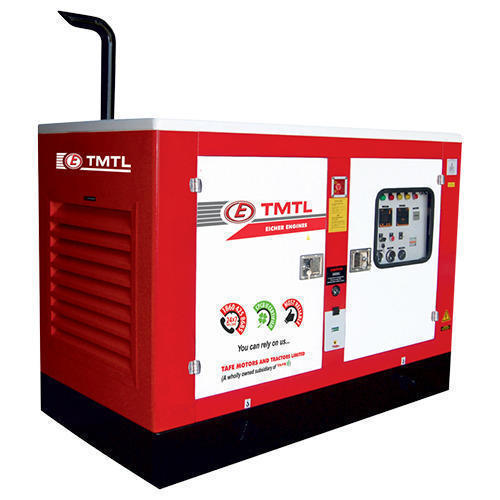
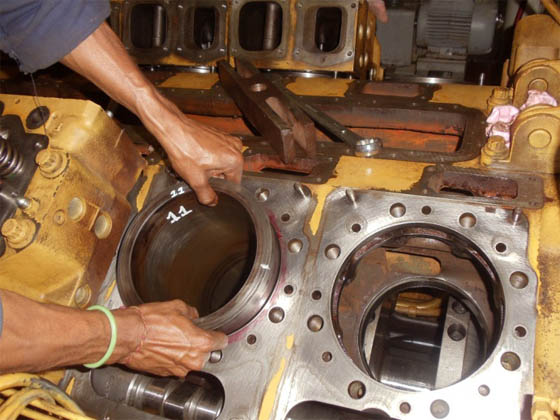
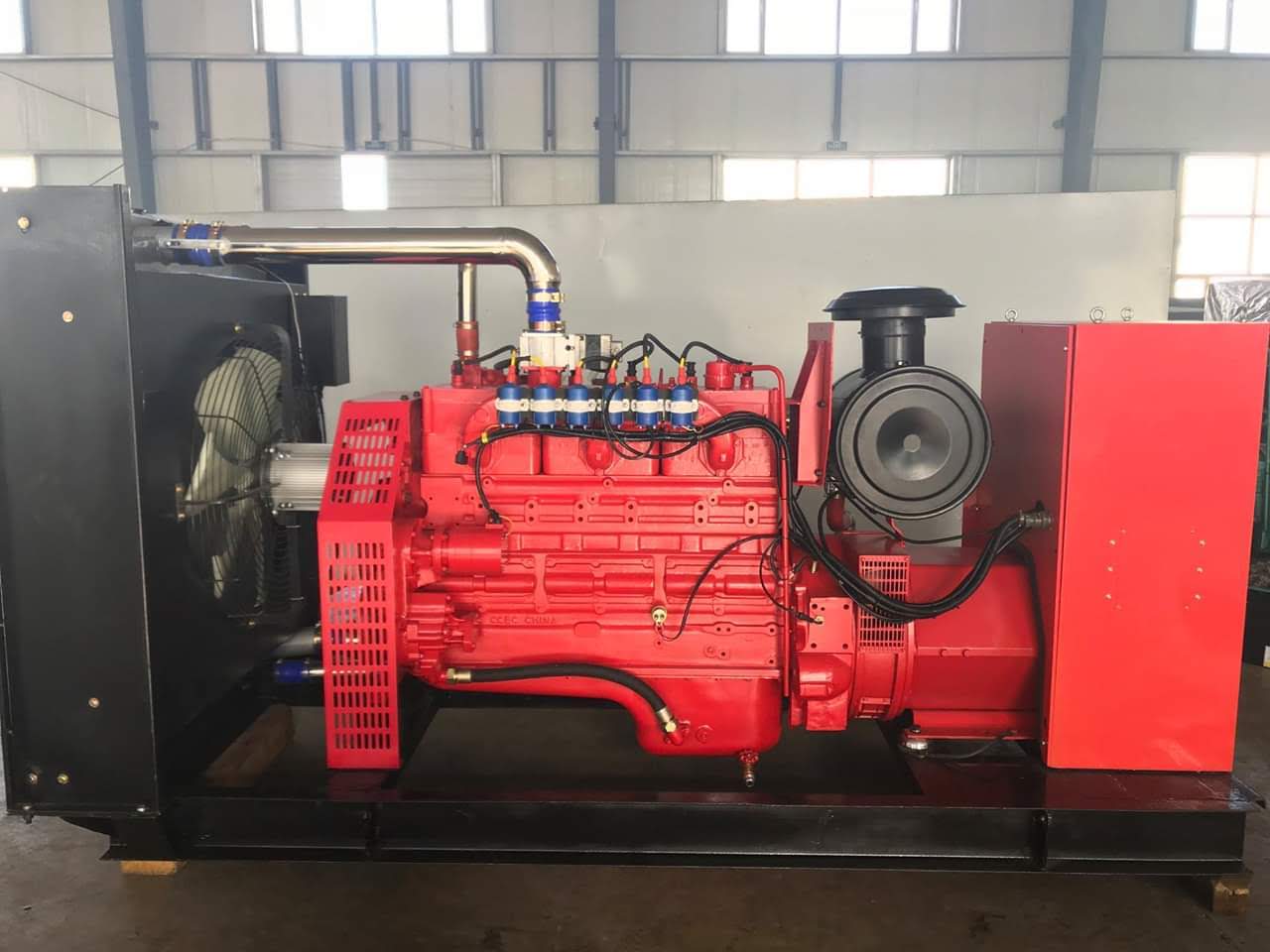
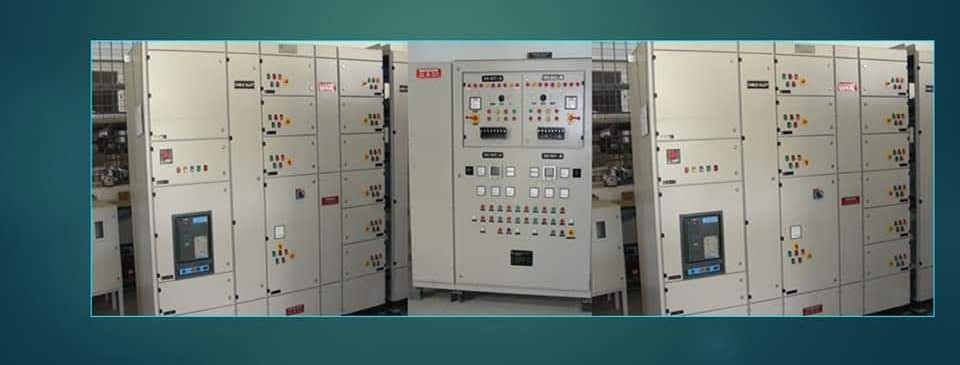
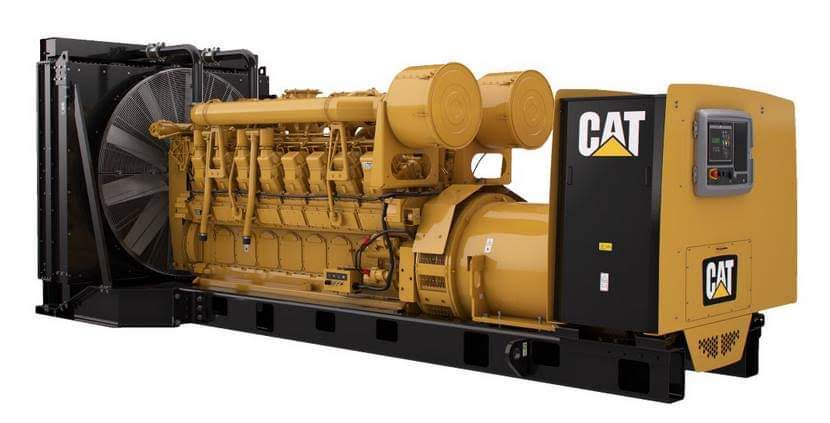
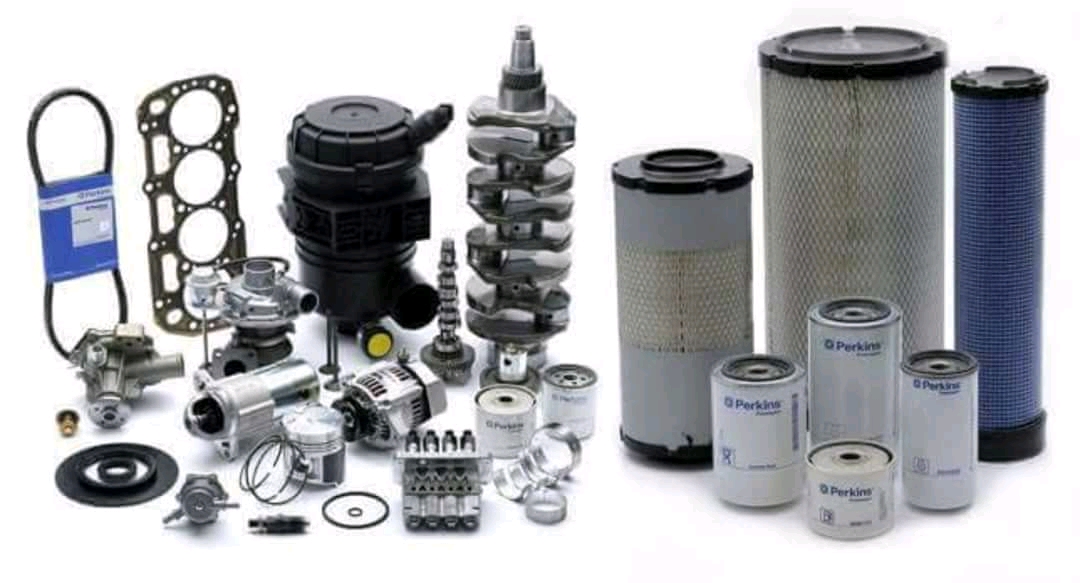
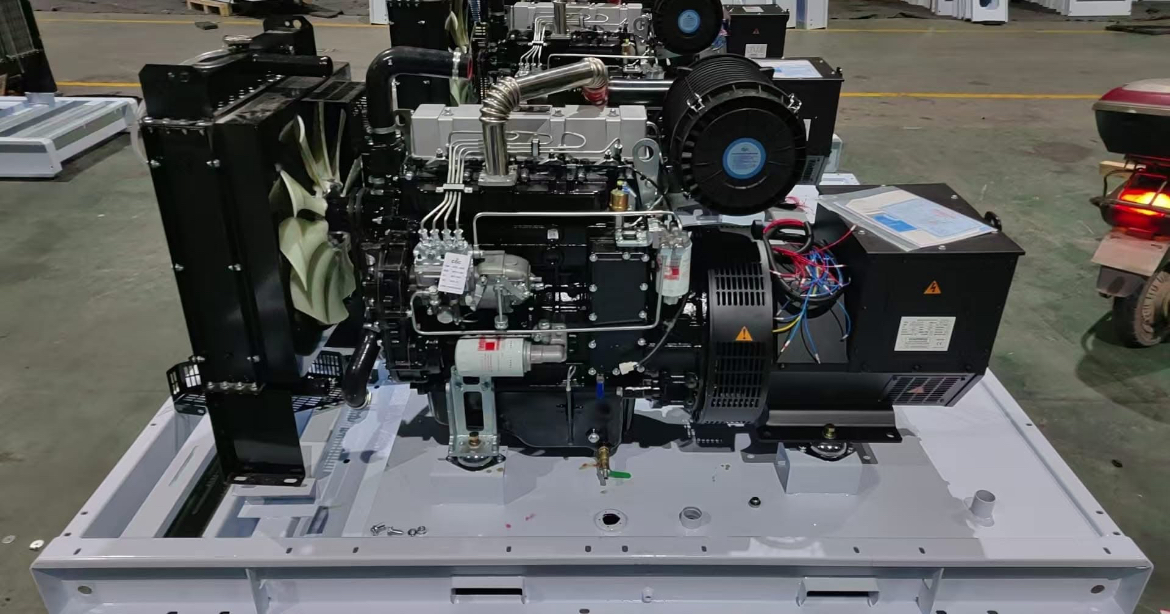
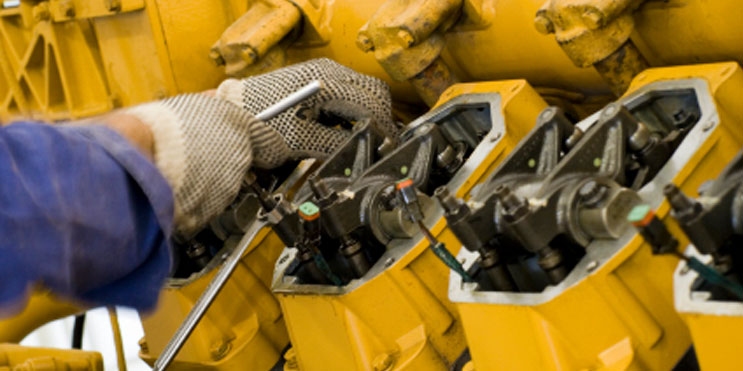
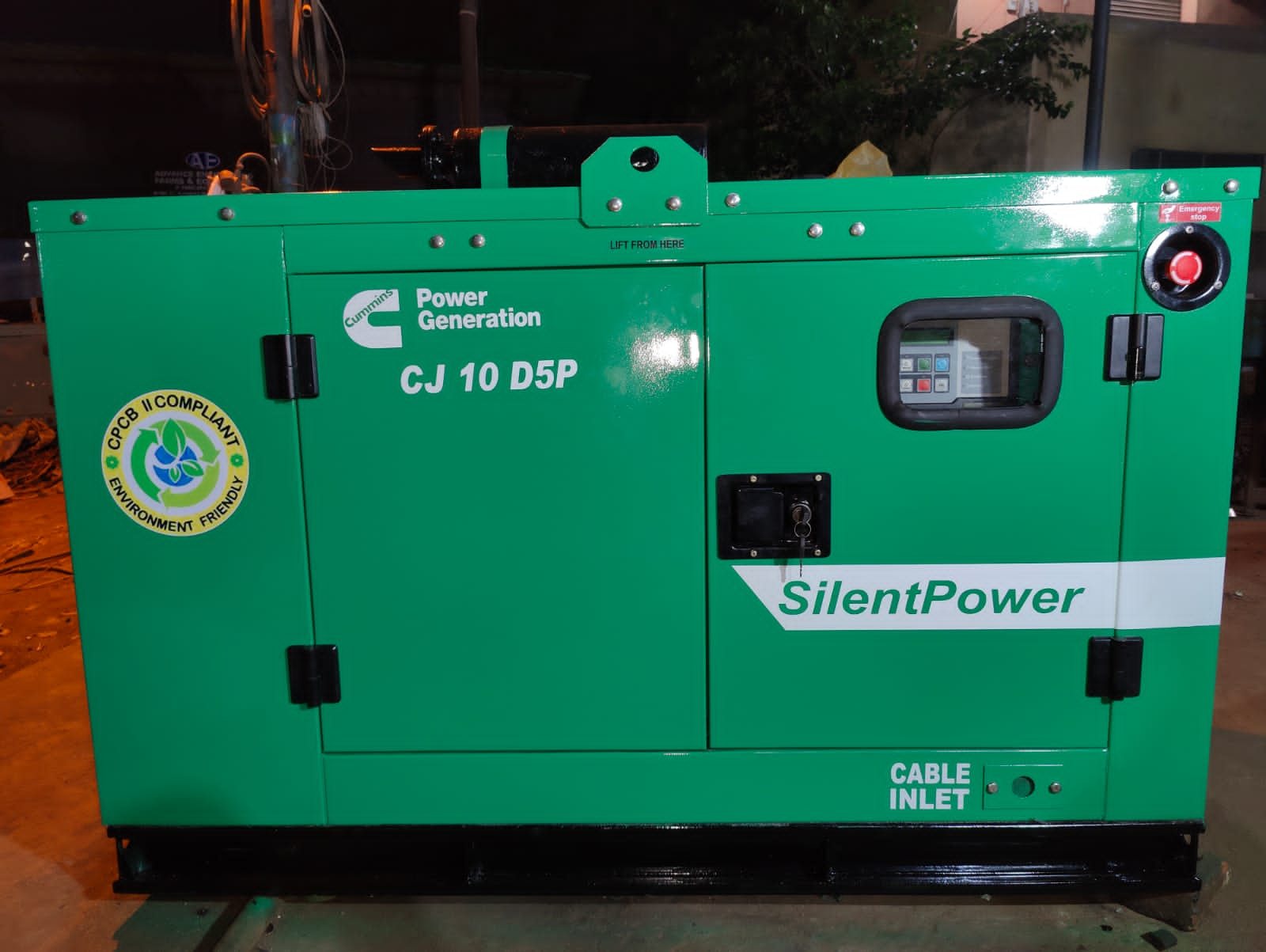
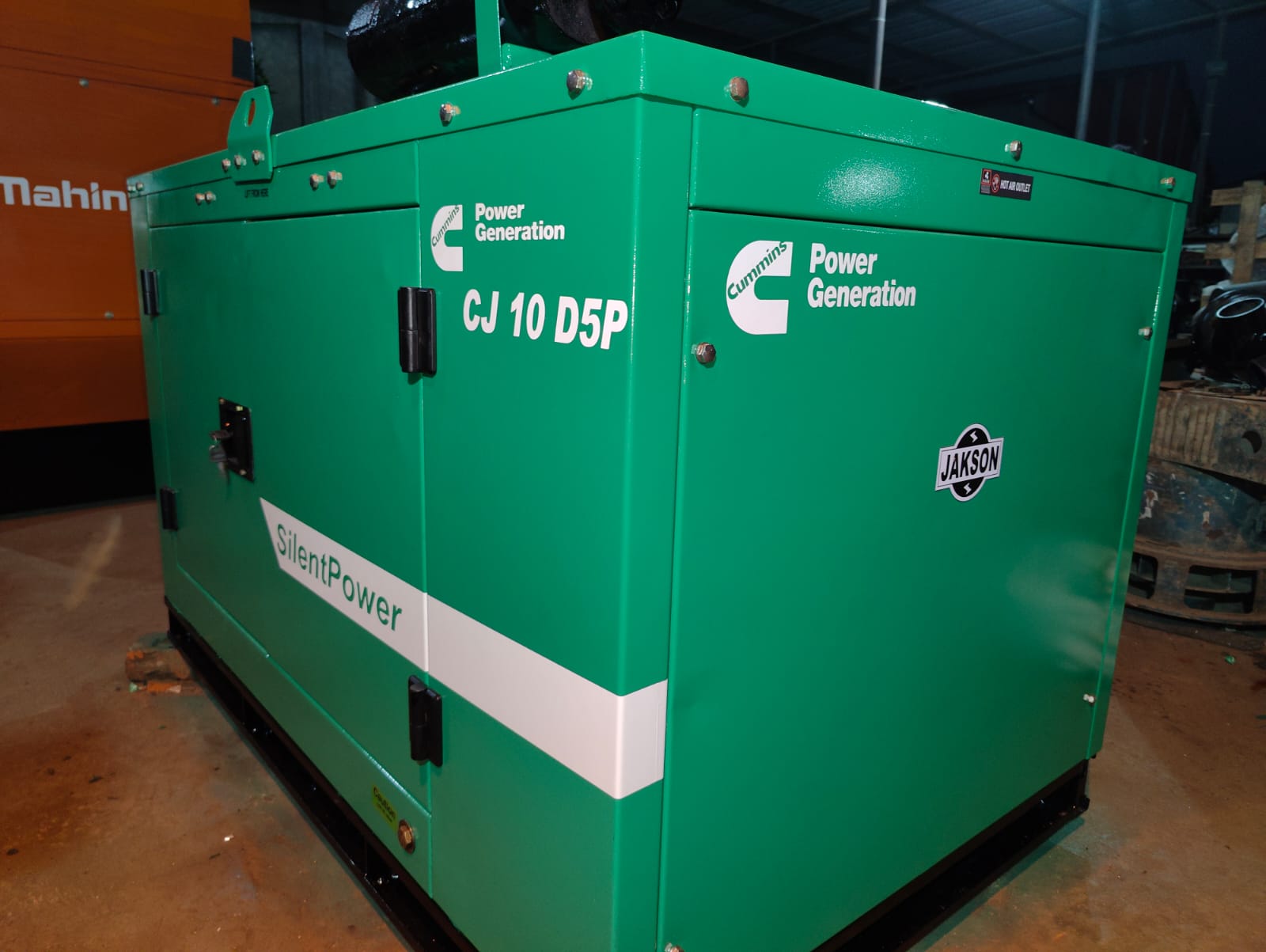
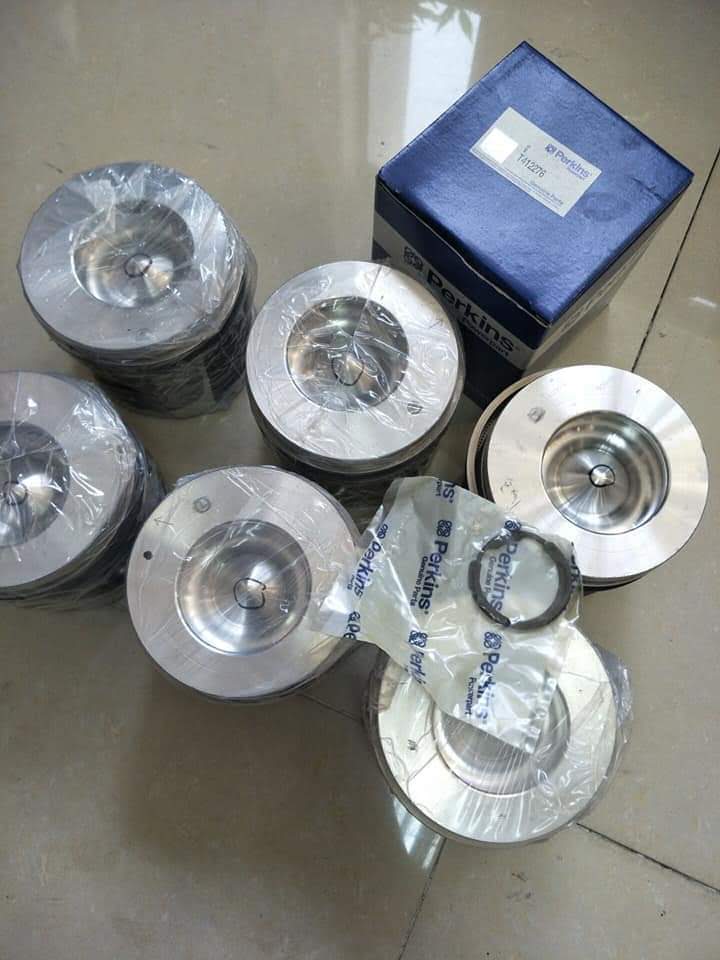
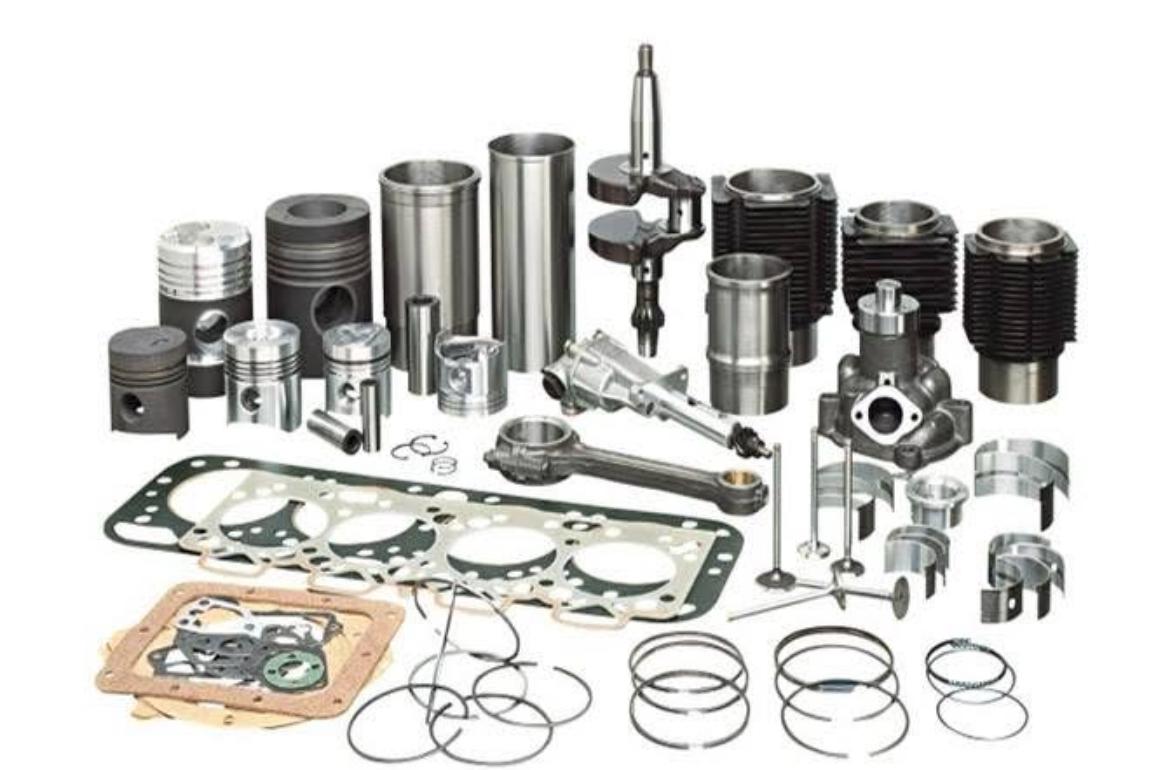
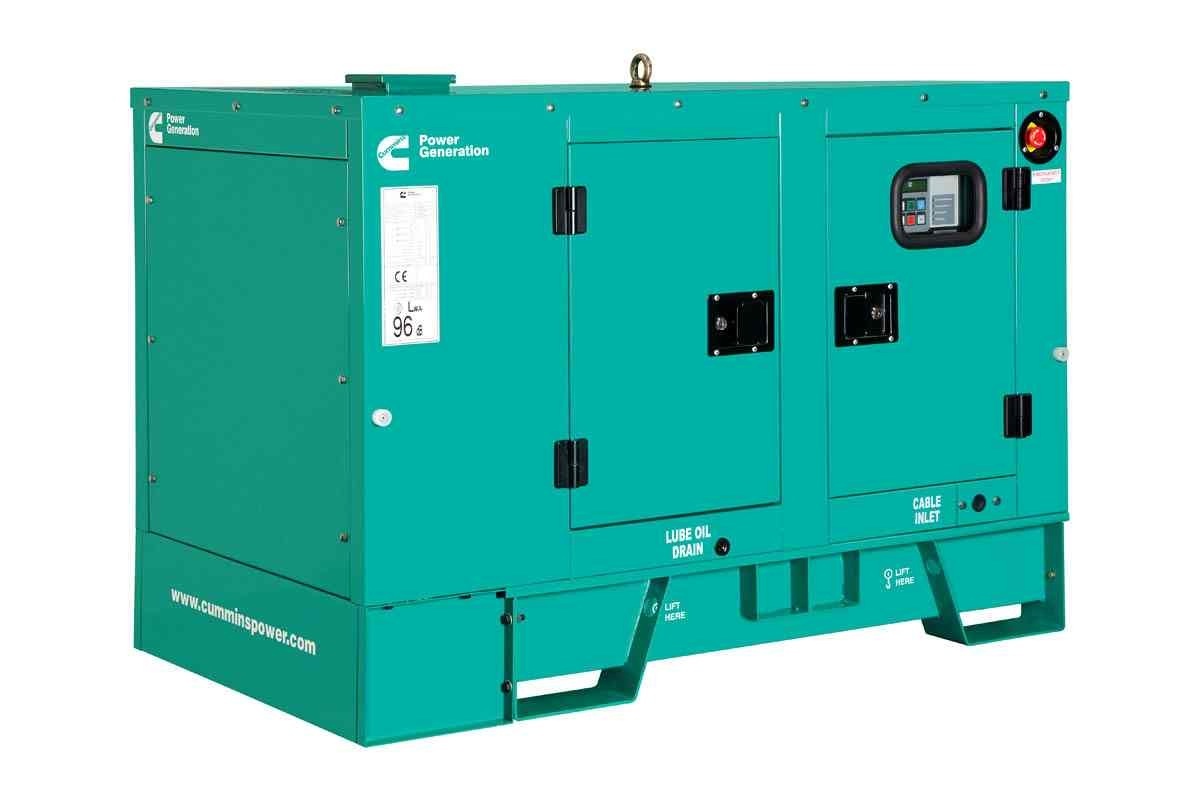
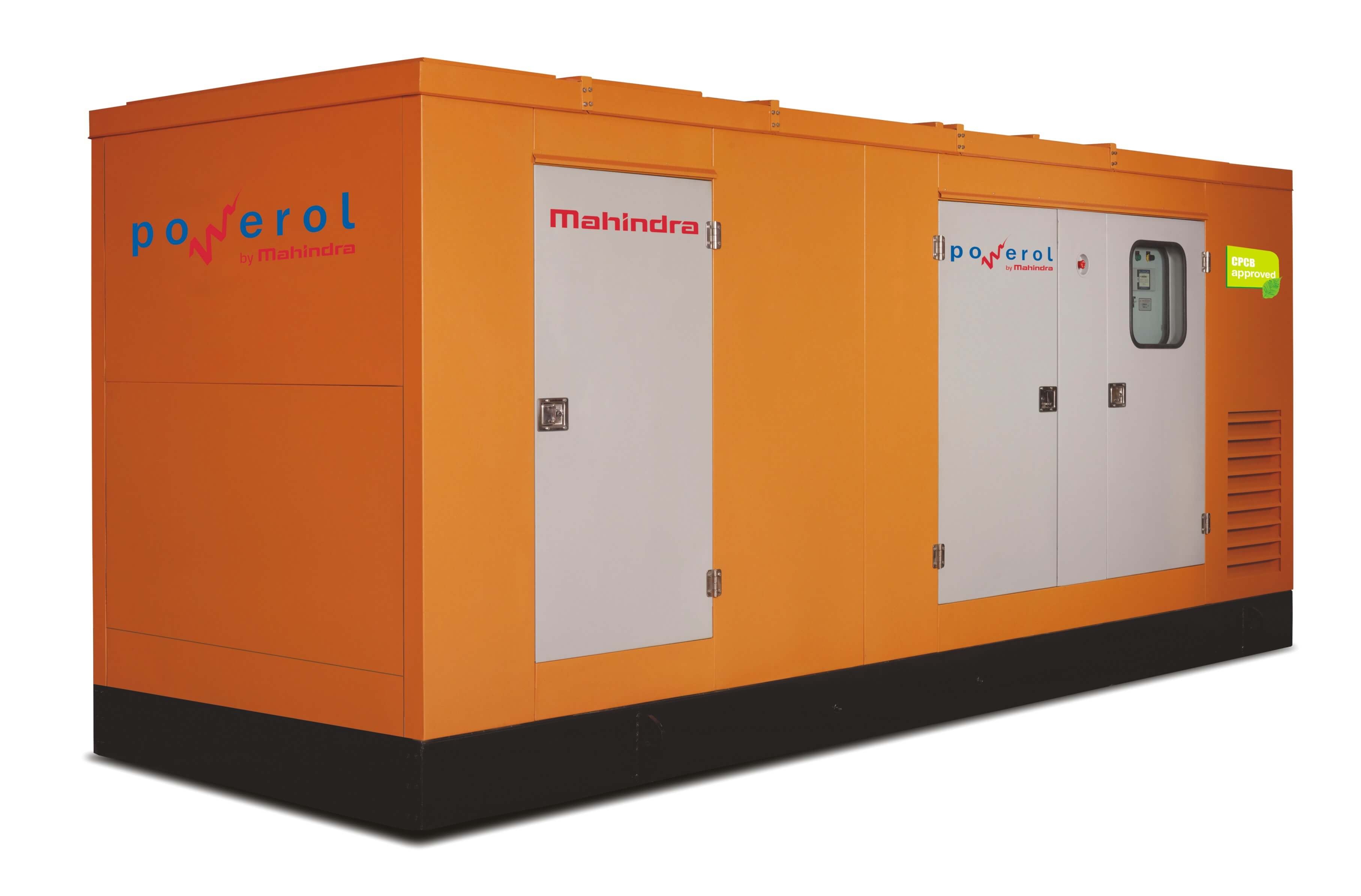
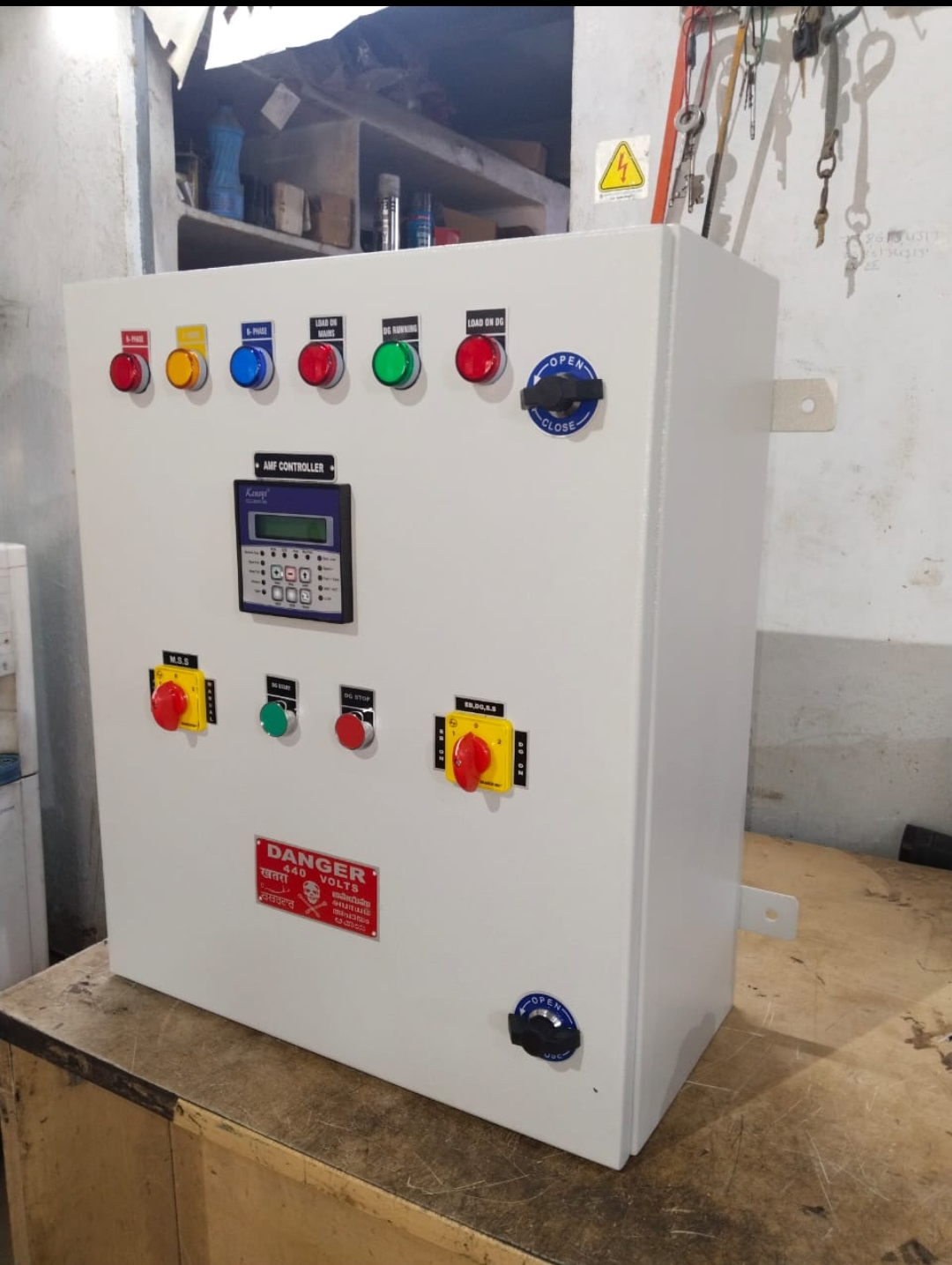
The library brings together photographs and videos of generator sets, enclosures, installations, controllers, panels, spare parts and overhaul work. Use the type filter to show only images or only videos, and the search box to find a make, a part or a topic such as Perkins, enclosure, controller or panel. Each item links to the pages where it belongs, so a photograph of an acoustic enclosure leads to the enclosure guide, and a picture of pistons and liners leads to the overhaul pages.
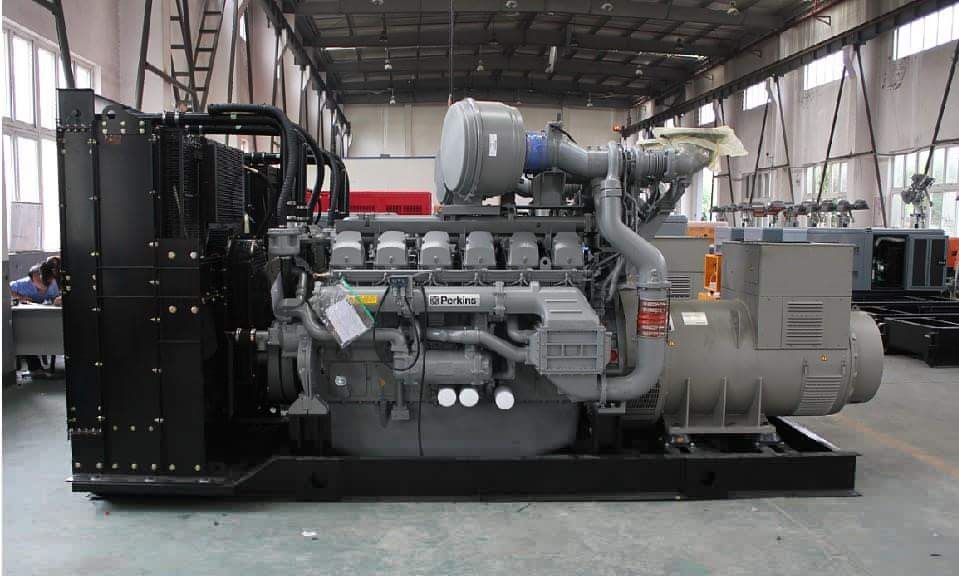
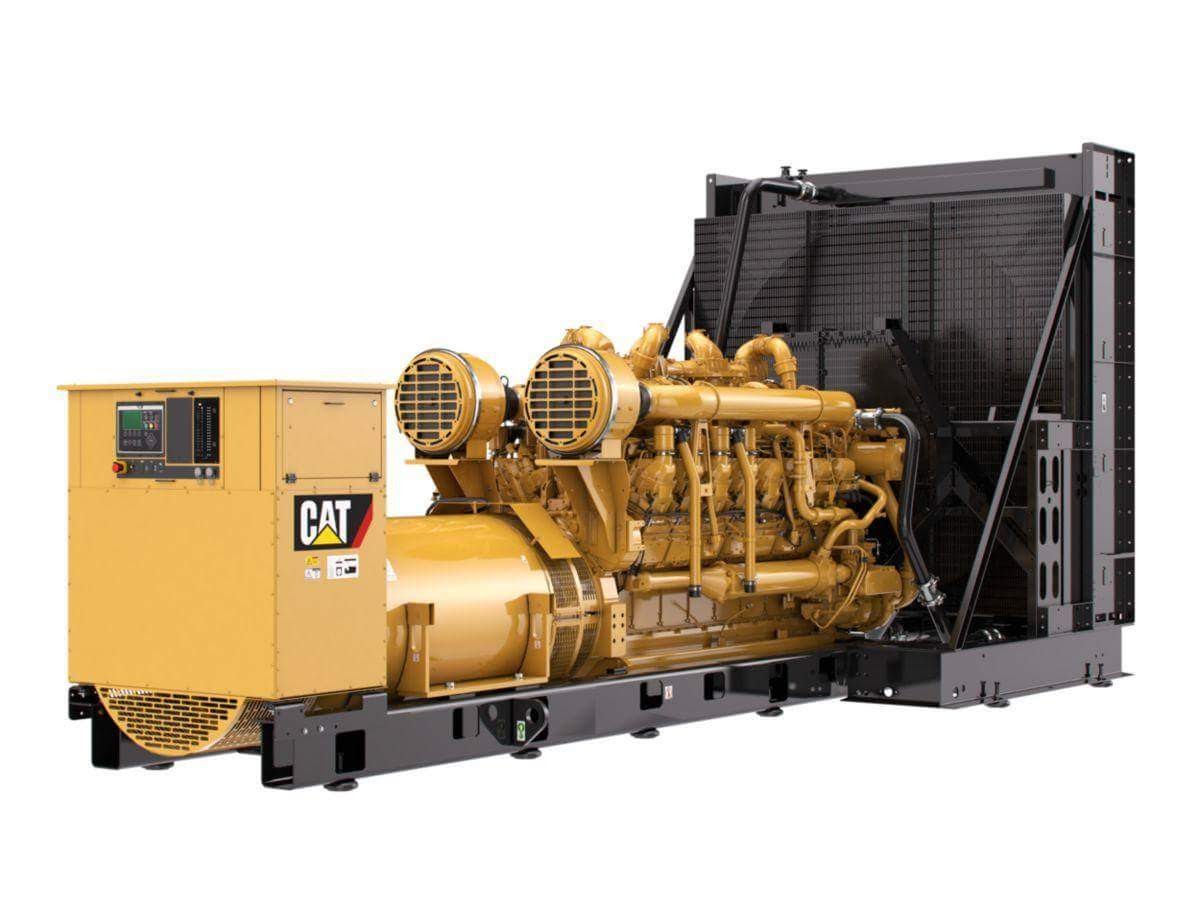
Captions are written to describe what each item actually shows, such as the type of set, the part or the stage of work, so the library is useful for learning as well as for browsing. Where a photograph shows a particular make, it illustrates that make in general and the generator work done on it, not a supply arrangement with its manufacturer.
What the collection covers
| Group | Typical items | Where it leads |
|---|
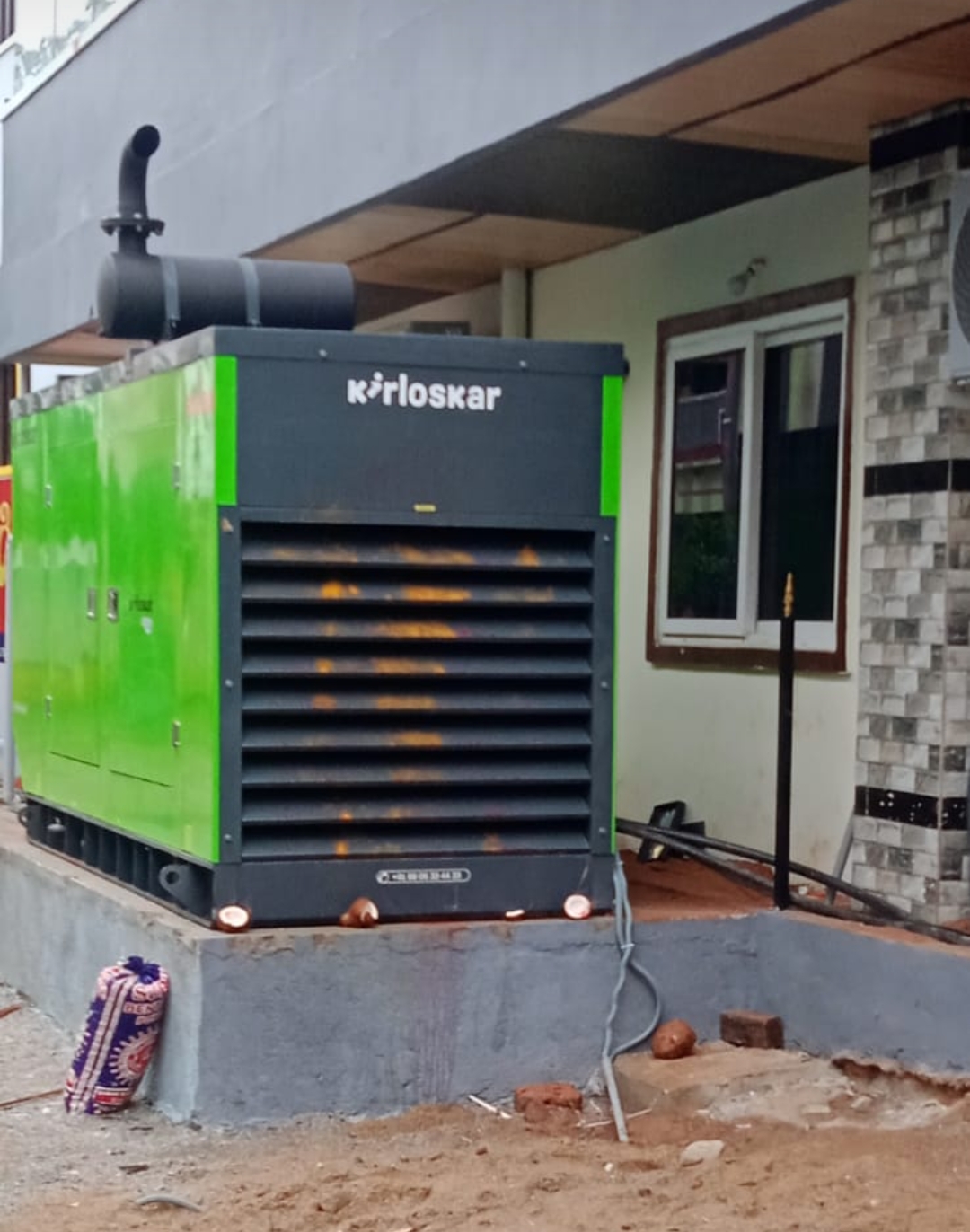
| Generator sets | Open and acoustic sets of several makes and ratings | Diesel, open and enclosed generator set pages |
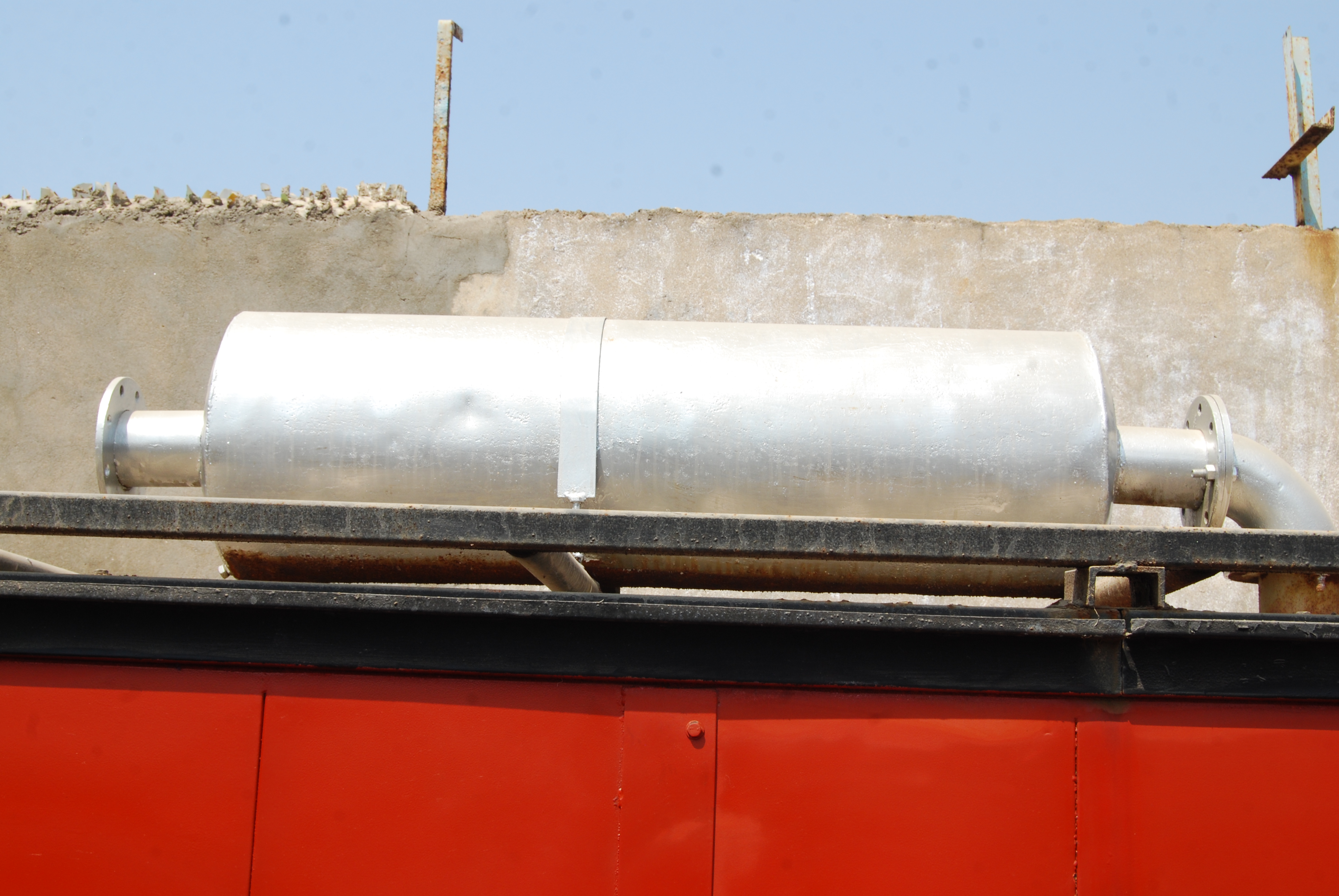
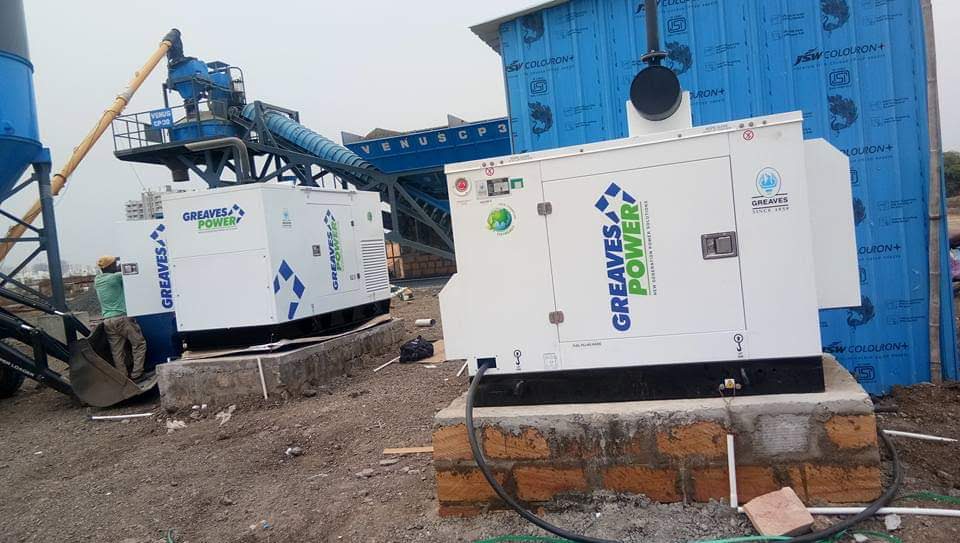
| Installations | Indoor and outdoor sets, exhaust routing and pipework | Indoor and outdoor installation guides |
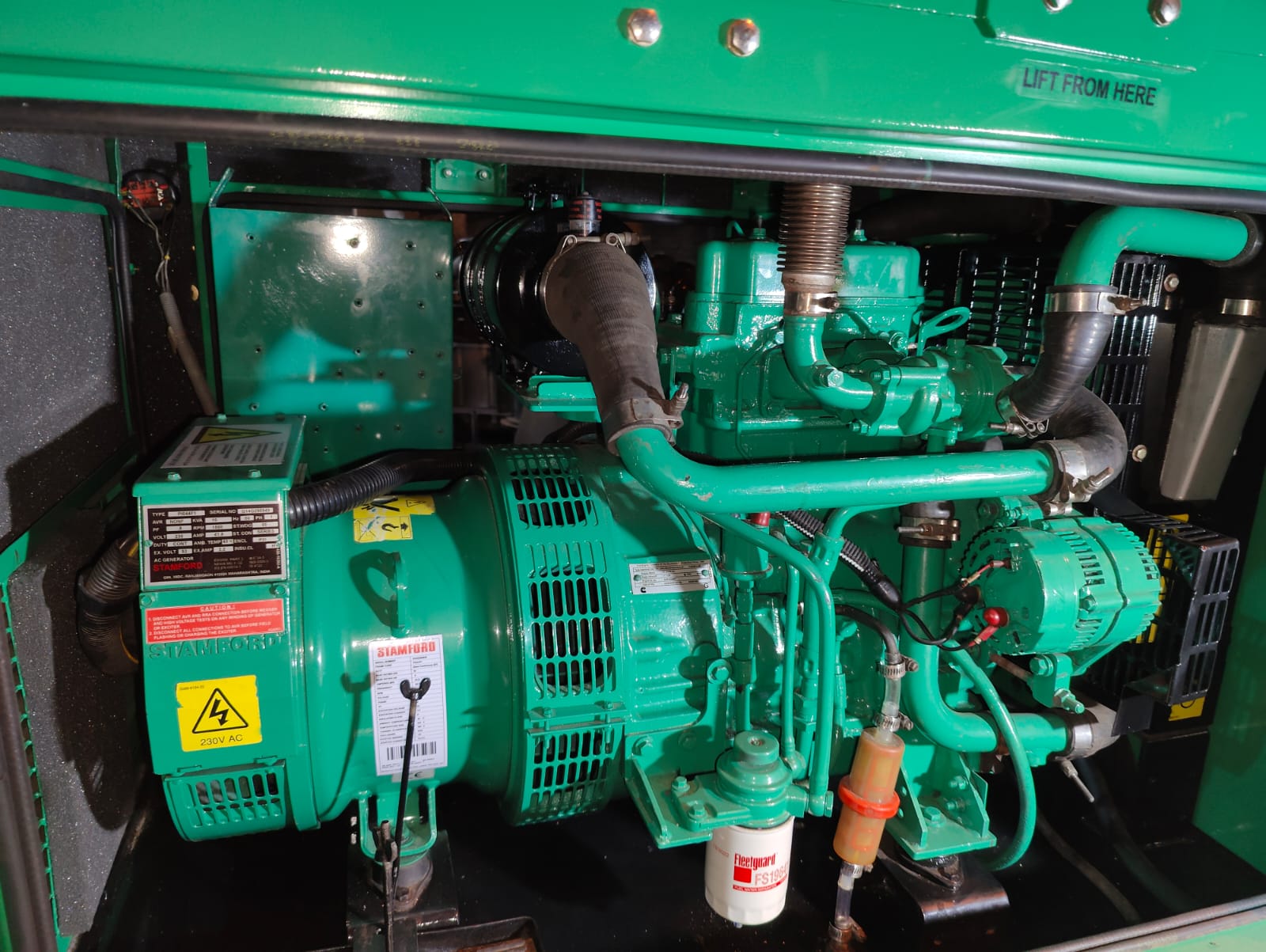
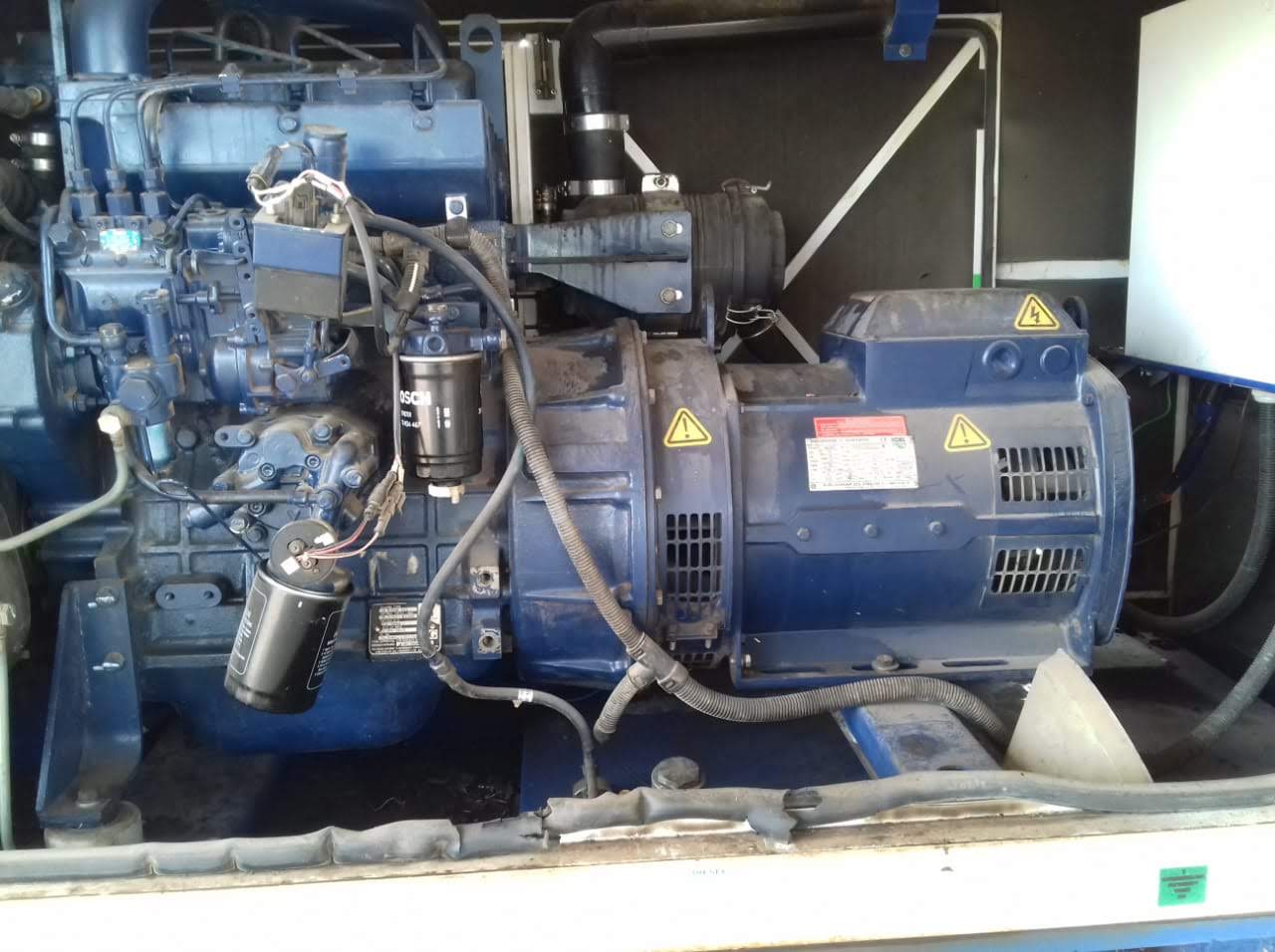
| Engines and alternators | Engine access, alternator ends and assembly views | Engine and alternator architecture pages |
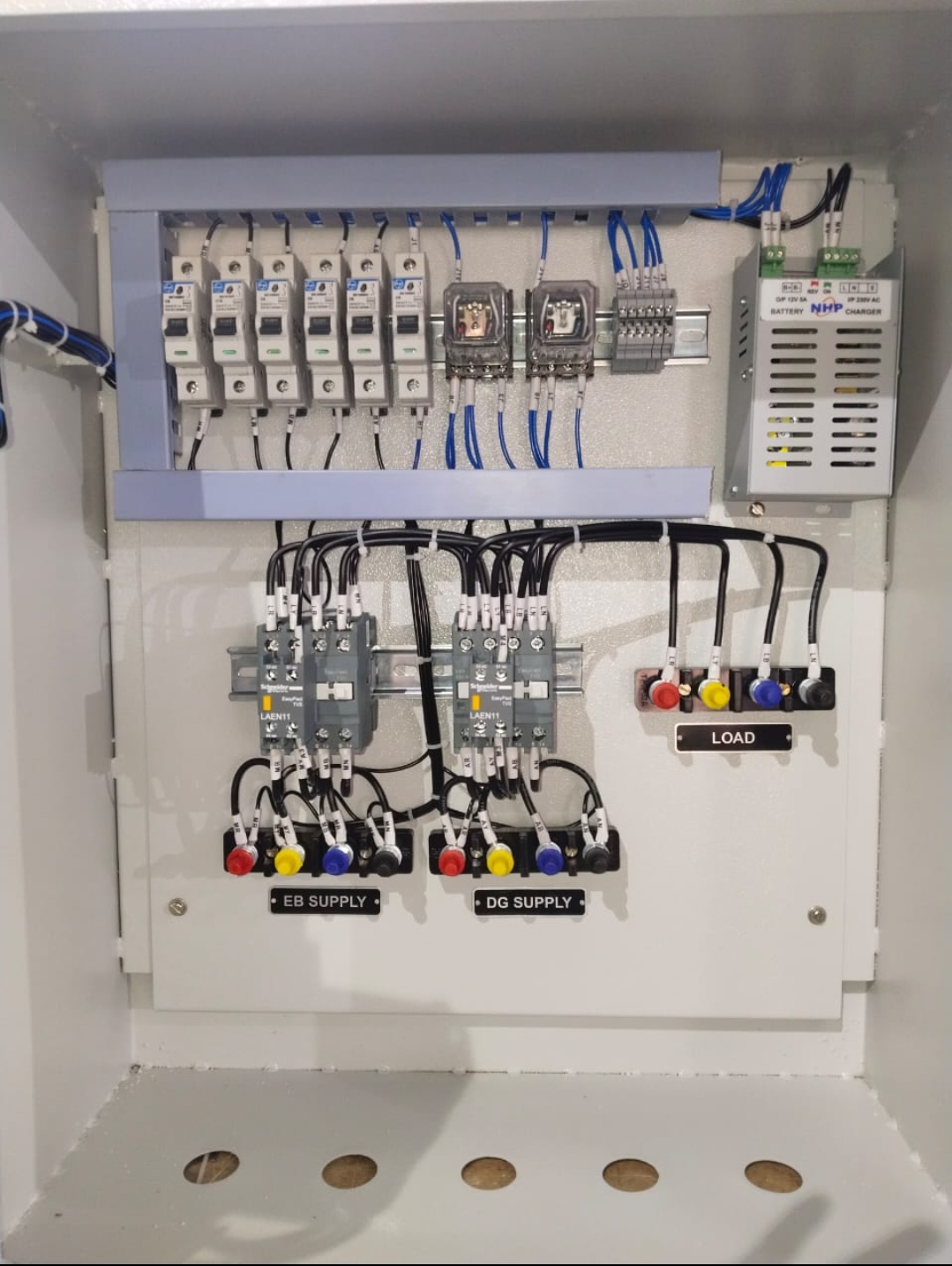
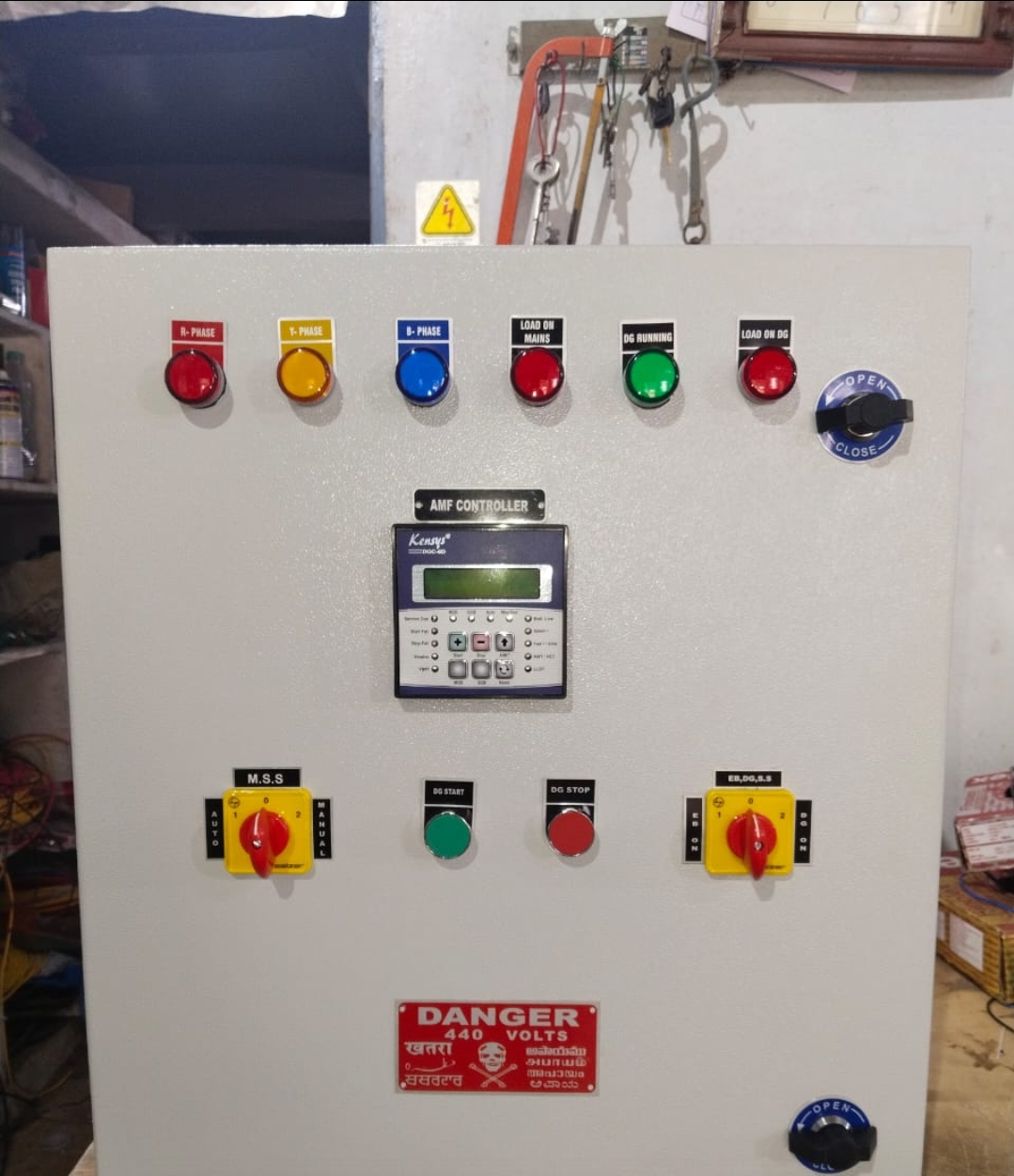
| Controls and panels | Controllers, AMF panels and switchboards | Controller, AMF panel and switchgear pages |
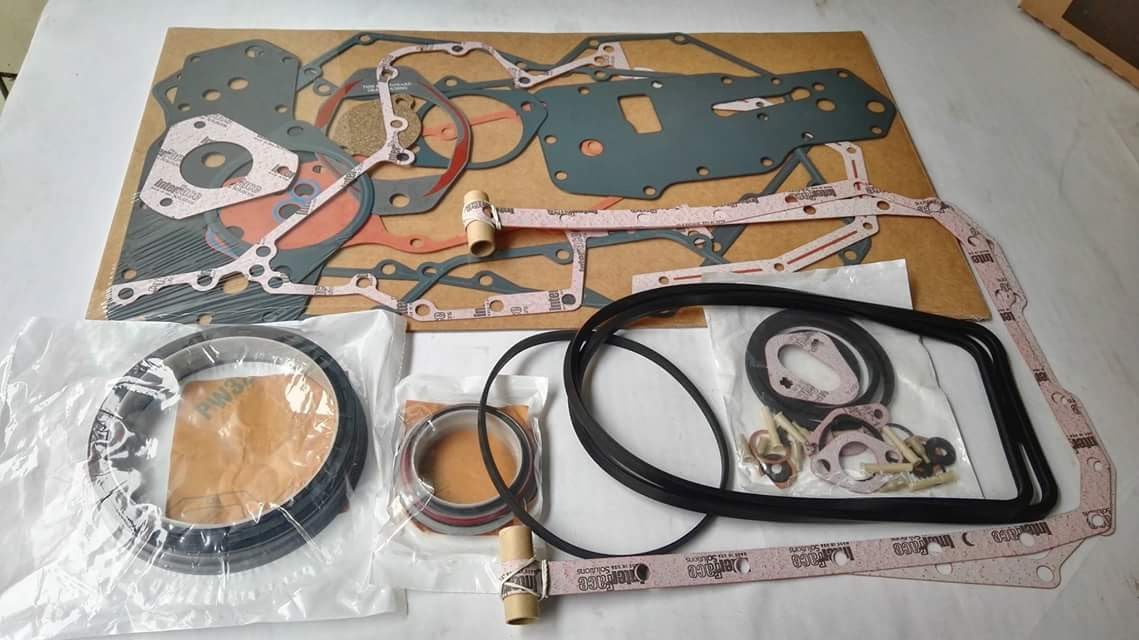
| Parts and overhaul | Filters, gaskets, pistons, liners and crankshafts | Spare parts, consumables and overhaul pages |
| Rental and site work | Mobile sets, yards and construction sites | Rental and temporary power pages |
What an engineer looks for in a generator photograph
A good photograph tells an experienced engineer a great deal before any visit. These are the details worth noticing, in the library and on your own site:
- Nameplates: the engine, alternator and set plates identify the exact build, which decides the correct parts and settings.
- Exhaust routing: a short, well-supported pipe leading hot gas away from intakes and people, with a flexible section at the engine.
- Cable entry and terminations: glands, supports and lugs sized for the cable, with no strain on the terminals.
- Earthing: visible bonding of the frame and neutral, connected to tested earth pits.
- Canopy and base condition: rust, damaged seals or a canopy door that does not close all affect noise, weather protection and safety.
- Leaks and stains: oil, coolant or fuel marks under the engine point to seals, hoses or joints that need attention.
- Clearances: enough space around the set for airflow, service access and safe removal of heavy parts.
Photographs that help when you send an enquiry
When asking about service, parts, a rental connection or a replacement, a few clear photographs answer many questions at once. The most useful set is shown below.
| Photograph | Why it helps |
|---|
| Set and engine nameplates | Identifies the build, so the right parts and procedures are chosen |
| Alternator nameplate | Confirms rating, voltage and winding details |
| Controller screen showing hours and any alarm | Shows usage and the fault being reported |
| Changeover panel, door open if safe | Shows whether the changeover is manual, AMF or ATS, and its condition |
| The set in its location, from a few metres away | Shows access, ventilation, exhaust route and space for work |
| The route for vehicles to the set | Helps plan delivery, removal or rental connection |
Photographs should be taken only where it is safe to stand, and never with panel covers removed on live equipment.
Faults that often show up in a photograph
| What the photograph shows | What it usually means | Sensible next step |
|---|
| Black soot around exhaust joints | A leaking joint or gasket | Replace the gasket before fumes reach the room or the canopy |
| White crust on battery terminals | Corrosion that weakens starting | Clean, retighten and test the battery and charger |
| Oil pooled in the base frame | A seal, hose or filter joint leaking | Trace the source and repair; check the oil level |
| Green or pink residue near hoses | Coolant escaping at a hose or joint | Replace the hose and check coolant strength |
| Cables hanging from terminals | Missing supports and strain on lugs | Support the cables and check terminations for heat |
| Blocked air openings | Restricted cooling airflow | Clear the openings so the set does not overheat on load |
Learning from the videos
The videos show equipment in operation and work in progress: sets running, enclosures and installations, servicing steps and overhaul work. They are short, so each one is best watched alongside the page it links to, where the engineering behind what you see is explained in full. Watching a set start and take load, for example, makes the guides on voltage dip, motor starting and changeover much easier to picture. Likewise, seeing pistons, liners and a crankshaft laid out during an overhaul shows why measurement and clean assembly matter so much to how long a rebuilt engine lasts.
Questions about the media library
What can I find in the Reddy Generators media library?
Photographs and videos of generator sets, acoustic enclosures, indoor and outdoor installations, engines and alternators, controllers and panels, spare parts, overhaul work and rental sites. Each item links to the pages where it belongs, so every picture leads straight to the engineering explanation behind it.
How do I search the media library?
Use the type filter to show only images or only videos, and type a make, part or topic in the search box, such as enclosure, controller, filter or panel. The results narrow as you type, and each item carries links to the related guides and service pages.
Which photographs should I send with a generator enquiry?
The set, engine and alternator nameplates, the controller screen showing hours and any alarm, the changeover panel, the set in its location from a few metres away, and the vehicle route to it. Take them only where it is safe to stand, never with live covers removed.
What can an engineer tell from a photograph of a generator?
The exact build from the nameplates, whether the exhaust, cabling and earthing are installed properly, the condition of the canopy and base, signs of oil, coolant or fuel leaks, and whether there is enough space for airflow and service access. A visit then confirms what the photograph suggests.