

In short. A diesel generator set is a chain of interacting systems, not an engine bolted to an alternator. Fuel, engine, alternator, voltage and frequency control, protection and the installation around them decide whether the set delivers usable power under the real load. Suitability depends on how the whole chain behaves during motor starts, UPS loads and long runs in Indian ambient conditions, which is why Reddy Generators specifies and commissions the complete system rather than quoting a nameplate kVA.
The four layers of a diesel generator
It helps to see a diesel set as four layers that must work together. The engine converts fuel energy into shaft power and sets the real power in kW, the fuel consumption, the transient response and the emissions class. The alternator converts shaft power into electrical output and sets the kVA, voltage, motor-starting capability and behaviour with nonlinear loads. The controller and protection layer manages starting, stopping, metering, alarms, breaker control and communication, and decides whether the set protects itself and the load correctly. The installation layer, including cooling air, exhaust, fuel storage, foundation, cables and earthing, decides whether the first three layers can perform at all. A fault in any layer shows up as an electrical problem at the load, which is why troubleshooting a generator starts by asking which layer failed.
| Layer | Main components | Decides | Typical failure seen at the load |
|---|---|---|---|
| Engine | Block, turbocharger, injection system, governor, aftertreatment | kW, fuel use, load acceptance, emissions | Frequency sag or shutdown on load step |
| Alternator | Stator, rotor, exciter, AVR, PMG where fitted | kVA, voltage regulation, starting capability, harmonic tolerance | Voltage dip, distortion, overheating |
| Controls and protection | Controller, sensors, breaker, AMF or synchronising panel | Starting, transfer, protection, monitoring | Fails to start, nuisance trips, no transfer |
| Installation | Room or enclosure, radiator airflow, exhaust, fuel tanks, cables, earthing | Whether the rating is achievable at site | High temperature shutdown, derated output, earth faults |
Engine: power, duty and emissions
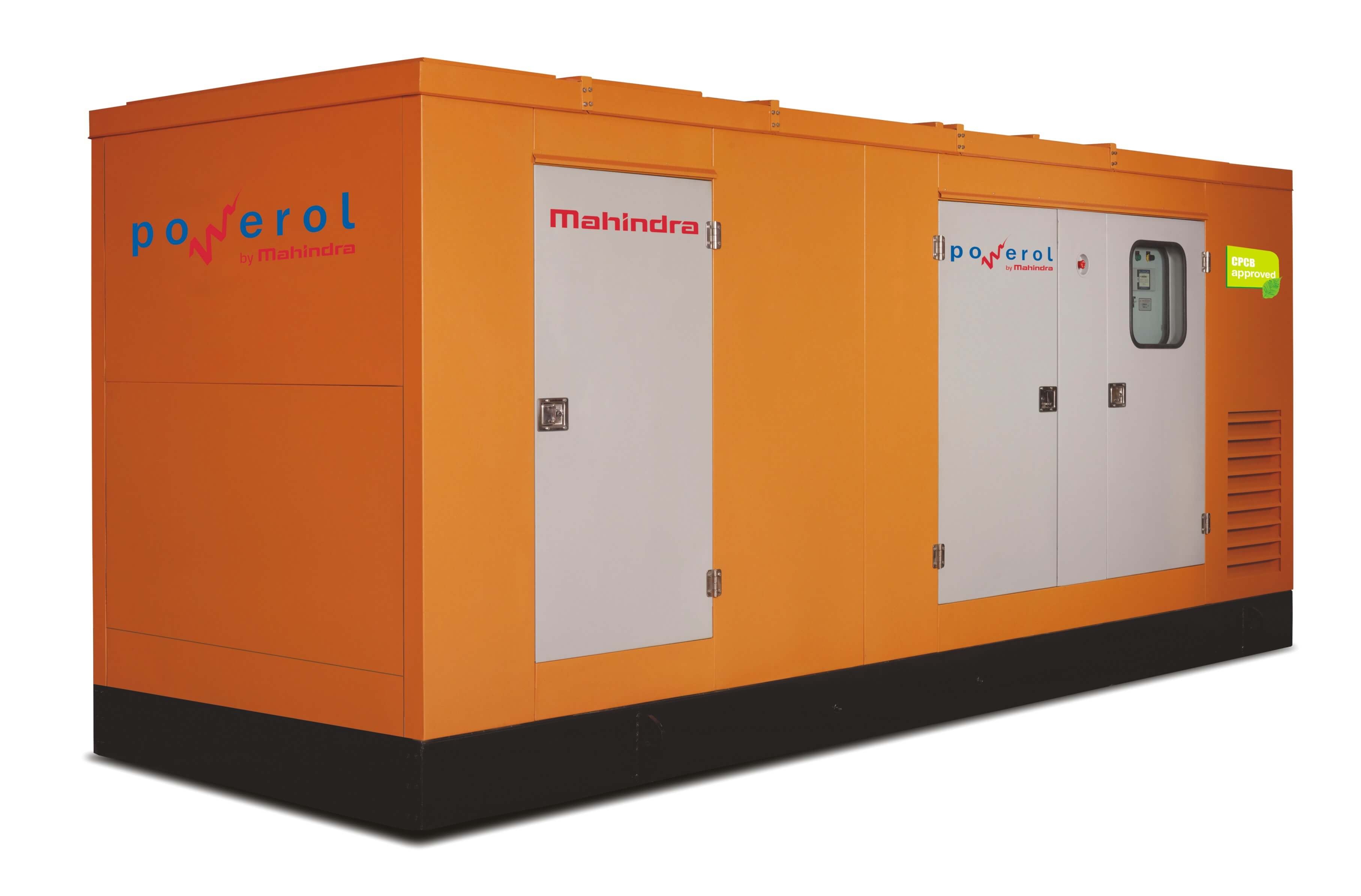
The engine is chosen for the real power the load needs, the duty under ISO 8528-1, the site ambient and altitude, the transient response the load demands and the emissions class. For India, new diesel sets up to 800 kW must meet CPCB IV+ norms, which in practice means electronically controlled common-rail injection, aftertreatment on most ratings, and a requirement for clean low-sulphur fuel. Engines in common use range from naturally aspirated three-cylinder units under 15 kVA to turbocharged and aftercooled six-cylinder and V-configuration engines above 500 kVA, from makers including Cummins, Kirloskar, Mahindra, Perkins, CAT and Greaves. Load acceptance matters as much as rating: a turbocharged engine needs a moment to build boost, so manufacturers publish the percentage of rated load the engine accepts in one step, and that figure, not the kVA, decides whether a large motor or a UPS block load can be applied at once. The engine architecture page goes deeper, and the generator systems overview places diesel beside gas and hybrid options.
Alternator: voltage, starting and nonlinear loads
The alternator sets the kVA and how the set behaves electrically. Its sub-transient reactance governs the voltage dip when a motor starts and the fault current available for protection; its excitation system, whether self-excited or with a permanent magnet generator, governs how well voltage recovers under a sudden load and whether the set can sustain fault current long enough for a breaker to trip; its winding pitch and thermal design govern how it tolerates the harmonic current from UPS rectifiers and variable-frequency drives. A set feeding a data room or a drive-heavy factory may need an alternator one frame larger than the kW alone suggests. The alternator architecture page covers these choices.
Generator kVA = Load kW ÷ Power factor
Power factor is the ratio of real power to apparent power for the load, typically 0.8 for mixed industrial load and lower for lightly loaded motors and welding. A 200 kW load at 0.8 power factor needs 250 kVA before any starting or growth allowance (illustrative); the same 200 kW at 0.7 power factor needs about 286 kVA, which is why power factor correction can reduce the generator size.
Why the load profile changes the set
A set supporting 400 kW of resistive heating is a different machine from one supporting 400 kW of motors, UPS systems and drives. The second case introduces starting current, voltage dip, frequency excursion, harmonic current and reactive demand, each of which must be checked against the engine’s load acceptance and the alternator’s transient and thermal limits. The practical checks are the largest motor and its starting method, the proportion of the load that is nonlinear, the sequence in which loads are applied after transfer, and whether any load is sensitive to frequency as well as voltage. The motor starting guide and the UPS and nonlinear load guide set out the methods.
Fuel and installation are part of the system
A diesel set without usable fuel has no autonomy, and a set in a room that cannot reject its heat has no rating. Fuel engineering covers the base tank or day tank, bulk storage sized for the required autonomy, transfer pumps, filtration and water separation, level monitoring and a refuelling plan; stored diesel in a hot climate needs periodic sampling and polishing because water and microbial sludge destroy modern injection systems. Installation engineering covers combustion and cooling air, exhaust routing within the engine’s backpressure limit, foundation and vibration isolation, cable sizing, earthing of the neutral and frame, acoustic treatment to CPCB limits and service access. Indoor sets make the building part of the generator; outdoor sets face monsoon rain and summer heat. The fuel system page and the indoor installation page cover both.
Procurement questions to settle first
Before any model is compared, settle the running demand with diversity, the largest transient load, the duty rating, the voltage and phase, indoor or outdoor installation, the autonomy in hours, whether transfer is automatic, whether the set will run in parallel with others, and which documents the authority, insurer or client will ask for. Published ratings, fuel consumption, noise and dimensions should be verified for the exact current package, because engine families change with emission norms and a figure from an older brochure may not apply to the set being offered.
Related photographs and videos
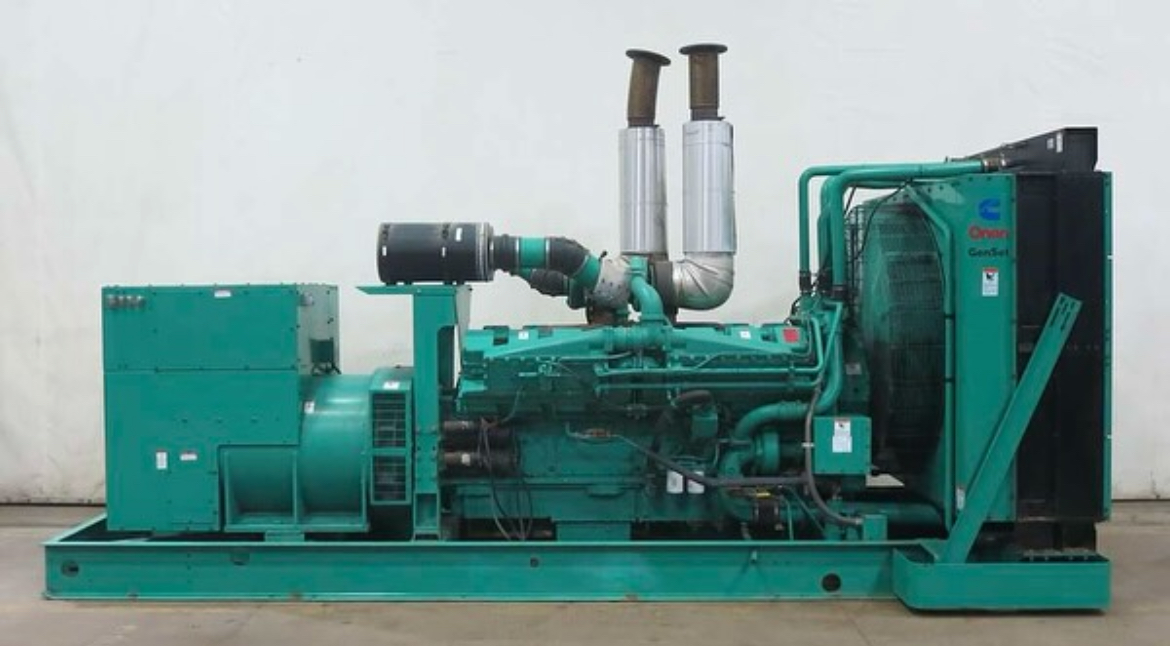
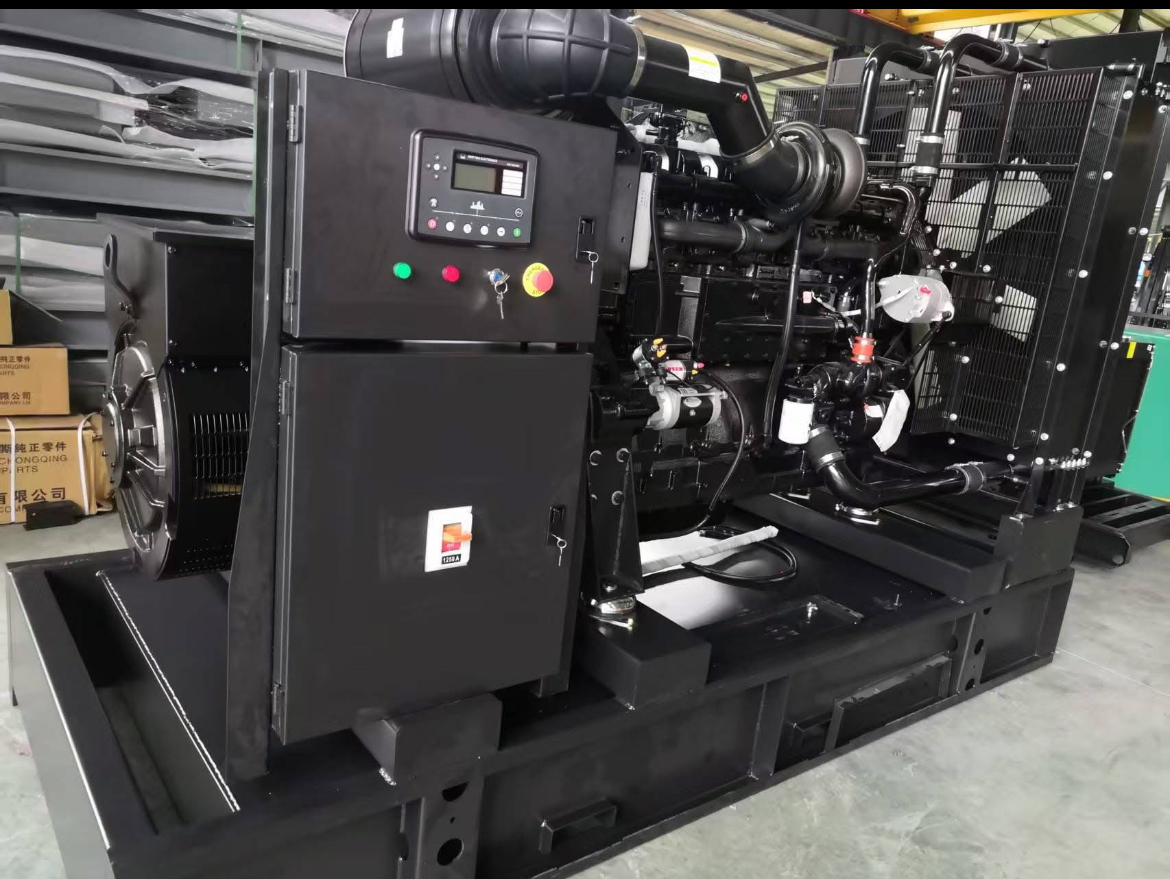
More related media (3)
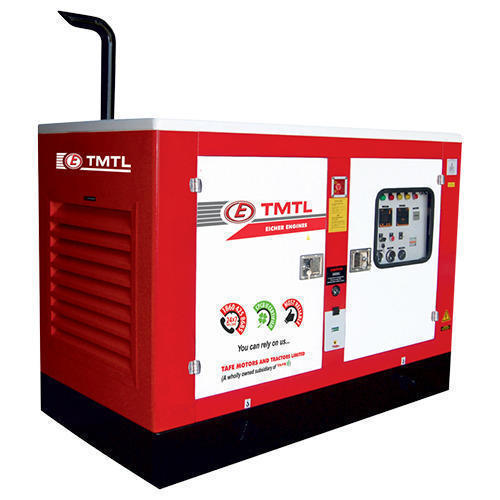
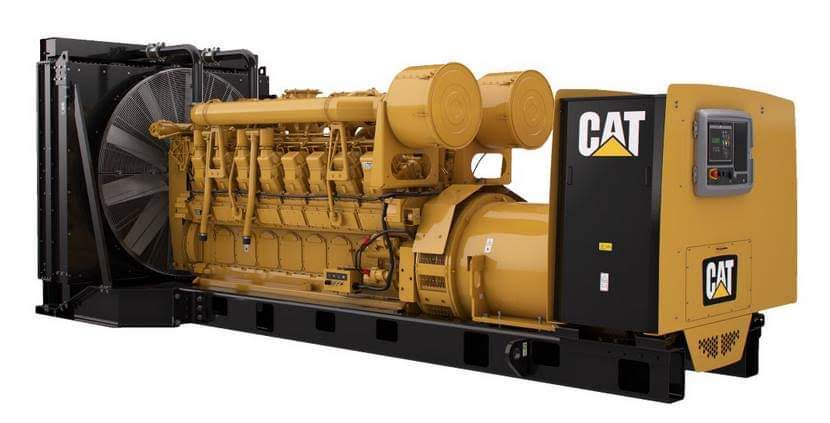
Common mistakes
- Comparing sets on kVA and price without the engine’s load acceptance and the alternator’s transient data. The cheaper set stalls on the first motor start.
- Assuming a standby-rated set can run as the main supply where grid is poor. The engine reaches overhaul hours in a fraction of its expected life.
- Ignoring fuel quality for a CPCB IV+ set. Water and dirt in the fuel damage the common-rail injectors within months.
- Leaving the room, exhaust and radiator airflow to the civil contractor. The set shuts down on high coolant temperature on the first hot afternoon.
What to send us
Send the load list or maximum demand, the largest motor with its starting method, any UPS or drive content, the expected running hours and whether the set is indoor or outdoor. Include the site location for ambient and altitude, the required autonomy in hours and the documents your project needs, and for a replacement a photograph of the existing nameplate. Send your diesel generator requirement.
Questions engineers ask
How much diesel does a generator consume per hour?
Modern sets consume roughly 0.2 to 0.25 litres per kWh at 70 to 100 per cent load, so a 125 kVA set at 75 kW uses about 16 to 19 litres an hour and a 500 kVA set at 300 kW about 65 to 75 litres an hour (illustrative). Consumption per kWh rises steeply at light load.
Why does a generator trip when a motor starts even though the kVA is enough?
Because the start draws six to seven times the motor’s running current for a second or two and the alternator cannot hold voltage, or the turbocharged engine cannot accept the load step. The fix is a larger alternator frame, a softer starting method or staged starting, not simply more kVA.
What does CPCB IV+ change about a diesel generator?
CPCB IV+ sets up to 800 kW use electronic common-rail injection and, on most ratings, exhaust aftertreatment to meet the emission limits. They need clean low-sulphur diesel, more careful fuel handling and a controller that monitors the aftertreatment, and they run cleaner and quieter than earlier sets.
How long does a diesel generator last?
A well-maintained set at standby duty commonly runs 20 to 30 years with periodic overhauls. Engine life is counted in hours rather than years, with top overhauls typically at several thousand hours and major overhauls at 15,000 to 30,000 hours depending on the engine and the load profile; the manufacturer’s figures apply.
Generators by rating
- Under 15 kVA generators
- 15–50 kVA generators
- 50–125 kVA generators
- 125–250 kVA generators
- 250–500 kVA generators
- 500–1000 kVA generators
- 1–2 MVA generators
- 2 MVA and above generators
Technical content reviewed by Srinivas Reddy, Managing Partner, Reddy Generators. Last updated 19 October 2026.