

In short. Generator filters protect the most expensive parts of the engine from the cheapest form of damage: dirt and water. Oil, fuel, air and coolant filters are specified by the engine build, not by thread size or appearance, because micron rating, flow, bypass valve, anti-drain valve and water separation all differ between filters that look identical. Verify any cross-reference against the engine, order the complete service set, and read the old filters for evidence.
Four filter families, four jobs
A diesel generator normally carries several filters, each protecting a different system. Lubricating oil filters keep wear particles and soot away from bearings and the turbocharger. Fuel filters, usually a primary water-separating stage and a secondary fine stage, protect the injection equipment, which on a common-rail engine has clearances of a few microns. Air cleaners stop dust from reaching the liners and rings. Coolant filters, fitted on some larger engines, release corrosion inhibitor and trap scale. Some installations add a crankcase ventilation filter and a bulk fuel filter on the day-tank transfer line.
| Filter | What it protects | Key specification points | Consequence of the wrong filter |
|---|---|---|---|
| Lube oil (full flow, sometimes bypass) | Bearings, turbo, valve train | Efficiency at stated particle size, bypass valve setting, anti-drain-back valve, flow capacity, thread and gasket | Oil starvation at start, unfiltered oil in bypass, bearing wear |
| Fuel primary and water separator | Lift pump and secondary filter | Water separation efficiency, coarse micron rating, bowl and drain type, heater where fitted | Water reaching the pump and injectors |
| Fuel secondary | Injection pump and injectors | Fine micron rating specified by the injection system, flow capacity | Abrasive wear and seizure of high-pressure parts |
| Air primary and safety element | Turbo compressor, liners, rings | Dust capacity, efficiency, seal design, size | Dust ingress and rapid cylinder wear, or high restriction and smoke |
| Coolant | Liners, pump, head | Additive charge matched to coolant type | Corrosion, cavitation, scale |
Why thread size and appearance are not enough
A large number of spin-on filters share the same thread and gasket diameter. They do not share the same internals. Two oil filters of identical size may have different bypass valve opening pressures; fitting one with a lower setting lets unfiltered oil bypass the media for much of the time, while one with no anti-drain-back valve lets the filter empty while the set stands so that the bearings run dry for several seconds at every start. That matters on a standby set that may start fifty times a year from cold. Fuel filters differ even more: a secondary filter suitable for an older mechanical pump may be far too coarse for a common-rail system, and fitting it causes injector wear that no later filter change will undo. Air elements of similar dimensions differ in media area and dust capacity, and a poorly fitting seal lets dust bypass the element entirely.
The filter is therefore selected from the engine model, serial and build code, starting with the reference currently specified for that engine. The background on fuel-system cleanliness is in fuel-system parts, and on the oil circuit in lubrication-system parts.
Cross-references: useful, but verify
Filter manufacturers publish cross-reference tables linking their products to engine makers’ part numbers, and a verified cross-reference to a reputable filter brand is a perfectly sound way to buy filters. The problems arise when a cross-reference is used beyond what it says. A table may list a filter as replacing a part number for one engine build when the same number was superseded for a later build with a different specification. A dealer’s cross-reference may be based on dimensions only. An old cross-reference written on a workshop wall may have been right for the set that used to stand there. Before relying on a cross-reference, confirm the original reference for the specific engine build, confirm the cross-reference publisher’s own data shows it for that reference, and compare the key specification points from the table above. We keep that verification on the job record so the next order is a lookup rather than a guess. The process is described in parts compatibility verification.
Service kits and intervals
For planned maintenance it is usually better to order the complete set of filters and service items for the interval than to order one filter at a time. A typical 250 or 500 hour service set might include the oil filter, fuel primary and secondary filters, the air element where the restriction indicator calls for it, the coolant filter where fitted, and the seals and O-rings that the filter housings need. Whether belts, the safety air element or the crankcase breather are included depends on the interval. There is no universal service kit: the content follows the engine’s maintenance schedule, which the manufacturer publishes in hours and calendar months, and the site’s conditions. Dusty sites need air elements more often; sites with poor fuel need fuel filters more often. The intervals themselves are covered in our preventive maintenance guidance.
Storage and handling
Filters are clean parts and should stay clean until fitted. Keep them in their sealed packaging in a dry store, rotate stock so the oldest is used first, and do not pre-fill fuel filters on common-rail engines with unfiltered fuel from an open container; prime through the system as the manufacturer describes. Air elements damaged in handling, with a dented end cap or a creased pleat, should not be fitted.
Reading the old filter
A removed filter is evidence. Cutting open an oil filter at a major service and inspecting the media shows bearing metal, aluminium from pistons or gasket material before any noise or pressure change. A fuel filter full of black slime indicates microbial growth in the tank; water in the primary bowl at every service indicates a tank that needs cleaning; a fuel filter that blocks within days of fitting indicates a contamination event. An air element with dust on the clean side indicates a seal failure or a damaged element, and the intake downstream should be inspected. Record what is found, with a photograph, in the service file.
Related photographs and videos
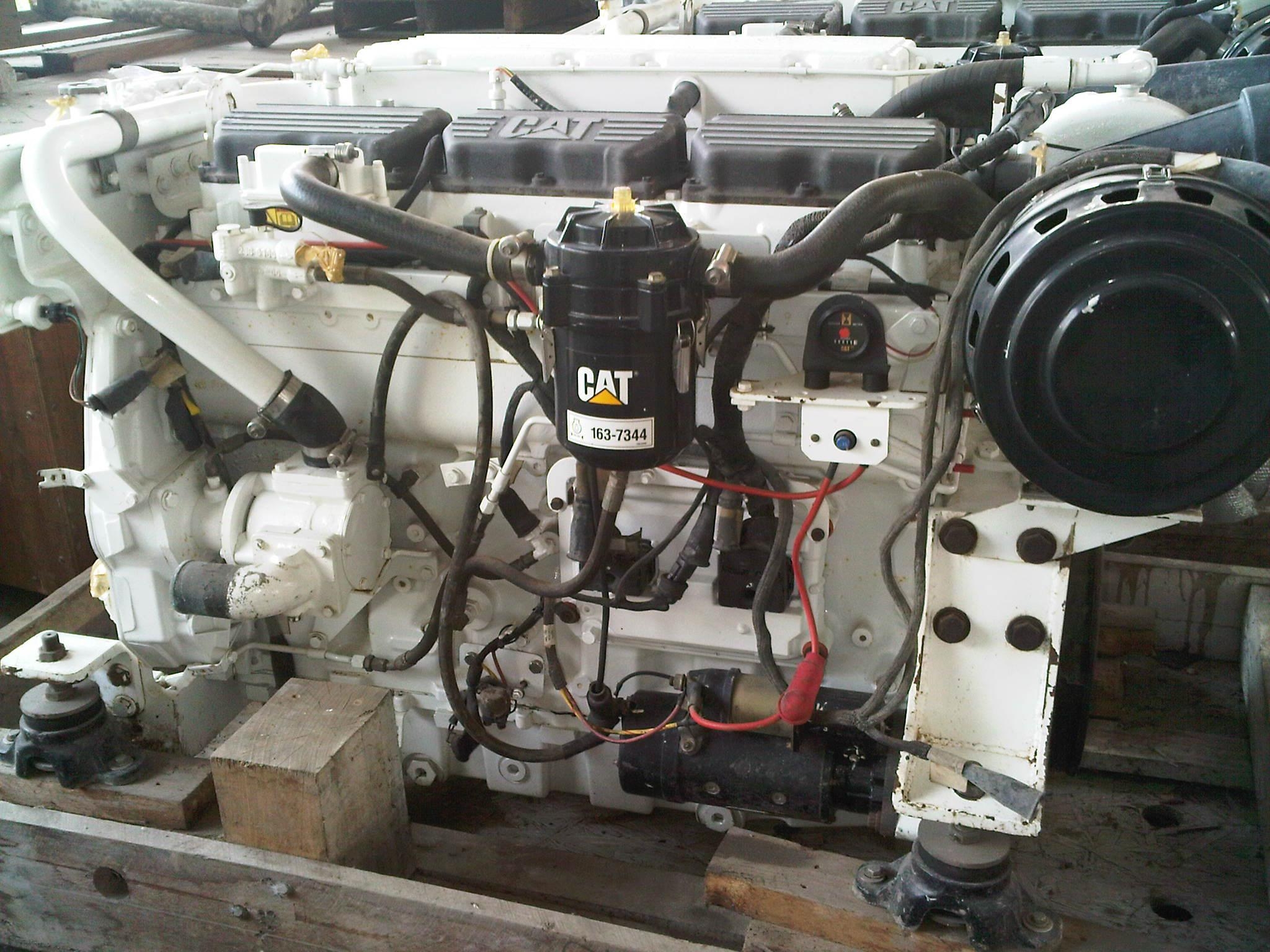
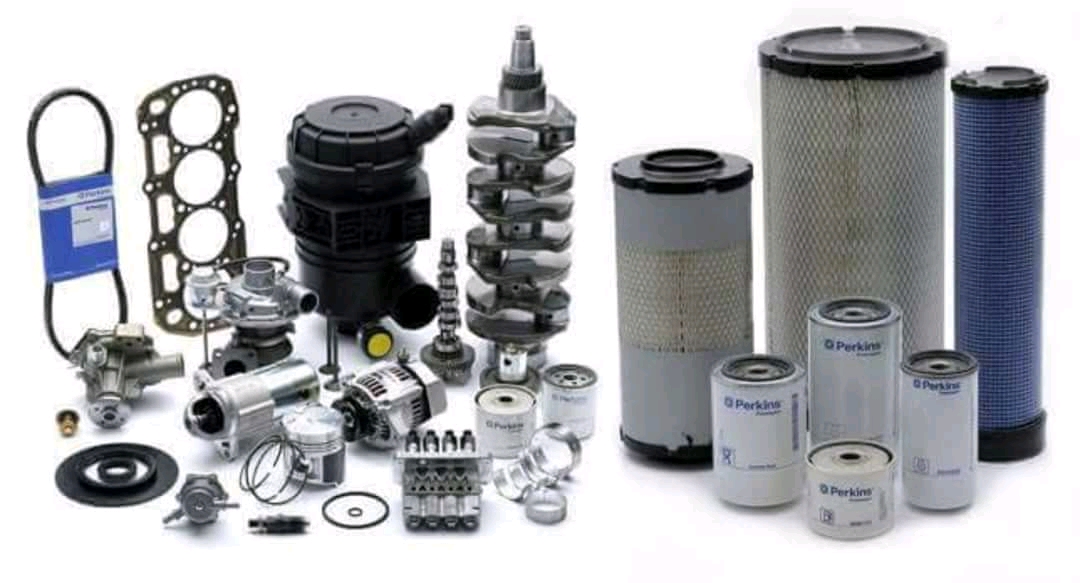
Common mistakes
- Choosing an oil filter by thread size from a shop shelf; it lacks the anti-drain-back valve or has the wrong bypass setting and the bearings run dry at every cold start.
- Fitting a coarse fuel filter to a common-rail engine; fine abrasive particles reach the injectors and they fail within a few hundred hours.
- Changing air elements by the calendar in a dusty site; the element blocks between changes, power falls and smoke rises, or a damaged element goes unnoticed.
- Trusting an old cross-reference without checking the engine build; a superseded filter with a different specification is fitted for years.
- Throwing away used filters without looking at them; early evidence of bearing wear, dust ingress or fuel contamination is lost.
What to send us
Send the engine plate photograph with serial and build code, the current filter part numbers printed on the filters or in the service record, the hour-meter reading and the service interval you are preparing for, and a note of the site conditions such as dust or fuel quality problems. If you want a cross-reference to a different brand, say so and we will verify it for your engine. Use the spare parts enquiry to request filters or a complete service set.
Questions engineers ask
Can I use a cheaper filter brand instead of the engine maker’s filter?
Yes, if the filter is from a reputable manufacturer and its cross-reference is verified for your engine build, with matching efficiency, bypass and anti-drain specifications. Unknown filters sold on price alone are a poor saving given what they protect.
How do I know when to change the air filter?
Use the restriction indicator on the air cleaner housing and change the element when it reaches the engine’s limit, or at the scheduled interval if that comes first. Do not tap or blow out paper elements and refit them, because that damages the media.
Why does my fuel filter block so quickly?
Rapid blocking indicates contaminated fuel, usually water and microbial sludge from the storage tank or rust from a corroded tank. Clean the tank and polish the fuel; changing filters more often only treats the symptom.
Should I change filters on a standby set that has barely run?
Yes, at the calendar interval in the manufacturer’s schedule. Oil and fuel age even when the engine is idle, and fuel filters on standby sets often collect water during long standing periods.
What is included in a generator service kit?
It depends on the engine and the interval, but typically the oil filter, fuel primary and secondary filters, the air element where due, the coolant filter if fitted, and the seals for the filter housings. Always ask for the itemised list rather than assuming.
Technical content reviewed by Srinivas Reddy, Managing Partner, Reddy Generators. Last updated 19 October 2026.