
In short: Reddy Generators supplies, installs and commissions diesel and gas generator systems in Hyderabad and Secunderabad. Start with your load, site and fuel preference, and we will size a solution to match.
Do Not Begin With a Model Number. Begin With the Power Requirement.
Generator selection is often reduced to one question:
How many kVA do you need?
Related photographs and videos
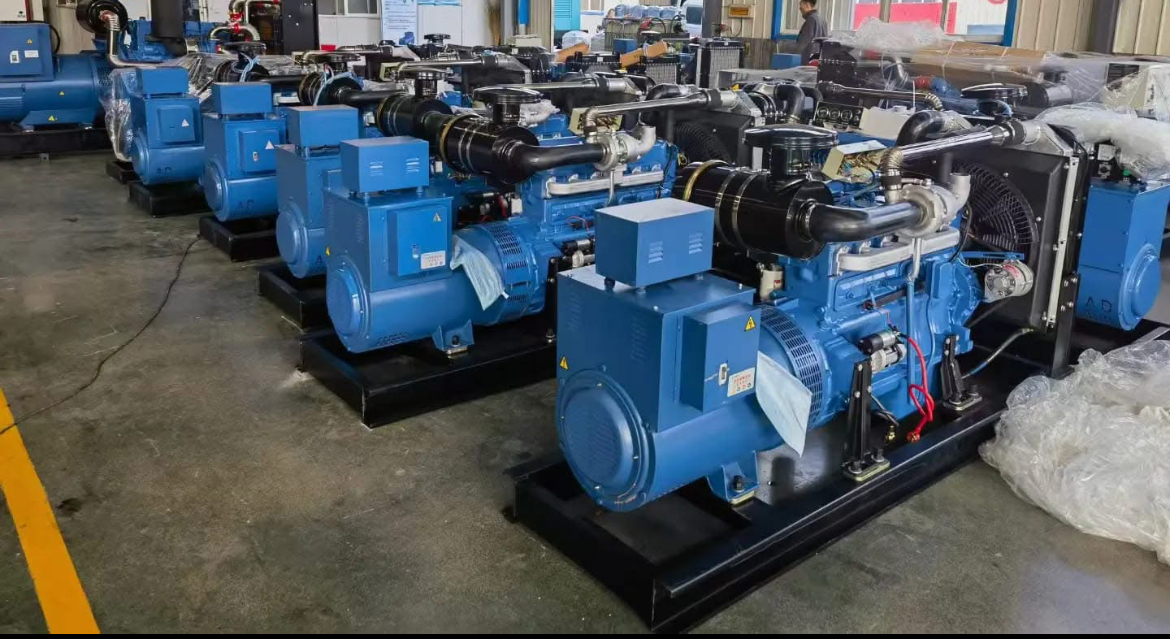
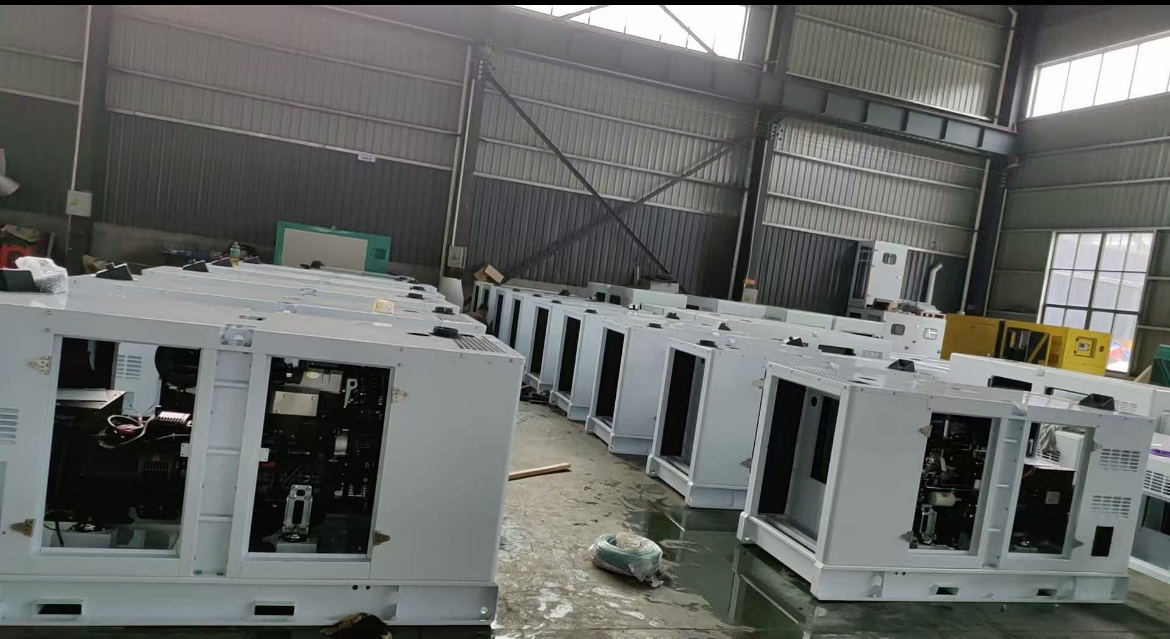
More related media (2)
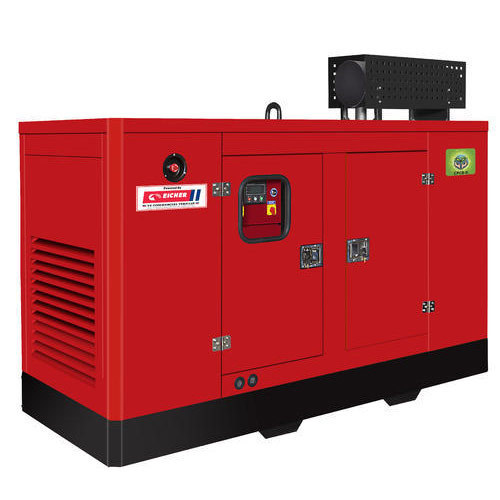
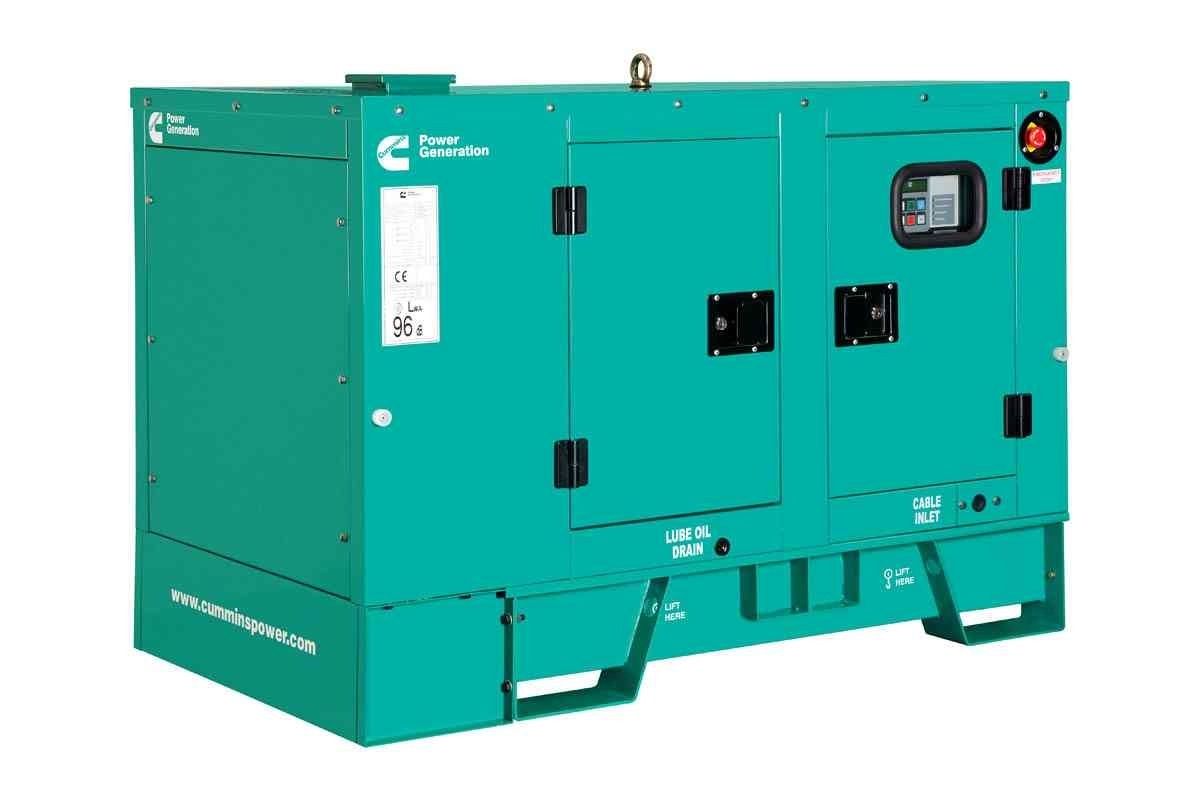
That is rarely enough.
Two facilities can require the same apparent power while demanding very different generator architectures because their:
- largest motor differs
- starting method differs
- power factor differs
- load sequence differs
- operating duty differs
- altitude and ambient temperature differ
- continuity consequence differs.
The Reddy Generators product architecture therefore allows customers to discover power systems through several engineering dimensions rather than through a single catalogue list.
SELECT BY CONFIGURATION
For conventional standby, prime and project-power requirements.
For fixed installations where the generating plant forms part of the permanent electrical infrastructure.
For relocatable requirements where mobility becomes part of the operating design.
Open Generator Sets
For engineered generator rooms or protected installations.
Acoustic / Enclosed Generators
Where packaged environmental and acoustic control forms part of the configuration.
Containerised Generator Systems →
For project-engineered packaged power requiring transportability, protection or large-system integration.
SELECT BY POWER BAND
Generator requirements can be discussed in power bands such as:
Under 15 kVA
15–50 kVA
50–125 kVA
125–250 kVA
250–500 kVA
500–1000 kVA
1–2 MVA
2 MVA+
These bands help customers navigate.
They are not a declaration that every rating, brand or configuration is owned, stocked or immediately available.
SELECT BY DUTY
A generator can be engineered around:
Standby Power
Normal utility supply exists; generator operation is primarily associated with defined outage events.
Prime Power
The generator can form the principal power source for extended operation under the applicable manufacturer rating definition.
Continuous / Base-Load Applications
Requires model-specific verification against the manufacturer’s relevant duty definition.
The rating name must always be read together with the manufacturer’s actual operating conditions.
SELECT BY ELECTRICAL SYSTEM
Power-system compatibility may require selection by:
- 50 Hz / 60 Hz
- low voltage / medium voltage
- single phase / three phase
- system voltage
- load power factor
- fault level
- protection architecture.
SELECT BY INSTALLATION
Indoor
The building becomes part of the generator system.
Outdoor
Environmental protection, access, acoustic behaviour and site exposure become more significant.
SELECT BY SYSTEM ARCHITECTURE
A complete generator package contains much more than an engine and alternator.
Explore:
Engine
Alternator
Controller
Cooling System
Fuel System
Exhaust System
Acoustic Enclosure
THE GENERATOR SELECTION CHAIN
APPLICATION
- CRITICAL LOAD
- RUNNING DEMAND
- STARTING / TRANSIENT DEMAND
- DUTY
- SITE
- ELECTRICAL SYSTEM
- GENERATOR ARCHITECTURE
- CONTROLS
- VERIFICATION
Only after that sequence should final model selection occur.
DATA DISCIPLINE
When comparing information, distinguish:
VERIFIED MODEL DATA
Current technical information for an identified package.
REPRESENTATIVE INFORMATION
Family-level or illustrative data that does not define a final machine.
APPLICATION-DEPENDENT
Technical outcome depends on the project.
PENDING VERIFICATION
Current equipment or supplier information is still required.
The goal is not to find the biggest generator.
The goal is to find the generator architecture that the operation can actually use.
Engineering intent
Generator Systems should be evaluated as part of the complete power system rather than as an isolated catalogue item. Operating duty, connected load, interfaces, protection, controls, installation conditions, testing requirements and lifecycle consequences determine whether the arrangement is appropriate.
Engineering considerations
Reddy Generators’ historical brand-reference library covers a wide range of established generator and engine names. depending on the particular brand, model and confirmed requirement. SELECT THE GENERATOR BY THE APPLICATION — NOT ONLY THE kVA Two facilities with the same connected kW may require very different generator systems. A generator must respond when significant loads are connected suddenly. UPS systems, VFDs and electronic loads can influence harmonics and alternator/system behaviour. Mission-critical facilities may need multiple sources or N+1-type architectures. Standby and prime applications impose different operating expectations. Temperature, dust, altitude, weather exposure and ventilation can affect system design. A system designed only for today’s demand may restrict future expansion.
Selection and design considerations
Fuel infrastructure should follow the requirements of the specific project and equipment. Mechanical, electrical and fuel layouts should be coordinated during design—not corrected after the generator is positioned. The open generator still forms part of the complete electrical network. Large open generator rooms can involve substantial conductor sizes and multiple parallel cable runs. The generator-room system requires an engineered earthing arrangement. The appropriate configuration depends on the complete electrical architecture. No single earth-resistance number should be used as a substitute for system design. Where the open generator serves standby duty, it may integrate with automatic mains-failure and transfer systems. Testing should verify the complete operating sequence according to the actual system design.
Integration and protection considerations
kW TELLS YOU HOW MUCH REAL POWER IS BEING USED. kVA TELLS YOU HOW MUCH APPARENT POWER THE AC SYSTEM MUST CARRY. POWER FACTOR CONNECTS THEM. The user should choose exactly one required result: Calculated apparent power = 500 kVA. This does not automatically mean a 500 kVA generator is the correct generator selection. This provides the engineering context for the calculator. This is particularly important for equipment such as: whose electrical loading cannot always be assessed from kW alone. So the same real-power requirement can impose materially different apparent-power requirements.
Testing, commissioning and verification
Retrofitted Emission Control Devices for Diesel Generator Sets DO NOT SELECT AN RECD BY GENERATOR kVA ALONE. A Retrofitted Emission Control Device—RECD—is an exhaust-emission-control system engineered for retrofit to an existing generating-set engine application under an applicable certification and regulatory framework. A DG set may have the right nominal capacity yet still be unsuitable for a particular RECD because the relevant engineering variables include: engine family • engine model • certification basis • exhaust mass flow • exhaust temperature • permissible backpressure • operating load • duty cycle • exhaust geometry • physical installation • thermal environment • monitoring • maintenance requirements.
Direct answer
Do Not Begin With a Model Number. Begin With the Power Requirement.
The practical decision for Generator Systems should be based on verified load, equipment, interface and site information. Where equipment-specific data, regulatory applicability or a project study is required, this guidance does not replace that verification.