

In short. A diesel generator engine converts fuel into shaft torque at a fixed 1,500 rpm for 50 Hz output. Its architecture decides how the set responds to load changes, its fuel consumption, its service intervals and which emission norm it meets. The systems that matter are air intake, fuel injection and governing, cooling, lubrication, exhaust and starting. Two engines of the same kW can behave very differently on a block load; choose the engine for the duty.
Why the engine is the set’s dynamic character
The alternator decides the voltage; the engine decides the frequency. When a motor starts or a chiller reloads, the alternator demands more torque immediately, the engine speed falls, the governor senses the drop and increases fuelling, and the turbocharger must spin up before the extra fuel can be burnt cleanly. The frequency dips, recovers and settles, and the depth and duration of that dip are set by the engine’s inertia, its aspiration and its governor. A naturally aspirated engine with a large flywheel accepts a big step with a shallow dip; a highly turbocharged engine of the same rating, tuned for economy and emissions, needs a moment for boost to build and dips further. The frequency dip page covers the limits that loads tolerate and how the engine’s step-load capability is read from manufacturer data.
The systems and what each decides
| System | What it does | What it decides for the owner |
|---|---|---|
| Air intake and turbocharging | Supplies and compresses combustion air; aftercooling lowers its temperature | Power density, altitude and temperature derating, block-load acceptance |
| Fuel injection | Meters and atomises diesel; mechanical inline pump or electronic common rail | Fuel consumption, emissions class, sensitivity to fuel quality |
| Governor | Holds speed at 1,500 rpm against changing load | Frequency stability, paralleling capability, droop or isochronous operation |
| Cooling | Radiator, water pump, thermostat, fan, often a separate aftercooler circuit | Ambient rating, installation airflow, failure mode under load |
| Lubrication | Oil pump, cooler, filters, sump | Service interval, oil capacity, tolerance of long idle periods |
| Exhaust and aftertreatment | Manifold, turbine, silencer and, on CPCB IV+ sets, catalyst and particulate filter | Back pressure limit, stack design, regeneration behaviour at light load |
| Starting and charging | 12 V or 24 V starter, batteries, charging alternator and mains charger | Readiness after long idle, crank capacity in cold or hot conditions |
| Engine control | Mechanical linkage or an electronic control module with sensors | Diagnostics, protection, integration with the set controller |
Aspiration: naturally aspirated, turbocharged, aftercooled
A naturally aspirated engine draws air at atmospheric pressure and is limited in power by how much air fits in each cylinder. It is simple, tolerant and responds instantly to a step load, which is why small sets and many older machines in the 15 to 125 kVA range used it. A turbocharger uses exhaust energy to compress the intake air and allows the same displacement to produce 50 to 100 percent more power; an aftercooler then cools the compressed air so that more of it fits and combustion temperatures fall. Almost every modern set above about 30 kVA is turbocharged and aftercooled, because emissions norms and fuel economy demand it. The cost is turbo lag on a sudden load, greater sensitivity to exhaust back pressure and inlet restriction, and sharper derating at high ambient temperature, since hot intake air is less dense before it ever reaches the compressor. The turbocharging and aftercooling page explains the trade-offs in depth.
Fuel systems: mechanical or electronic
A mechanical inline or rotary injection pump driven from the engine, with a mechanical or electronic governor acting on its rack, powered Indian gensets for decades. It tolerates variable fuel, can be serviced in any town and gives a stable if not precise frequency. An electronic common rail system holds fuel at very high pressure in a rail and opens each injector electrically under control of the engine control module, which times and shapes several injections per cycle. The result is lower fuel consumption, quieter combustion, far lower emissions and precise speed control, and it is the practical route to CPCB IV+ compliance. The price is sensitivity: common rail systems need clean, dry fuel of the right lubricity, and water or dirt that a mechanical pump would shrug off destroys an injector within hours. Fuel filtration and storage discipline become part of the engine specification. The mechanical versus electronic fuel page sets out when each is the better choice.
Emissions and the CPCB IV+ generation
New diesel gensets up to 800 kW sold in India must meet the CPCB IV+ norms, and that single rule has changed engine architecture in the Indian market. Meeting the limits requires electronic fuel injection, cooled exhaust gas recirculation or similar in-cylinder measures, and on most engines a diesel oxidation catalyst and a diesel particulate filter in the exhaust. These components affect the installation: back pressure limits are tighter, the aftertreatment needs exhaust temperature to function, and long running at light load can load the particulate filter and trigger a regeneration cycle. Owners of older sets face a separate question of retrofit emission control devices or replacement. The India genset emissions page summarises the norms and applicability dates. For the fundamentals of the diesel cycle itself, see diesel engine fundamentals.
What the engine means for service and parts
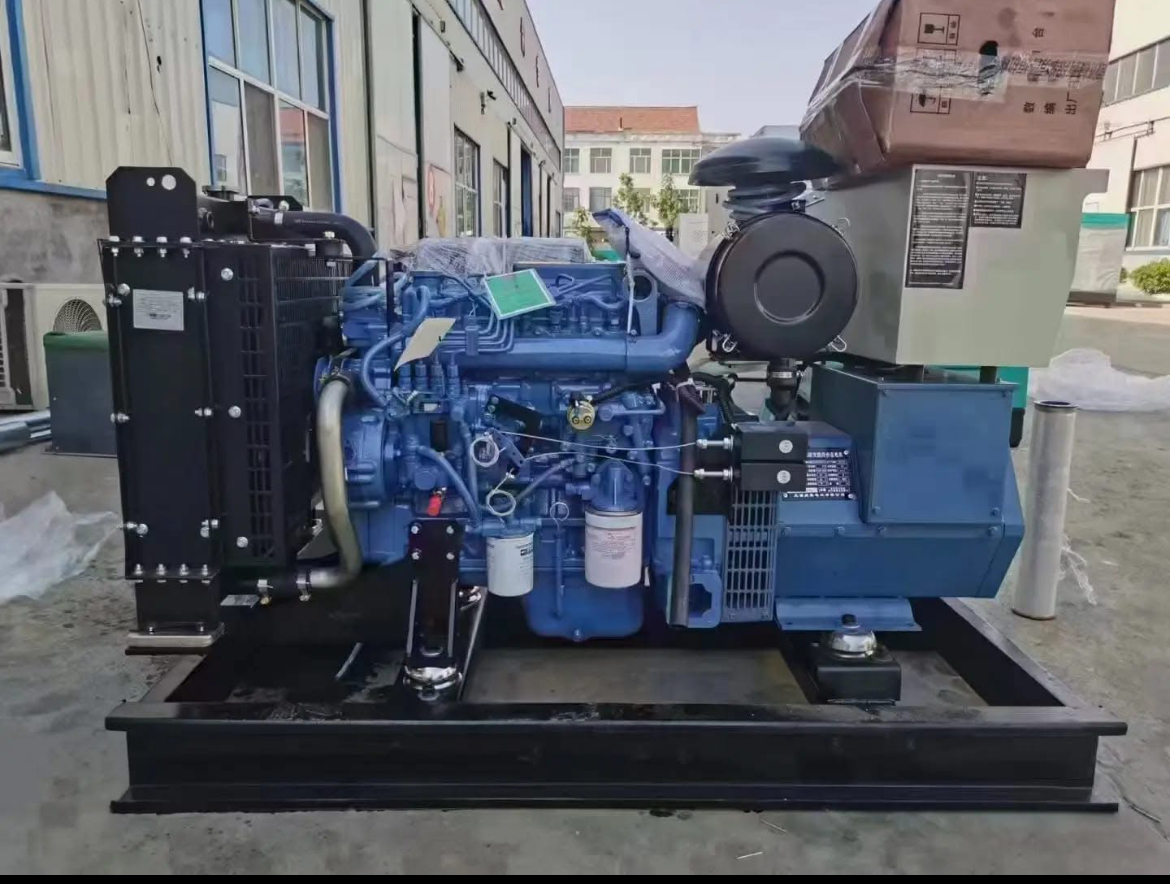
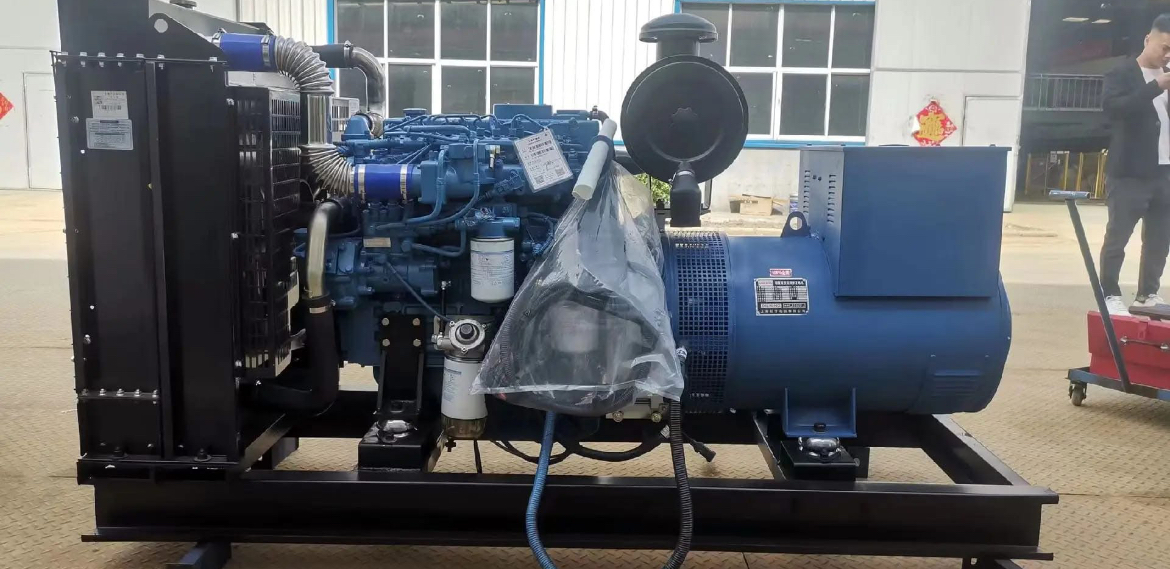
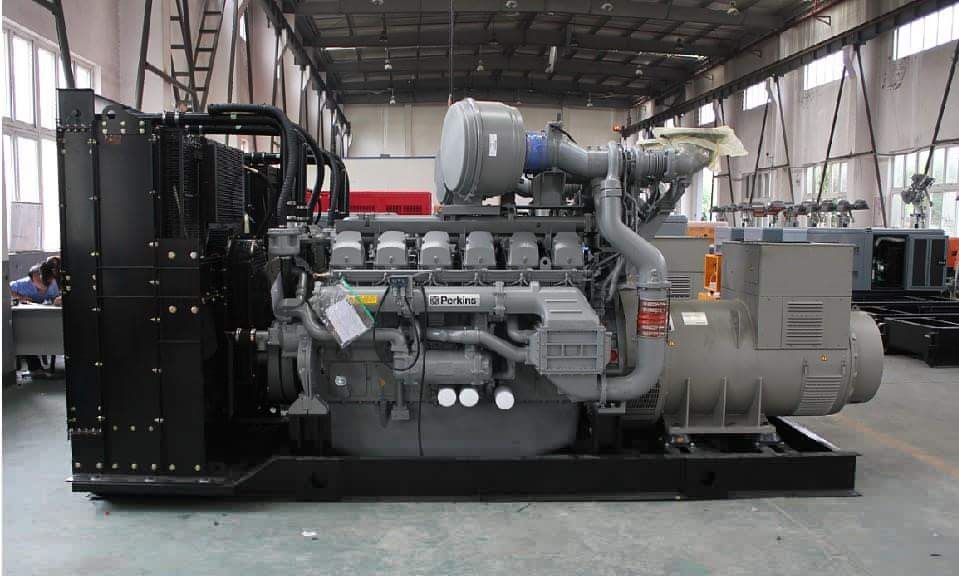
Engine architecture fixes the maintenance calendar. Oil capacity and filter design set the change interval, typically 250 to 500 hours; valve, injector and overhaul intervals follow from the engine family. Parts availability follows from how common the engine is: Cummins, Kirloskar, Perkins, Mahindra and similar families used across thousands of Indian sets have fast parts supply, while an unusual imported engine may wait weeks for a water pump. When specifying a set, ask for the engine make, model and build details, not only the set kVA, and confirm the configuration quoted is the one delivered. The engine service and engine parts pages cover what we support in our workshop at Pedda Amberpet and in the field.
Related photographs and videos
More related media (1)
Common mistakes
- Comparing two sets on kVA alone when one is highly turbocharged and the other lightly; the first trips on under-frequency at a block load the second accepts easily.
- Running a common rail engine on fuel from an unfiltered bulk tank; water and dirt destroy injectors and the warranty claim is refused.
- Running a CPCB IV+ set for months at under 30 percent load; the particulate filter loads up and the set derates or shuts down for regeneration.
- Installing a turbocharged set with a long restrictive exhaust; back pressure exceeds the limit and turbocharger life falls sharply.
- Choosing an engine with no local parts support because the set price was lower; a two week wait for a part costs more than the saving.
What to send us
Send a photograph of the engine nameplate or data plate showing make, model and serial number, the set nameplate, the hour meter reading, and a description of the duty, including the largest single load step and the hours per year the set runs. For a fault, add the controller alarm text. Use the generator sales enquiry for a new set or the service enquiry for an existing engine, and we will advise on the right configuration or the right repair.
Questions engineers ask
Why do generator engines run at 1,500 rpm in India?
Frequency equals speed times the number of pole pairs divided by 60, so a 4 pole alternator must turn at 1,500 rpm to produce 50 Hz. Small portable sets use 2 pole alternators at 3,000 rpm, which are lighter but wear faster, and 60 Hz export sets run at 1,800 rpm.
How much load can a diesel generator accept in one step?
A naturally aspirated engine can often accept close to its full rating in one step, while a turbocharged and aftercooled engine is typically limited to around 50 to 70 percent in the first step with the remainder applied after recovery. The exact figure is on the manufacturer’s transient data sheet and depends on the acceptable frequency dip.
Is a mechanical fuel pump engine still a sensible choice?
For new sets up to 800 kW it has in practice disappeared from the Indian market, because CPCB IV+ limits are met with electronic injection. For existing sets a mechanical engine remains serviceable and tolerant of poor fuel, and keeping it running is usually more economical than early replacement until the emission rules for that site require otherwise.
How does high ambient temperature affect the engine?
Hot intake air is less dense, so the engine produces less power at the same fuelling and its cooling system has less margin. Manufacturers publish derating curves, commonly a few percent of output for every 5 °C above the 40 °C reference, and on a 45 °C Telangana afternoon the set may deliver 5 to 10 percent less than nameplate.
Generators by rating
- Under 15 kVA generators
- 15–50 kVA generators
- 50–125 kVA generators
- 125–250 kVA generators
- 250–500 kVA generators
- 500–1000 kVA generators
- 1–2 MVA generators
- 2 MVA and above generators
Technical content reviewed by Srinivas Reddy, Managing Partner, Reddy Generators. Last updated 19 October 2026.