

In short. The lubrication system stores oil in the sump, circulates it with the pump, controls pressure with the relief valve, cleans it in the filter, cools it in the oil cooler and delivers it through the galleries to the bearings, turbocharger and valve train, while sensors tell the controller when something is wrong. Parts are identified from the engine serial and build. Low oil pressure is a diagnosis to be made, not a part to be ordered.
What the oil circuit does
Engine oil does four jobs at once. It separates moving surfaces with a pressurised film, most critically at the main and big-end bearings and the turbocharger shaft. It carries heat away from the pistons, often through dedicated cooling jets aimed at the piston underside. It holds combustion soot and wear particles in suspension until the filter or the next drain removes them. And it protects internal surfaces from corrosion during the long idle periods that a standby set spends between runs. A failure anywhere in the circuit damages components worth many times the failed lubrication part, which is why generator controllers protect the engine with low oil pressure and, on larger engines, high oil temperature shutdowns.
The parts and how they are identified
| Part | Role | Identified by | Typical failure mode |
|---|---|---|---|
| Oil pump (gear or rotor) | Circulates oil from sump to galleries | Engine serial and build; drive and pick-up arrangement | Worn rotors or gears reducing delivery, damage from debris |
| Pressure relief or regulating valve | Limits maximum pressure | Engine build; spring rating | Sticking open from debris, weak spring |
| Pick-up and strainer | Feeds pump from sump | Engine and sump design | Blocked by sludge or gasket fragments, cracked tube admitting air |
| Oil filter and bypass | Removes particles | Engine serial and current filter reference | Blocked element forcing bypass, wrong filter without anti-drain valve |
| Oil cooler | Transfers oil heat to coolant | Engine build; plate or tube type | Internal leak mixing oil and coolant, fouling |
| Piston cooling jets | Spray oil onto piston underside | Engine build | Bent or blocked jet causing piston overheating |
| Pressure, temperature and level sensors | Feed controller alarms and shutdowns | Controller wiring, sensor range and thread | Wrong curve giving false readings, wiring faults |
| Pre-lube pump and dipstick, breather | Prime before start; measure level; vent crankcase | Engine and installation | Pre-lube motor failure, blocked breather raising crankcase pressure |
The oil cooler is shared with the cooling system and the filter is shared with the consumables family; see cooling-system parts and generator filters. The engineering background is in engine cooling and lubrication.
Low oil pressure: work through the causes
A low oil pressure alarm or shutdown is one of the most serious warnings a generator gives, and it should never be cleared and ignored. Equally, it does not prove that the oil pump has failed. The possible causes are well known and should be eliminated in order, cheapest first.
- Verify the reading with a mechanical gauge at the gallery; a failed sender or a sender with the wrong curve for the controller is common after a controller or sensor change.
- Check the oil level and look for overfill as well as underfill; overfill can aerate the oil when the crankshaft dips into it.
- Check the oil grade and condition; oil of the wrong viscosity, or oil thinned by fuel dilution from a leaking injector or long idling, gives low pressure when hot.
- Check the filter for blockage and the correct reference, and the relief valve for debris or a weak spring.
- Inspect the pick-up and strainer for sludge or a crack admitting air.
- Only then consider internal wear: excessive bearing clearances, worn camshaft bushes or a worn pump, which all require a strip-down to confirm.
If the low pressure followed a bearing failure, the pump, cooler and galleries must be cleaned or replaced as well, because debris from the bearing is now in the circuit. Our engine bearings guide explains how the bearing condition links back to the oil supply.
Oil condition as a diagnostic tool
Used oil carries a record of what the engine has been doing. A simple visual and smell check at each service picks up the obvious problems: a milky appearance indicates coolant, a strong fuel smell and thin consistency indicates fuel dilution, and grittiness indicates dust ingress through the air system. Laboratory oil analysis goes further, reporting wear metals (iron from liners, lead and copper from bearings, aluminium from pistons), silicon from dust, sodium and potassium from coolant, soot and viscosity. Taken at regular intervals on larger or critical sets, the trend is more useful than any single result, and a rising wear metal or a jump in silicon gives warning of a failure weeks before it happens.
Different contaminants point to different parts. Coolant in oil points to the oil cooler, the head gasket, a liner seal or a cracked head. Fuel in oil points to injectors, injector seals or the lift pump diaphragm on some engines. Dust points to the air cleaner and intake hoses. Replacing the oil without finding the source simply contaminates the new oil.
Oil grade, quantity and standby duty
There is no single oil grade for all diesel generators. The engine manufacturer specifies the API or equivalent performance category and the viscosity grade for the engine, sometimes with different grades for different ambient ranges, and that specification governs. A standby set in Hyderabad that runs a few hours a month needs its oil changed on time as well as on hours, because oil ages, absorbs moisture and loses additive even when the engine is idle; the manufacturer’s schedule usually gives an interval in both hours and months. A set on prime duty reaches its hours interval quickly, and in dusty conditions the interval may need to be shortened on the evidence of oil analysis. The scheduling is covered in our maintenance planning guide.
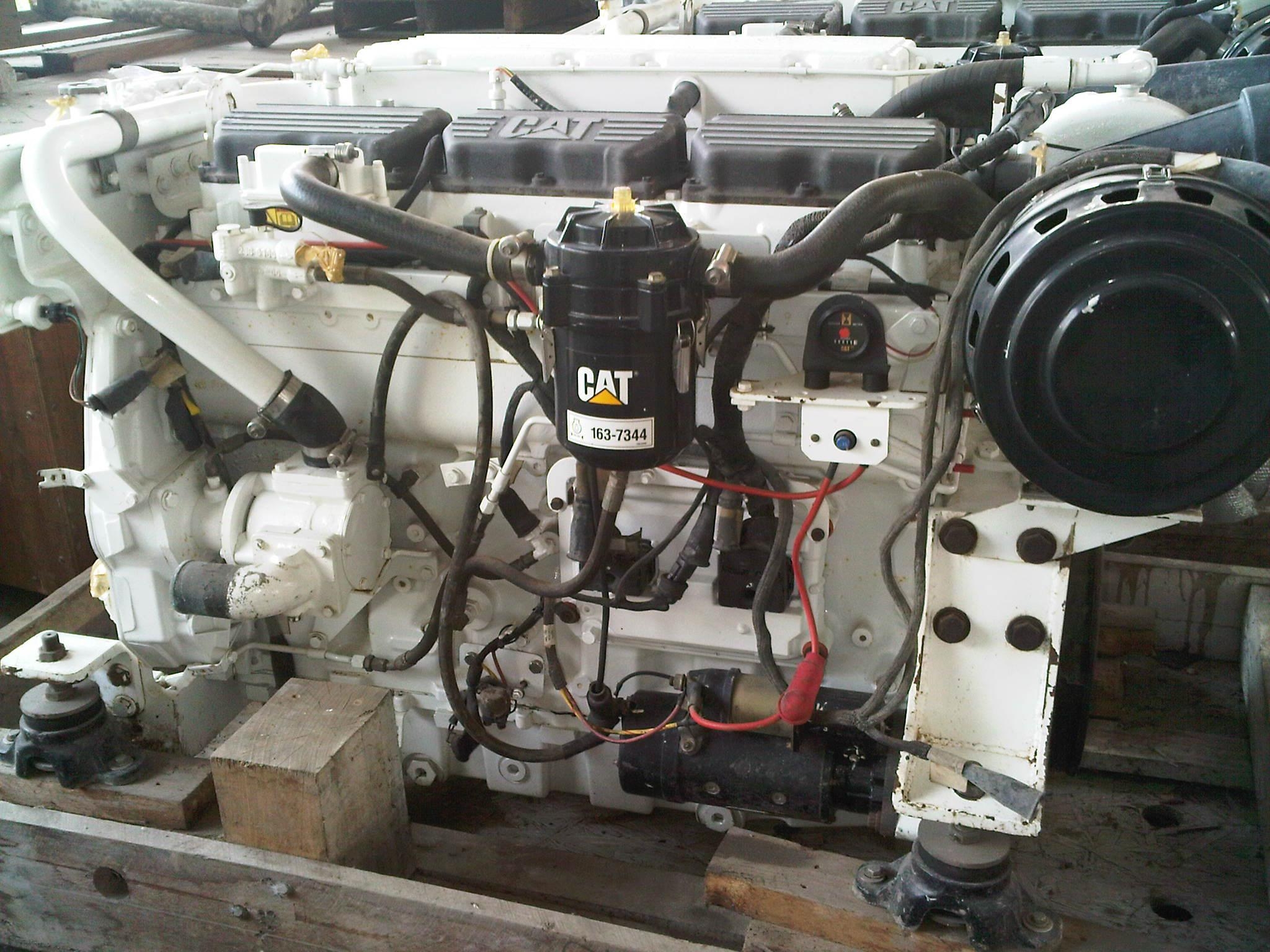
Related photographs and videos
Common mistakes
- Changing the oil pump for a low pressure alarm without checking the sender; the reading was wrong and the engine is opened for nothing.
- Topping up with whatever oil is available on site; mixing grades and specifications reduces protection, and the wrong viscosity gives low pressure when hot.
- Changing oil only on hours on a standby set; oil left in for years absorbs moisture, loses additives and corrodes bearings during the idle periods.
- Replacing contaminated oil without finding the source; coolant or fuel keeps entering and the bearings fail.
- Fitting new bearings after a failure without cleaning the cooler and galleries; trapped debris damages the new bearings on first start.
What to send us
Send the engine plate photograph and serial number, photographs and markings of the component you need, the oil pressure readings at idle and rated speed hot and cold if known, the oil grade in use, the hour-meter reading and the date of the last oil change, and any oil analysis reports. Describe what prompted the enquiry, such as an alarm, a leak or contamination. Use the spare parts enquiry and we will identify the part and advise on diagnosis.
Questions engineers ask
What oil pressure is normal for a diesel generator engine?
It depends on the engine. Each manufacturer specifies minimum pressure at idle and at rated speed, hot. Compare your readings with that engine’s data, not with another engine, and verify the controller reading with a mechanical gauge if it looks wrong.
Why is my oil level rising?
Fuel or coolant is entering the sump. A fuel smell and thin oil indicates fuel dilution from injectors or injector seals; a milky appearance indicates coolant from the oil cooler, head gasket or liner seals. Stop and diagnose before running further.
How often should a standby generator’s oil be changed?
At the hours interval in the manufacturer’s schedule or the calendar interval, usually annually, whichever comes first. Standby sets reach the calendar limit long before the hours limit and still need the change.
Is oil analysis worth it for a generator?
For critical and prime-duty sets, yes. Regular samples show trends in wear metals, dust and coolant contamination that warn of failures well before they happen, at a small fraction of the cost of a bearing or liner failure.
Does a high oil temperature mean the oil cooler has failed?
Not necessarily. High oil temperature also follows high coolant temperature, overload, low oil level or a blocked cooler on the coolant side. Check the cooling system and load before replacing the cooler.
Technical content reviewed by Srinivas Reddy, Managing Partner, Reddy Generators. Last updated 19 October 2026.