
The Alternator Is Not a Passive Attachment to the Engine.
It is the electrical machine responsible for converting shaft power into usable AC power.
IMPORTANT ELEMENTS
Related photographs and videos
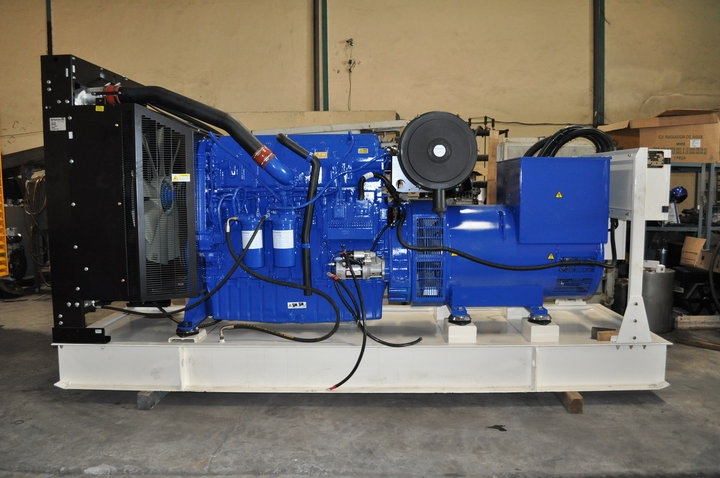
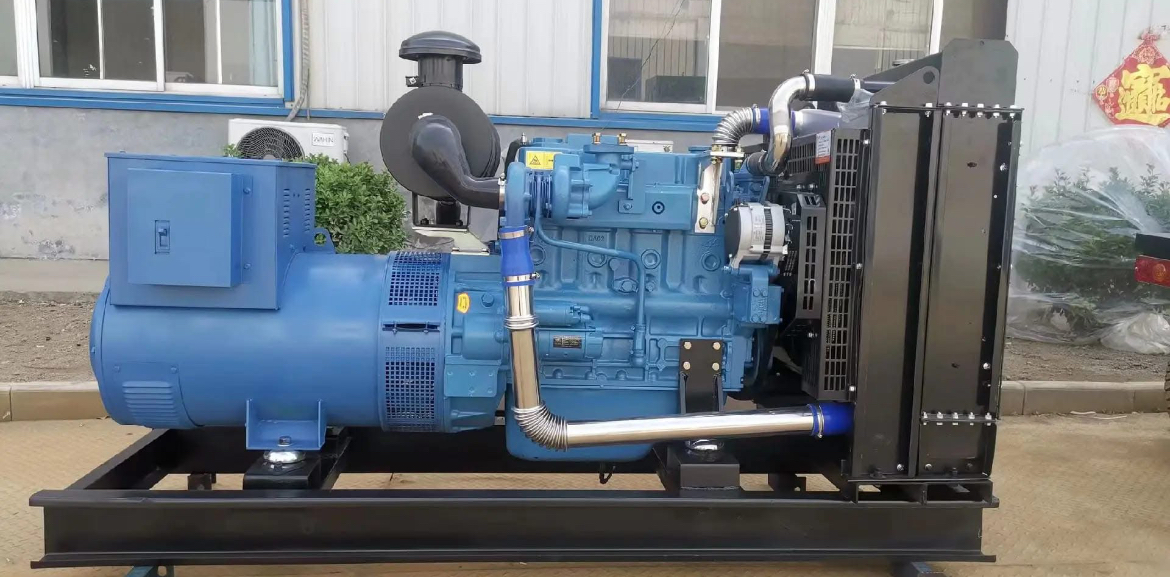
- stator
- rotor
- exciter
- AVR
- rotating rectifiers
- PMG where fitted
- bearings
- terminal system.
WHY ALTERNATOR SELECTION MATTERS
Alternator behaviour influences:
- voltage regulation
- motor starting
- short-duration overload
- harmonic interaction
- reactive loading
- temperature rise.
NONLINEAR LOADS
UPS systems, drives and rectifier-based equipment can create current waveforms that affect generator voltage quality.
The alternator should therefore be evaluated as part of the load system.
Engine capacity determines mechanical power.
Alternator capability determines how that power becomes electrical performance.
Engineering intent
Generator Alternator Architecture should be evaluated as part of the complete power system rather than as an isolated catalogue item. Operating duty, connected load, interfaces, protection, controls, installation conditions, testing requirements and lifecycle consequences determine whether the arrangement is appropriate.
Engineering considerations
Mechanical Power, Electrical Generation, Controls and Protection Must Work Together An industrial diesel generator can be understood through four fundamental layers. The diesel engine converts fuel energy into mechanical shaft power. Conditions such as low oil pressure, excessive temperature, restricted airflow, fuel contamination or speed-control problems can affect the availability of the complete generator. The alternator converts shaft power into electrical output. The alternator must be considered together with the actual load—not only the generator’s catalogue rating. The generator controller manages operating logic and supervises key parameters. Depending on the system architecture, it may coordinate: Automation should make the power system more predictable and easier to operate—not unnecessarily complex.
Selection and design considerations
During acceleration, the motor may demand substantially more current than it requires during normal running. That demand can affect: “Can the generator, alternator, cable system and motor accelerate the load under the actual starting condition without unacceptable disturbance?” Running Load Is Only Half the Story. Starting Behaviour Can Decide the System. During that transition, the motor, generator, alternator, cable, starter and driven load interact dynamically. The motor does not simply appear as its final running kW. A generator system must respond to sudden electrical demand. When a significant motor starts, the generator system may experience:
Integration and protection considerations
Focuses on the alternator as an electrical machine: Stator • Rotor • Exciter • Diodes • Bearings • Insulation • Terminals • Neutral • Cooling • Electrical Output AVR • Sensing • Field Output • Voltage Stability • Adjustment • Control Interface The two pages must link closely, but they are not the same. A voltage fault may come from the AVR. It may also come from the alternator, sensing circuit, load, cable voltage drop, protection trip, engine speed or controller configuration. A professional alternator service should move from symptom to measurement, not from symptom to guesswork. Do not automatically replace the AVR without checking the alternator and sensing chain. A generator can show voltage at the terminals but still fail the load if voltage collapses during actual duty.
Testing, commissioning and verification
Protection thresholds must distinguish operational imbalance from equipment-danger conditions. For a generator supplying single-phase loads across a three-phase system, substantial unbalance can reduce usable machine capability and increase thermal stress. Use the generator/alternator OEM’s permissible unbalance data. In a parallel DG plant, unequal phase loading is seen by the common system and shared among generators according to the electrical/control architecture. Therefore negative-sequence elements must coordinate with faster primary: The negative-sequence thermal function should not become the primary clearing mechanism for a severe fault already covered by faster unit protection.
Operating and lifecycle considerations
Modern project review should instead determine the actual: A 100 kVA UPS does not automatically require one fixed generator multiplier. After an outage, the generator may need to supply: That can differ materially from the pre-outage load profile. A VFD often reduces motor-starting demand compared with direct starting, but actual system behaviour should be verified. Do not assume every VFD load is electrically benign. Harmonic current can produce voltage distortion across source impedance. The generator is generally a weaker source than a large utility network. Therefore nonlinear loads may produce different system behaviour under generator operation. Do not size merely by total RMS kVA when harmonic effects materially matter.
Decision and application considerations
In one architecture, the neutral can remain continuously connected while the three phase conductors transfer. Whether this is correct depends on the source/earthing system. Do not select 3P ATS from cost alone. In another architecture, the neutral is intentionally switched with the source conductors. or other neutral contact behaviour, that characteristic can be important to the system. Do not assume all 4P devices switch every pole simultaneously in exactly the same way. A utility/consumer transformer secondary can establish the normal LV neutral/reference according to its winding and grounding arrangement. That becomes a fundamental input to the entire downstream earthing/protection architecture. A generator alternator can also have an accessible neutral point depending on winding architecture.
Direct answer
The Alternator Is Not a Passive Attachment to the Engine. It is the electrical machine responsible for converting shaft power into usable AC power.
The practical decision for Generator Alternator Architecture should be based on verified load, equipment, interface and site information. Where equipment-specific data, regulatory applicability or a project study is required, this guidance does not replace that verification.