
Since 2002
Telangana Andhra Pradesh 300 km around Hyderabad Project sites across India
Every brand. Every generator. One accountable power partner.
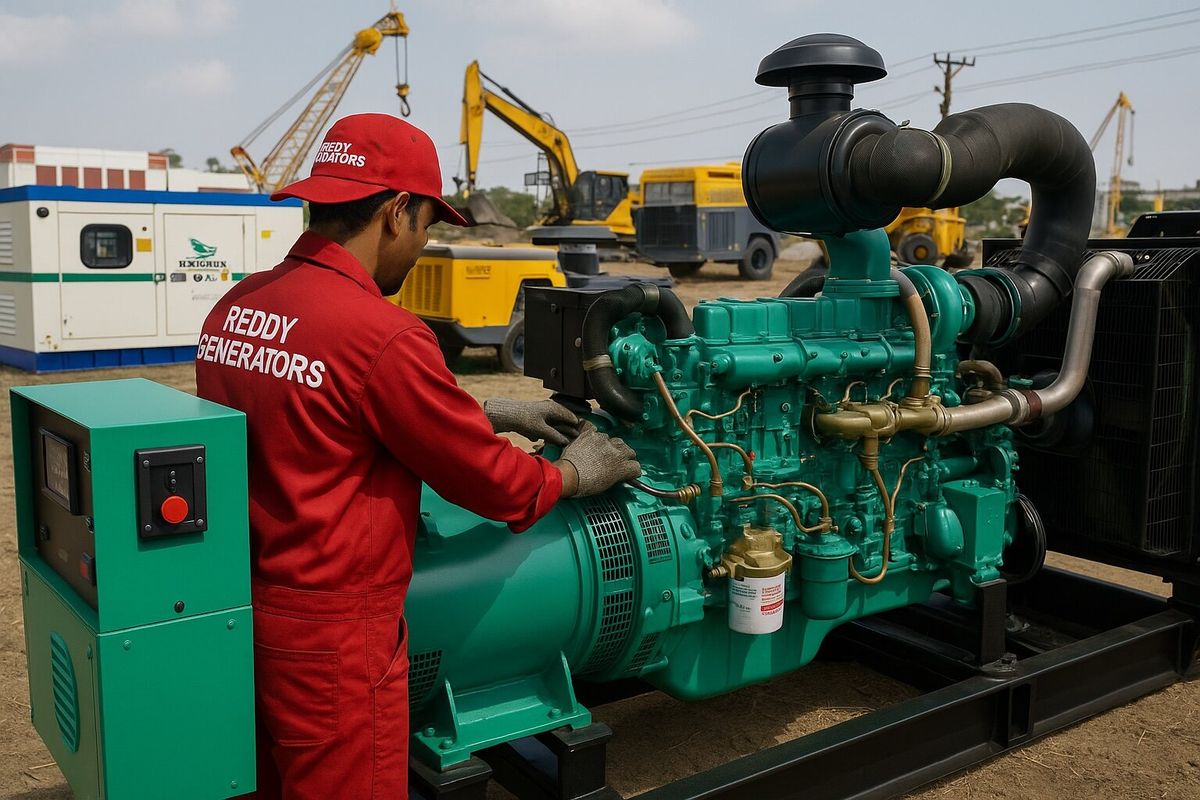
Reddy Generators sells, rents, services and supplies spare parts for diesel generators of all makes, with the AMF panels, changeover systems, cabling and earthing that complete the power system.
- Call or WhatsApp
- 098852 01608
- Serving customers
- Since 2002
- Tarnaka, Secunderabad
Serving Telangana and Andhra Pradesh
What we do
Four lines of work, one accountable team.
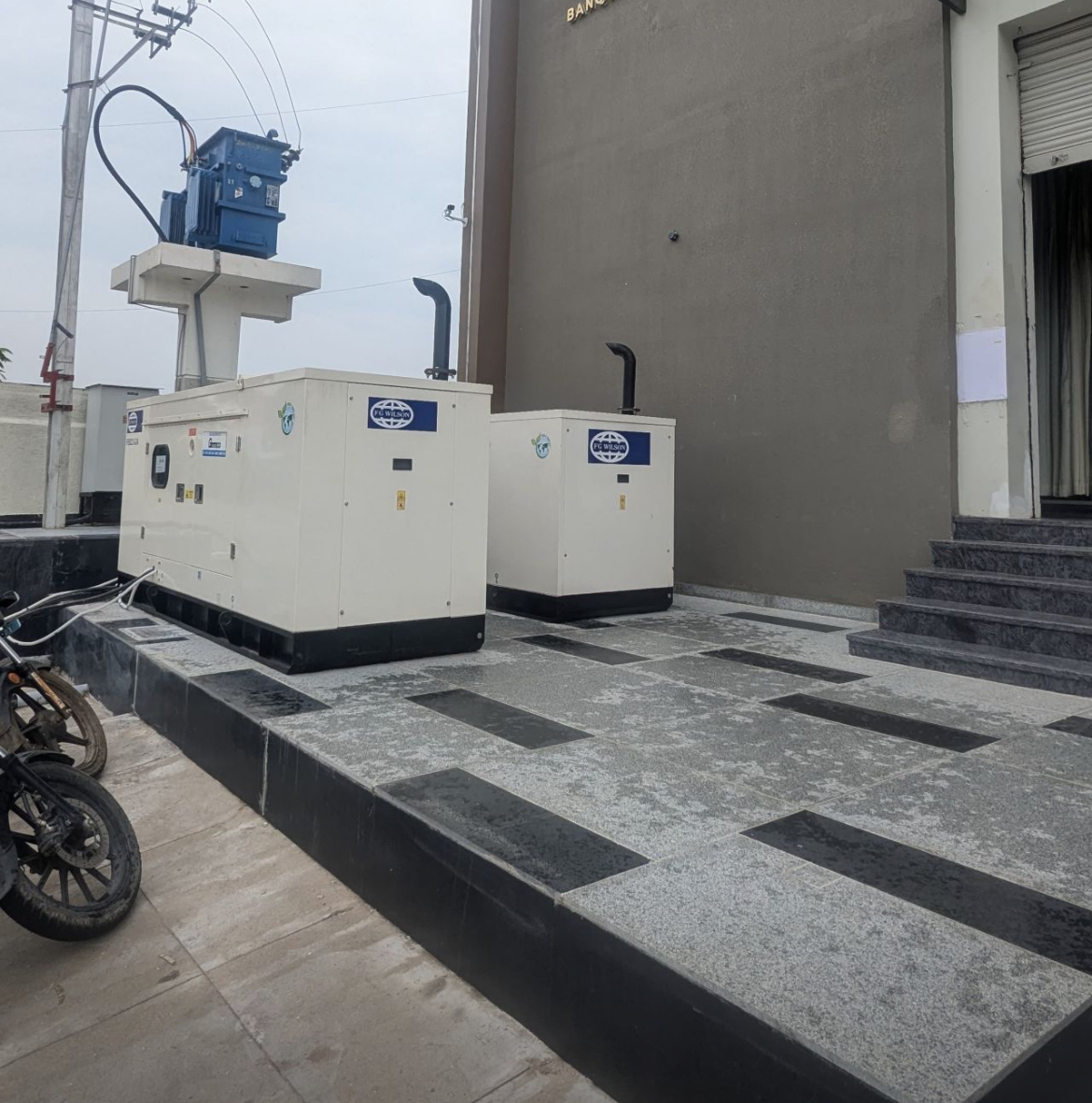 Generator salesDiesel sets of every make and rating, sized to the load and installed with the panels, cabling and earthing around them.Explore
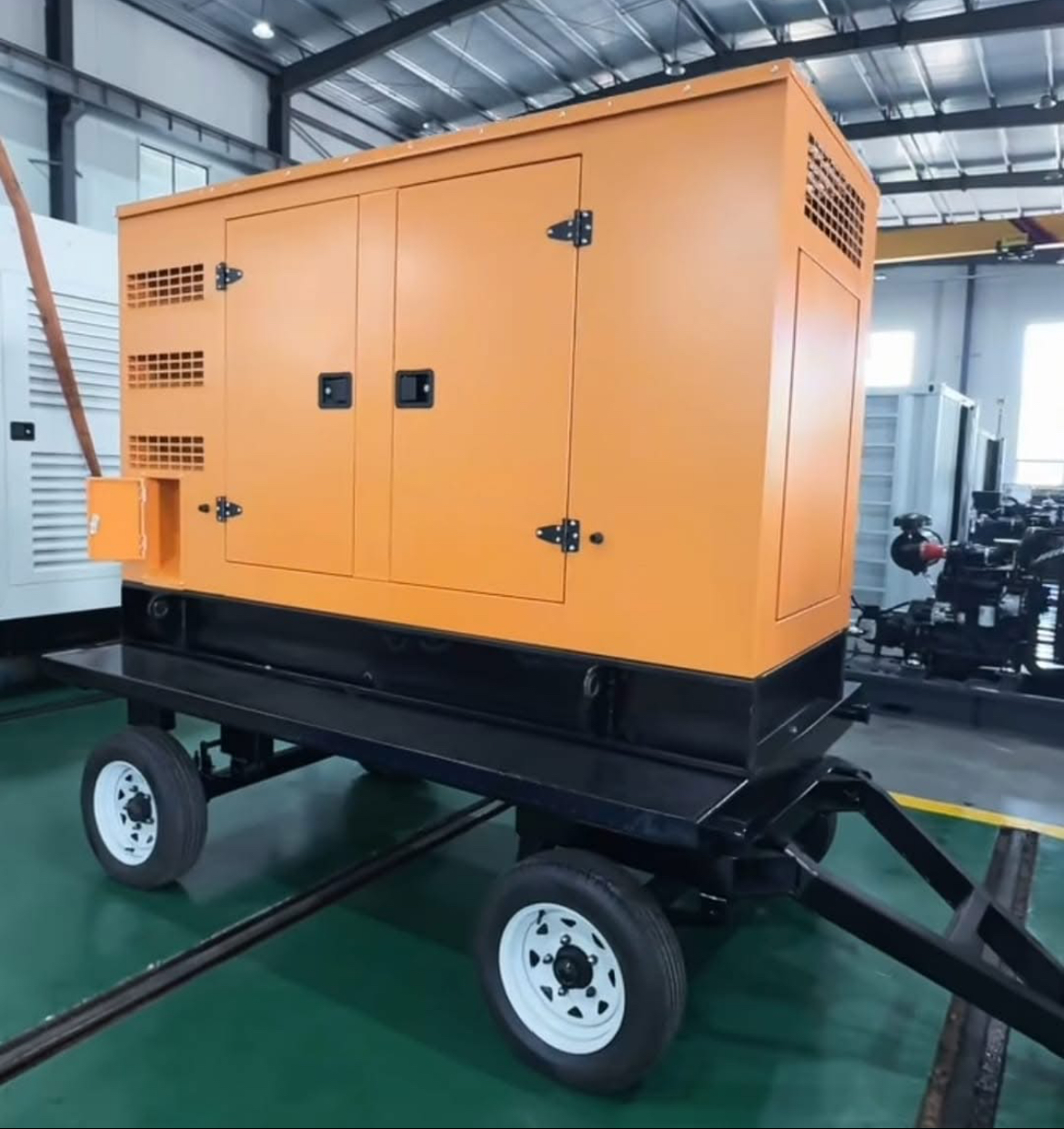 Rental powerGenerators, cables and changeover for events, construction, shutdowns and emergencies, delivered and connected.Explore
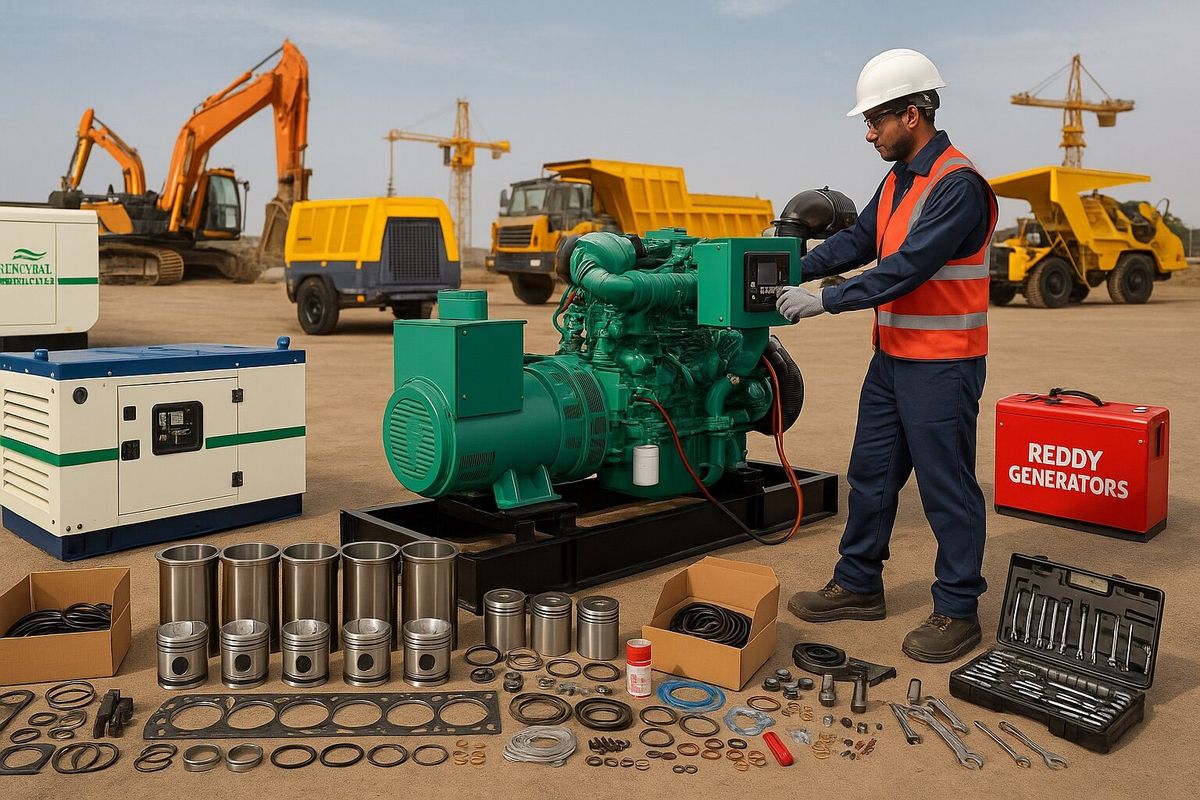 Service and AMCPreventive maintenance, breakdown diagnosis, overhauls and annual contracts for sets you already own.Explore
 Spare partsEngine, alternator and control parts matched to the nameplate, not guessed from the kVA.Explore
Tarnaka, Secunderabad
Two decades of keeping power on
Since 2002 we have sold, rented, installed and serviced diesel generators for factories, hospitals, offices, hotels and homes across Hyderabad, Telangana and Andhra Pradesh. We work on every major make, and we start every job with the same question: what must stay powered, and what happens if it stops?
About Reddy GeneratorsMakes we sell, service and supply parts for
- Cummins
- Kirloskar
- Mahindra
- Ashok Leyland
- Perkins
- CAT
- FG Wilson
- Greaves
- MTU
- Eicher
- Escorts
- Kohler
- Honda
- and many more
From enquiry to running power
- 1
Tell us the load
Call, WhatsApp or send the form with the equipment, site and timeline.
- 2
We size it properly
Running load, motor starting, duty and site conditions, checked before any model is named.
- 3
Clear proposal
One scope and quotation you can compare and approve.
- 4
Install and support
Commissioning, handover and service for the life of the set.
Watch
Built to back you up
A short look at who we are, how we work and the equipment we look after.
See all videosPower for places that cannot stop
Start from your sector.
Engineering before equipment
Plain-language guides written by our engineers.
Questions we hear most
Straight answers about areas, quotations, rental and maintenance.
What do Reddy Generators supply and support?
Generator sales and installation, rental and temporary power, service and annual maintenance contracts, and spare parts, with power-system engineering support for projects in Hyderabad and Secunderabad.
How long has Reddy Generators been in business?
Reddy Generators has been serving customers since 2002, with more than two decades of experience in diesel generators and industrial backup power.
Which areas do you serve?
All of Telangana and Andhra Pradesh, and every district within about 300 km of Hyderabad, on a rapid-response basis. For projects elsewhere in India, including Odisha and Assam where we have already worked, send the location and requirement and we will plan mobilisation with you. See the areas we serve.
How do I get a quotation?
Call or WhatsApp us, or send the enquiry form. Share the load, site location, fuel preference and timeline; photographs and nameplate details help us respond accurately.
Can I rent a generator for a short period?
Yes. Rental and temporary power is available for events, construction sites and standby cover. Tell us the capacity needed, the duration and the site address.
Do you offer maintenance contracts for generators we already own?
Yes. Service and AMC support covers preventive maintenance and breakdown support. Share the generator make, rating and location so we can propose a suitable plan.
How can I contact Reddy Generators?
Phone and WhatsApp 098852 01608, email info@reddygenerators.com, or use the enquiry form on the Contact page.
Tell us what you need to power
Share the load and the site. We will come back with a clear recommendation and a quotation.
Verified projects
Work backed by client orders, 2007 to 2026
Every project below is backed by a purchase order, work order or letter of award on file. Public-sector customers are named; private clients are described by type.