
The Engine Determines How Fuel Becomes Mechanical Power—and How the Generator Responds to Load.
Key engine systems include:
AIR
FUEL
COMBUSTION
LUBRICATION
COOLING
EXHAUST
STARTING
CONTROL
LOAD RESPONSE
When electrical load increases, the alternator demands additional mechanical torque.
Related photographs and videos
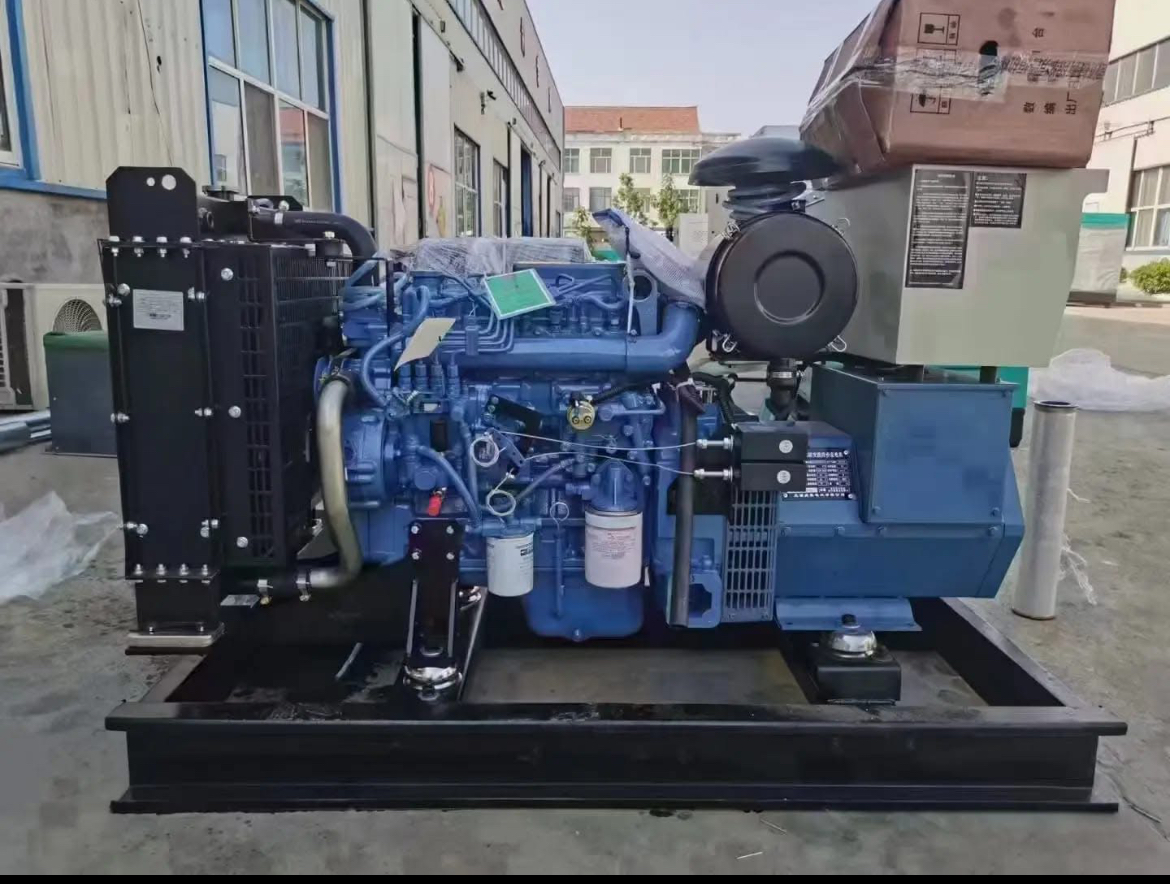
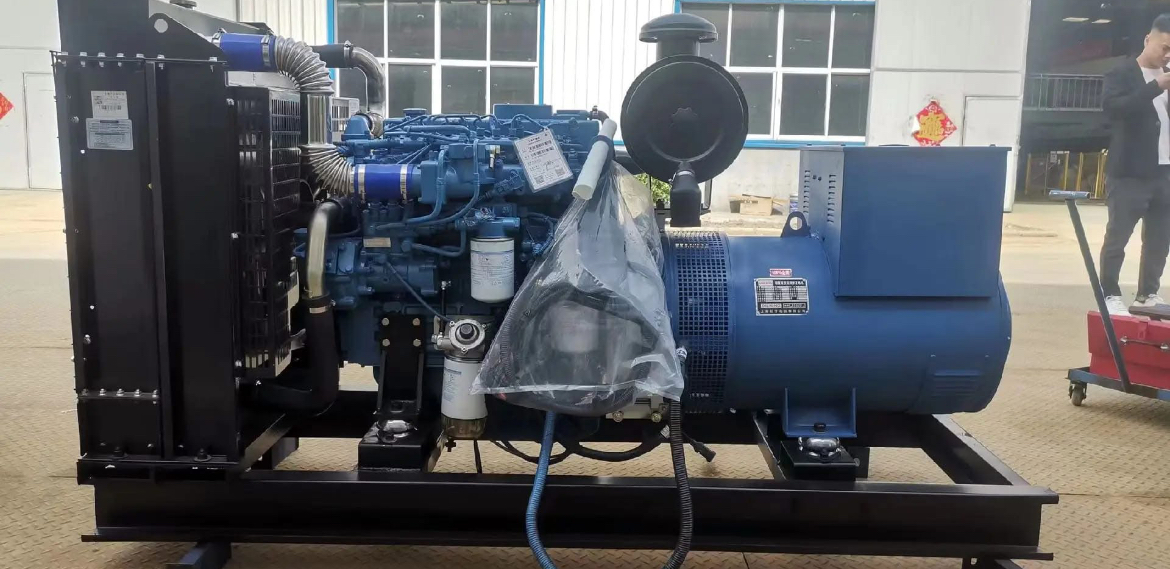
More related media (1)
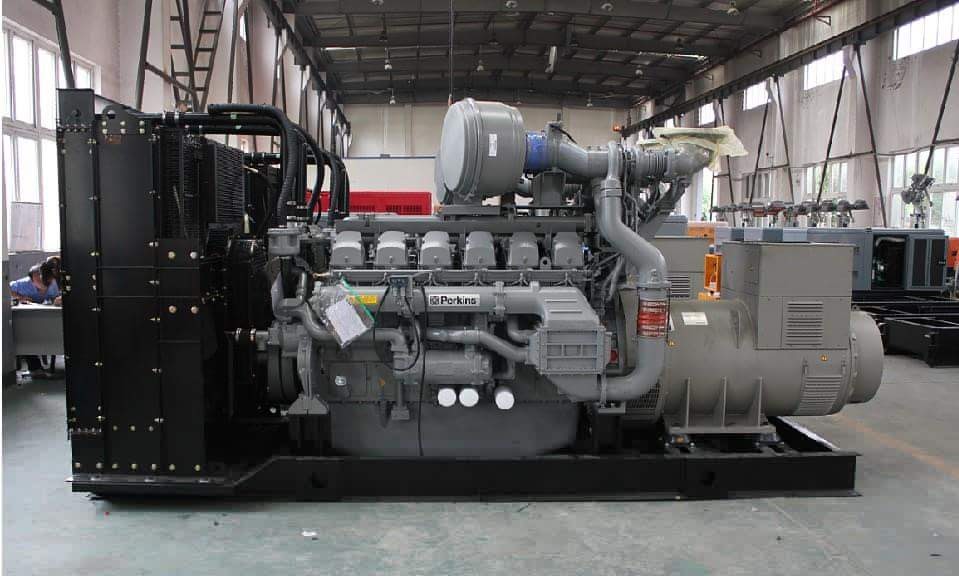
The engine/governor system must respond quickly enough to maintain acceptable frequency.
This is why engine dynamic performance matters in:
- motor starting
- large load steps
UPS applications.
ENGINE CONFIGURATION
Specific equipment may use:
- naturally aspirated
- turbocharged
- aftercooled
- mechanical or electronically controlled fuel systems.
Do not infer a configuration without model documentation.
LIFECYCLE
Engine selection also influences:
- service intervals
- fuel consumption
- parts
- overhaul
- emissions configuration.
The engine does more than produce kW. It determines how the generator reacts when demand changes.
Engineering intent
Generator Engine Architecture should be evaluated as part of the complete power system rather than as an isolated catalogue item. Operating duty, connected load, interfaces, protection, controls, installation conditions, testing requirements and lifecycle consequences determine whether the arrangement is appropriate.
Engineering considerations
The diesel engine must increase mechanical torque to maintain generator speed. The governor detects/responds to speed/frequency change and adjusts engine fuel input according to its control characteristics. If electrical real-power demand temporarily exceeds engine mechanical-power response: The magnitude and duration depend on the complete genset/load model. A single minimum-Hz number is less informative than the complete trajectory.
Selection and design considerations
If a modular plant automatically stops units at low load, a large motor-start command may require another generator to start and synchronise first. The operating strategy should account for the largest expected start. Two generators with the same kVA rating may not start the same motor equally. SAME kVA DOES NOT MEAN SAME MOTOR-START PERFORMANCE. Alternator behaviour can materially influence voltage dip and recovery. Use actual alternator data where the project consequence justifies it. The alternator then demands more mechanical torque from the engine. For diesel engines, transient response can be influenced by how quickly the engine can respond to sudden load. Where significant motor-starting events are involved, use manufacturer or sizing-tool data rather than generic assumptions.
Integration and protection considerations
Containerised systems may include defined exhaust routes and silencers. Do not connect multiple generators to a common exhaust path unless that architecture is specifically engineered for the engines and operating modes. The normal website position should not imply common headers are acceptable by default. The exhaust route does not by itself prove emissions compliance. Do not treat pipe routing or silencer installation as proof of CPCB or other emissions compliance. Some generator systems may include exhaust aftertreatment depending on engine/emissions configuration. Do not assume aftertreatment exists on every generator. Do not assume it can be added without model-specific engineering.
Testing, commissioning and verification
Which motor starts while the generator is already heavily loaded? Sometimes better control logic can reduce generator size more intelligently than simply oversizing the machine. may need to be analysed as one system. When a large load is suddenly applied, generator terminal voltage can temporarily fall. Do not assume one universal permissible dip for every project. Large block loads also affect the engine/governor. The generator must provide additional mechanical power as electrical load increases. How much load can be added in one step while the system remains within the project’s acceptable operating limits? “Can the generator eventually carry the total load?” A generator may carry 800 kW steadily but not necessarily accept an instantaneous 800 kW block from no load.
Operating and lifecycle considerations
Every DG can be fitted with an RECD. Every DG can be converted to dual fuel. Dual fuel always gives a fixed gas-substitution percentage. Hybridisation always saves a fixed percentage of fuel. A technology approved for one engine/configuration is automatically approved for another. A regulatory pathway in one jurisdiction proves compliance elsewhere. Verify the equipment. Verify the jurisdiction. Verify the technology. Engineer the integration. Document the outcome. Generator emissions engineering evaluates the generator, engine, fuel, duty, exhaust system, emissions requirements, retrofit/replacement options and power-system consequences as one coordinated engineering problem. A Retrofitted Emission Control Device is an emissions-control system installed on an existing generator/engine exhaust application under an applicable certified and regulatory framework. Suitability is equipment- and application-specific.
Decision and application considerations
Is there a verified system and acceptable integration pathway? Only after these gates should a final technical disposition be issued. manufacturer • model • serial number • rated kVA • rated kW • voltage • phase • frequency • rated current • duty/rating classification • manufacturing/build information. Photographs should be clear enough to read the nameplate. That description may not uniquely identify the actual engine-generator configuration. engine manufacturer • engine model • serial number • engine family where documented • displacement where relevant • rated mechanical power • rated speed • aspiration/turbocharger • fuel system • ECU/governor • emissions documentation. This is one of the most important steps. The proposed supplier should provide evidence appropriate to the actual engine/configuration. conversion-system make/model • applicable engine family • certification/type-approval basis where applicable • operating envelope • fuel requirements • installation requirements • controls • safety interfaces • maintenance requirements.
Direct answer
The Engine Determines How Fuel Becomes Mechanical Power—and How the Generator Responds to Load. AIR FUEL COMBUSTION LUBRICATION COOLING EXHAUST STARTING CONTROL LOAD RESPONSE When electrical load increases, the alternator demands additional mechanical torque.
The practical decision for Generator Engine Architecture should be based on verified load, equipment, interface and site information. Where equipment-specific data, regulatory applicability or a project study is required, this guidance does not replace that verification.