
Engine model, serial or build information and previous repair records help define the applicable service requirements. Record the duty, running hours and known changes to components or operating conditions. The same generator rating can be associated with different engines, so the kVA figure alone is not an adequate service specification.
Assess symptoms in context
Starting behaviour, oil use, leakage, smoke, temperatures, pressures and load performance can provide useful evidence. None should be interpreted in isolation. A loss of output may involve fuel supply, restricted air, cooling, controls or the driven electrical load as well as internal engine condition. The assessment should establish the likely cause before a major repair scope is proposed.
Condition first
- running hours
- maintenance history
- oil consumption
- starting behaviour
- smoke
- temperatures
- pressures
- leakage
- load performance
Different problems can look similar
- fuel
- air
- turbocharging
- engine condition
- overload
- controls
Consider the starting system
A crank-no-start complaint needs to distinguish inadequate cranking from a fuel or engine problem. Include battery, cable, starter and cranking-speed evidence in the investigation where relevant, using the applicable equipment procedures.
Related photographs and videos
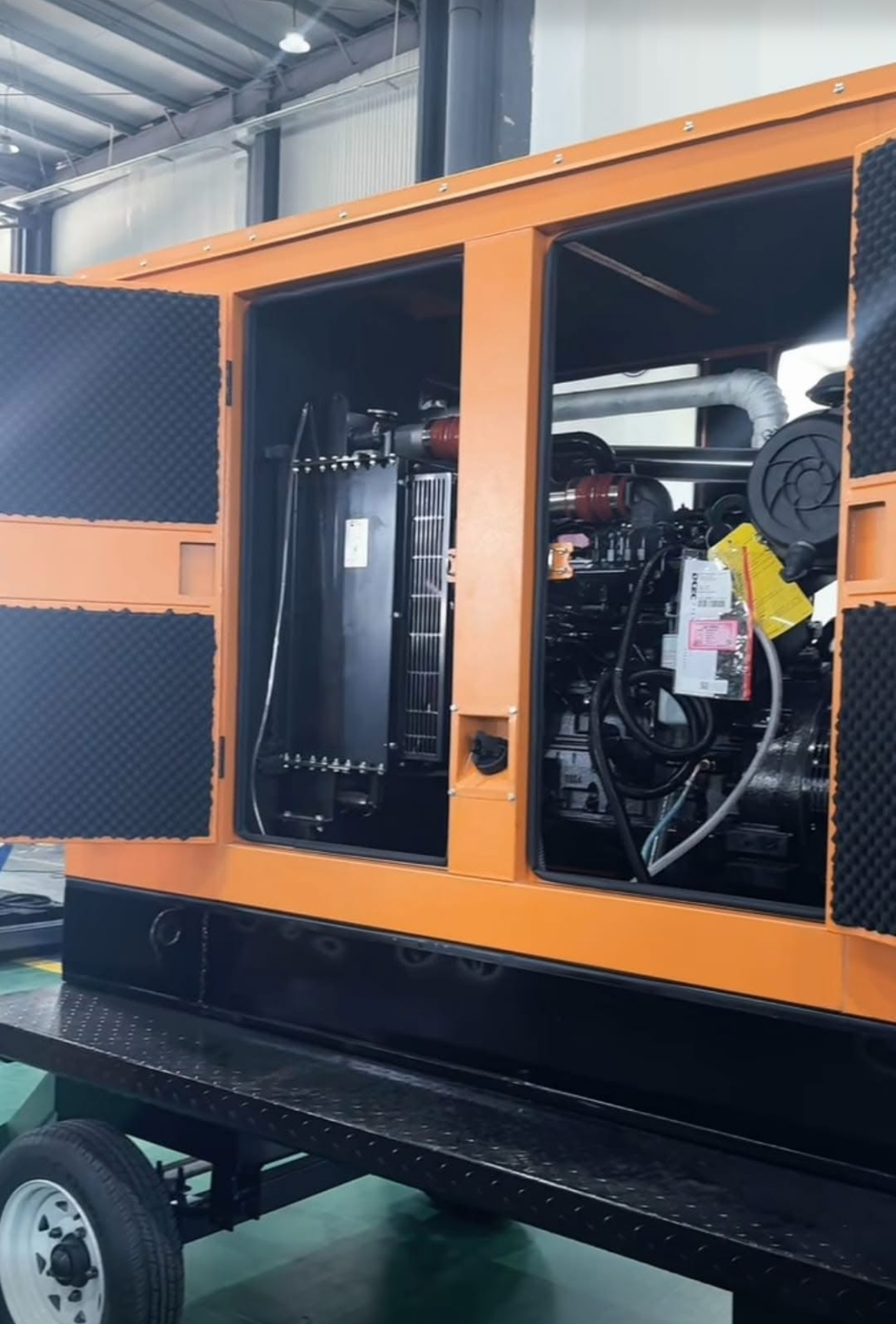
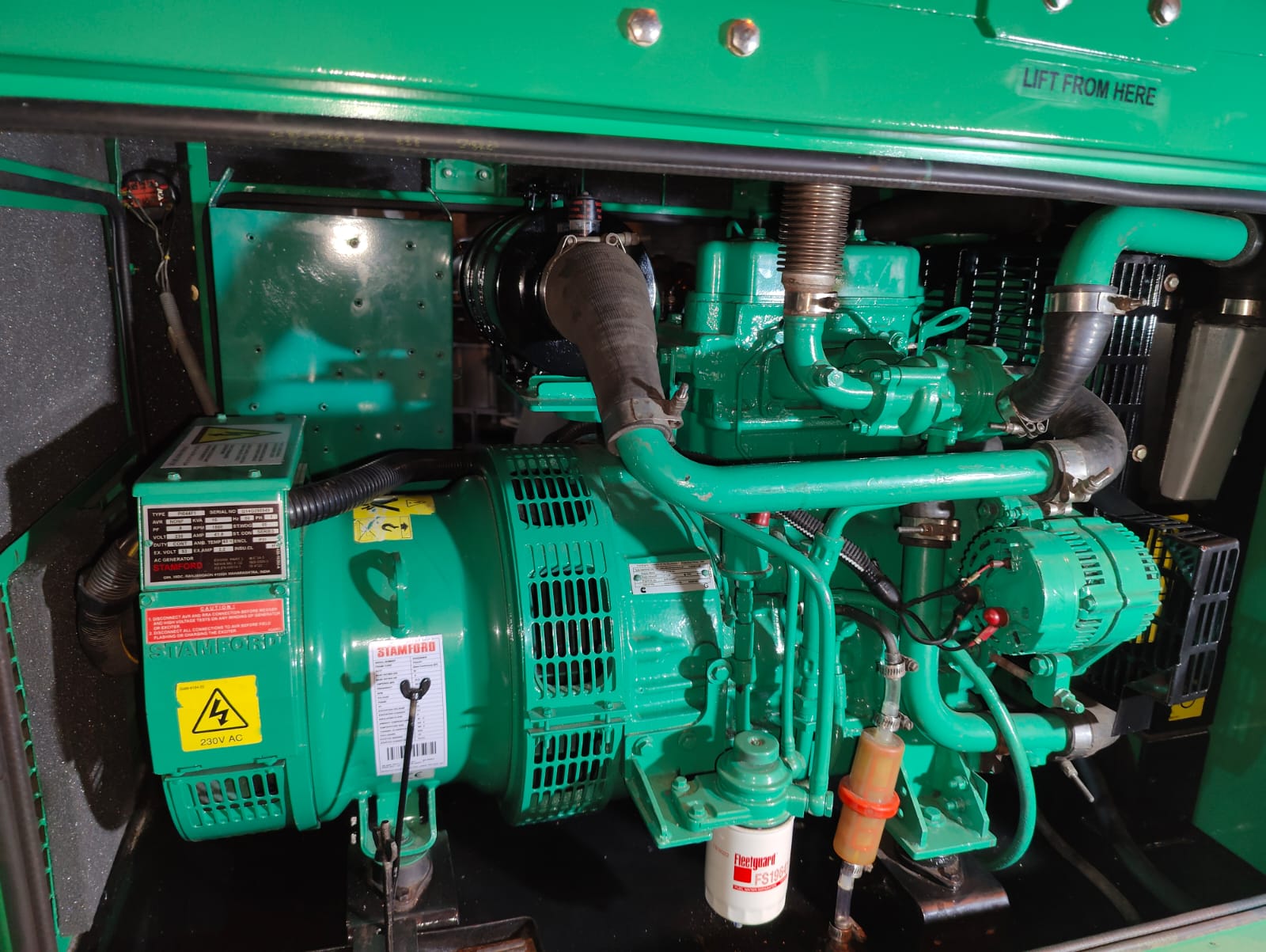
Agree the work and verification
The proposed scope should identify the affected systems, applicable procedures, parts and any inspection needed after disassembly. If additional damage is found, retain the findings and obtain the appropriate authorisation for a changed scope. Post-work checks should address the original complaint and the required operating condition. The service record should explain what was restored and what remains uncertain.
Request Generator Service
Request Generator Service. Share the application, location and information available so the next discussion can address your actual requirement.
Related guidance
Engineering intent
Generator Engine Service should be evaluated as part of the complete power system rather than as an isolated catalogue item. Operating duty, connected load, interfaces, protection, controls, installation conditions, testing requirements and lifecycle consequences determine whether the arrangement is appropriate.
Engineering considerations
SERVICE — My generator needs inspection, diagnosis or repair EMERGENCY — Power is down or critical load is affected NOT SURE — Help me choose the right support path
| Cranks but does not start | Fuel / engine / shutdown circuit review |
|---|---|
| Starts then stops | Alarm, fuel, oil pressure, temperature or protection review |
| Trips on load | Overload, motor starting, fault, protection or sizing review |
| Low oil pressure | Lubrication / sensor / engine risk review |
| Smoke | Fuel, air, load or engine condition review |
| UPS battery dropping | UPS–generator transfer coordination review |
Do not assume parts, fuel, emergency response, load-bank testing, ATS repair or major overhaul are included unless the agreement states so. Parts compatibility and availability are subject to generator, engine,
Selection and design considerations
Every engine overhaul must begin with exact engine identification. That means overhaul planning must consider the full generator system, not only the engine block. Running hours help indicate service exposure, but they do not tell the whole story. A high-hour engine can still be serviceable if maintained correctly. The engine may run rarely but must start immediately when needed. Risks include battery weakness, stale fuel, coolant leaks, lack of load testing and hidden deterioration. The engine runs many hours and may experience continuous thermal, fuel and lubrication stress. Risks include wear, oil consumption, cooling weakness, fuel-system wear and major service interval pressure. The engine moves between sites, operators, loads and environments.
Integration and protection considerations
The component source states that continuous generator usage creates heat and requires a cooling/ventilation system to withdraw heat; it also notes that common applications often use a radiator and fan as the primary cooling system. An overheating engine is not always an engine-only problem. It may be a room, radiator, airflow or load problem. Low oil pressure can lead to serious engine damage. Smoke can be a clue, but it is not a complete diagnosis. Do not diagnose engine condition from smoke alone. Use smoke as one symptom inside a wider diagnostic chain. In a generator, engine speed affects electrical frequency. A generator can start after repair but still fail under load.
Testing, commissioning and verification
Maintenance interval depends on generator model, manufacturer recommendation, running hours, duty, environment and inspection findings. A historical maintenance source states that maintenance actions should be logged with inspection date and hour-meter reading, and that readings should be compared with later data to identify abnormal variation. A generator maintenance record is not paperwork. It is the memory of the machine. Generator specification sheets show why these checks matter: engine packages may include replaceable air cleaners, fuel filters or dual fuel filters, water separators, full-flow lube-oil filters, radiators, starters, battery-charging alternators and batteries depending on model and configuration. Oil service should follow the applicable engine manual, actual running hours, operating environment and service history.
Operating and lifecycle considerations
Pistons Rings Liners Main Bearings Connecting-Rod Bearings Thrust Components Gaskets Seals Valves Other Previously Overhauled? Crankshaft Previously Ground? Head Previously Machined? Known Repair Sizes? Engine Nameplate Existing Part Numbers Workshop Measurements Failed Parts Previous Overhaul Report Photographs diesel generator overhaul kit • engine rebuild kit • piston liner kit • engine bearing set • gasket set • generator overhaul parts • diesel engine rebuild parts → requires engine identification → requires condition assessment → requires measurements → determines repair scope → generates BOM → BOM contains verified components → components require compatibility/provenance → overhaul requires controlled assembly → generator requires post-overhaul testing.
Direct answer
Engine model, serial or build information and previous repair records help define the applicable service requirements. Record the duty, running hours and known changes to components or operating conditions.
The practical decision for Generator Engine Service should be based on verified load, equipment, interface and site information. Where equipment-specific data, regulatory applicability or a project study is required, this guidance does not replace that verification.