
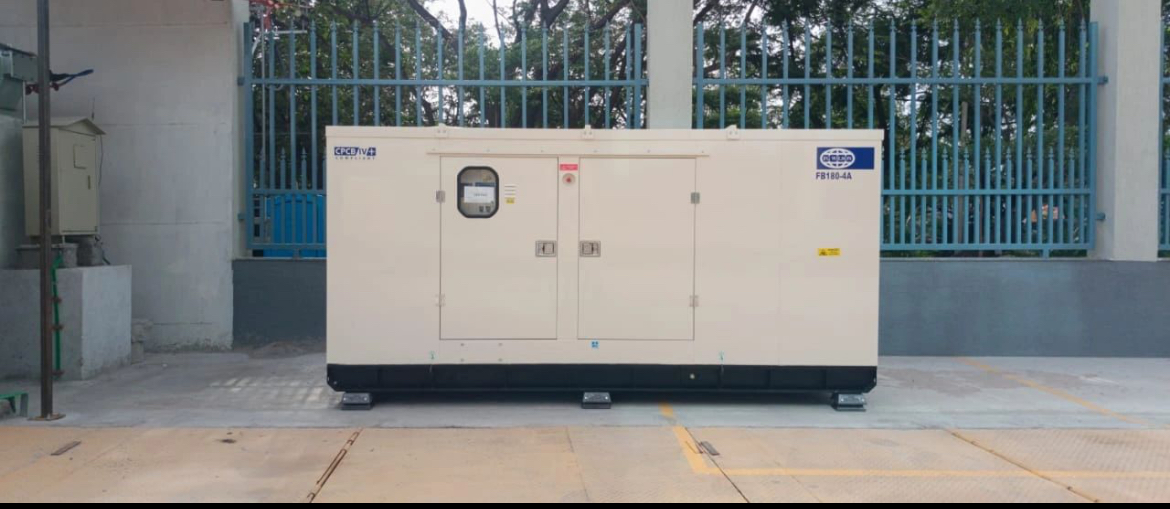
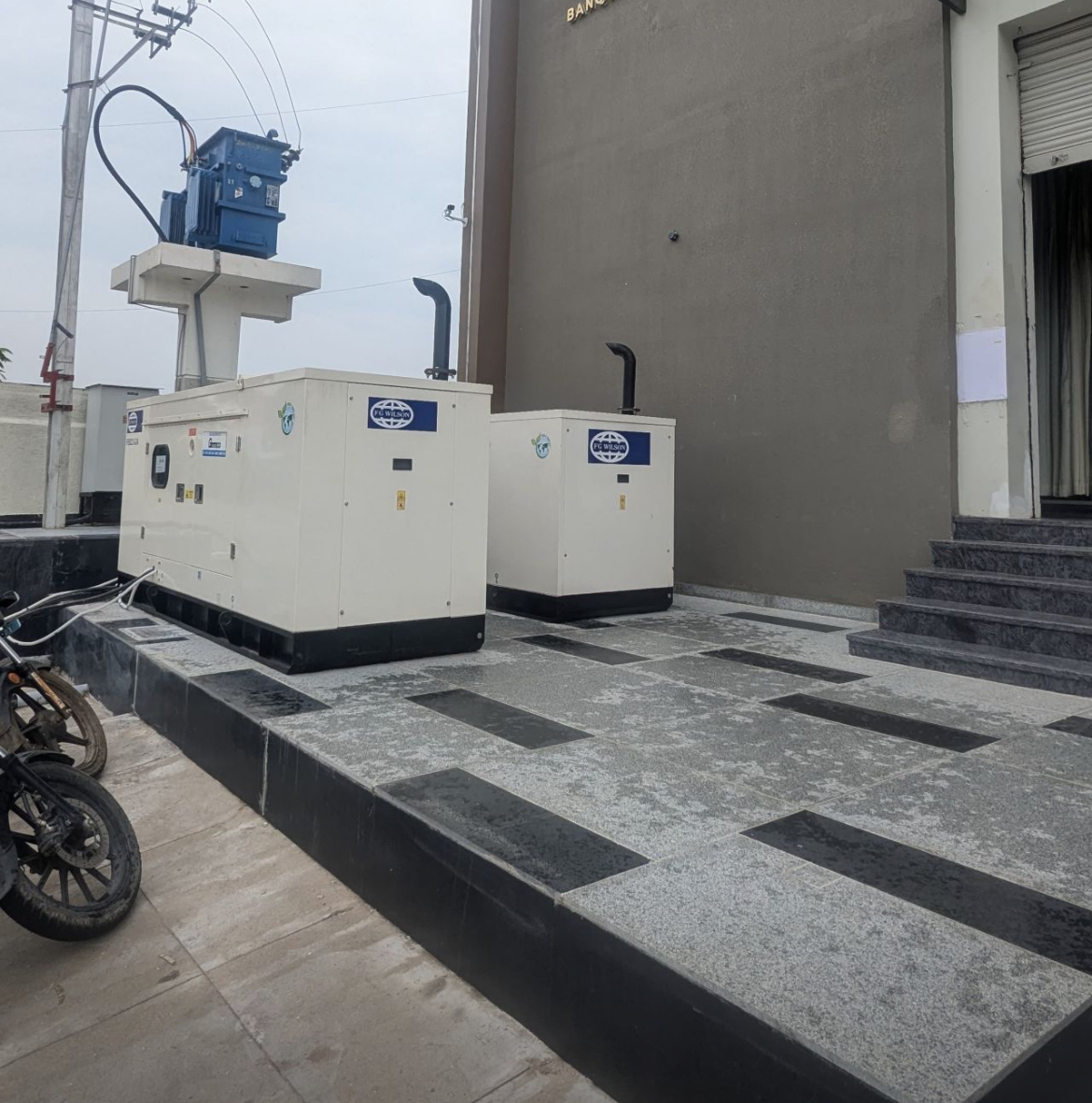
Outdoors Removes the Generator Room—but Adds the Environment.
Outdoor systems may face:
- sun
- rain
- dust
- corrosion
- flooding
- nearby occupants
- security risks.
SITE SELECTION
Consider:
Related photographs and videos
More related media (1)
Drainage
Can water accumulate?
Airflow
Are inlet/outlet paths obstructed?
Exhaust
Where will gases discharge?
Noise
Who is nearby?
Access
Can service vehicles and technicians reach the machine?
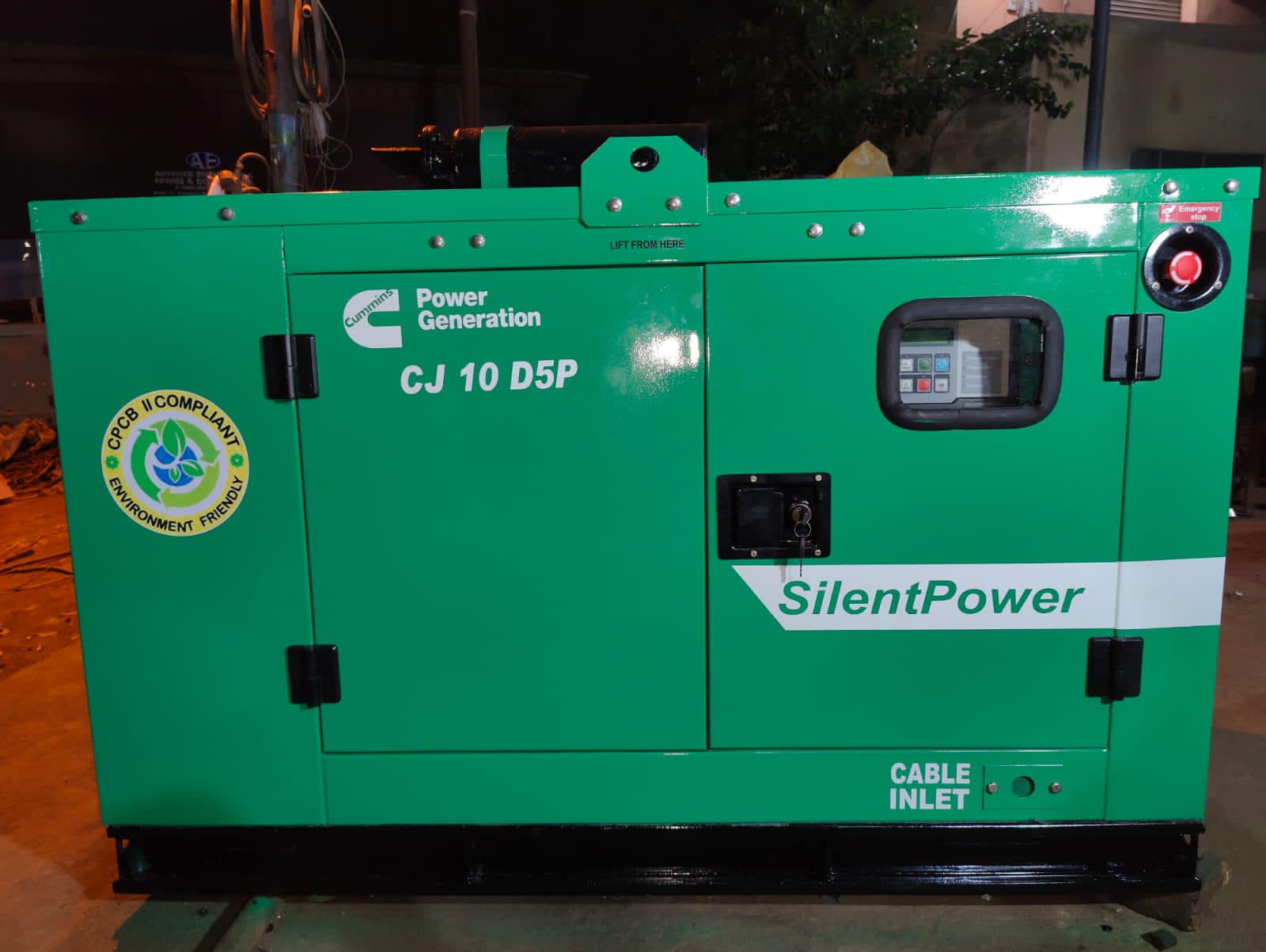
Outdoor installation is environmental engineering—not simply placing the generator outside.
Engineering intent
Outdoor Generator Installation should be evaluated as part of the complete power system rather than as an isolated catalogue item. Operating duty, connected load, interfaces, protection, controls, installation conditions, testing requirements and lifecycle consequences determine whether the arrangement is appropriate.
Engineering considerations
Do not assume that emissions aftertreatment provides the same attenuation as the original acoustic design. Where site noise limits matter, reassess the complete acoustic path. rain • water ingress • corrosion • UV exposure of auxiliary components • wind loading • drainage • enclosure/IP requirements • condensation. Outdoor suitability must come from the actual product/system design. Do not infer outdoor suitability merely because the device is installed on an outdoor generator. If the RECD system requires electrical power, define: source • voltage • phase where applicable • load • protective device • isolation • cable • earthing/bonding • power-failure behaviour. The auxiliary source should be selected so that the system behaves predictably during: generator starting • generator stopping • emergency operation • maintenance • control-power loss.
Selection and design considerations
A canopy inside a room creates a room-within-a-room airflow problem. Open generators place more responsibility on the room. The room must provide the protective and airflow environment that a factory enclosure may otherwise help manage. For open-generator installations, ventilation engineering is not optional. The building becomes part of the generator package. If multiple generators operate in the same room, evaluate: Do not size the room for one machine if two or three may operate together. Design should not rely on ideal conditions that disappear during real operation. Basement or internal rooms can create special airflow challenges: A basement generator room requires strong attention to air path and serviceability. Even outdoor generator yards can have ventilation problems.
Integration and protection considerations
Hot-air recirculation can happen inside or outside the room. Hot discharge air does not leave the room cleanly and mixes back toward the generator intake. Hot air exits the room but is pulled back through the air inlet because of poor outlet/inlet positioning. A common mistake is to focus only on inlet and outlet size. Ventilation engineering must study geometry, not only area. Every louver, bend, duct, mesh, filter and attenuator adds resistance. If the airflow path resistance becomes too high, the radiator fan may not move the required air. The design should compare the installed air path against actual fan/static-pressure capability. Louvers protect the room from weather and can support acoustic/security needs.
Testing, commissioning and verification
If so, those auxiliaries become part of the reliability architecture. What happens if the fan or pump fails? For forced-cooling systems, define the intended response to loss of cooling: alarm • reduced permissible load • trip • other manufacturer-defined action. Liquid cooling does not make equipment independent of ambient temperature. Ultimately, heat still has to leave the stabilizer and enter the surrounding environment. An oil-cooled stabilizer can reject substantial heat into its room. Oil moves heat internally; the installation still needs to reject that heat externally. Oil-cooled architecture may be considered for some outdoor applications, but outdoor suitability must be verified for the actual equipment. IP/enclosure • rain • solar heating • dust • humidity • corrosion • drainage • maintenance access • fire/environmental requirements.
Operating and lifecycle considerations
room temperature • ventilation • dust • access • noise • fire strategy • maintenance clearance • cable routing. An enclosed unventilated room can be a worse thermal environment than a correctly engineered outdoor enclosure. rain • solar loading • dust • humidity • insects/vermin • corrosion • enclosure ingress protection • ventilation strategy. Do not convert standard indoor equipment into “outdoor equipment” simply by installing a canopy. For outdoor or rooftop installations, direct sunlight can heat the enclosure above ambient air temperature. running current • starting current • starting method • acceleration time • starts per hour. An air-cooled stabilizer may carry the motor satisfactorily at steady load but still require specific transient capability during starting. The broader Reddy power-system material confirms that motor starting must be evaluated separately from normal running demand because it can produce significant voltage and system effects. B.A. (22-7-26) Ele Calculations.docxDOCX
Decision and application considerations
3.0 → 3.6 → 4.5 → 6.2 in a monitored condition metric while peers remain stable. The trend can be more informative than a single absolute value. Do not use building outdoor temperature as a substitute for actual battery environment. A battery string can experience unequal temperatures because of: poor airflow • cabinet location • HVAC discharge • nearby heat source.
Engineering considerations
But this benefit disappears if the room is too small. A generator surrounded by walls with inadequate clearance can become more difficult to maintain than an enclosed generator installed correctly outdoors. Service accessibility must be engineered into the room layout before installation. The Room Is an Operating System — Not Merely a Shelter A generator room should perform several functions simultaneously. A room that performs only one of these functions well may still create an unreliable installation. A Generator Produces Electricity — And a Large Amount of Heat Heat must be removed while the generator is operating. A generator can be correctly selected for the electrical load and still experience:
Direct answer
Outdoors Removes the Generator Room—but Adds the Environment. Outdoor systems may face: sun rain dust corrosion flooding nearby occupants security risks.
The practical decision for Outdoor Generator Installation should be based on verified load, equipment, interface and site information. Where equipment-specific data, regulatory applicability or a project study is required, this guidance does not replace that verification.