
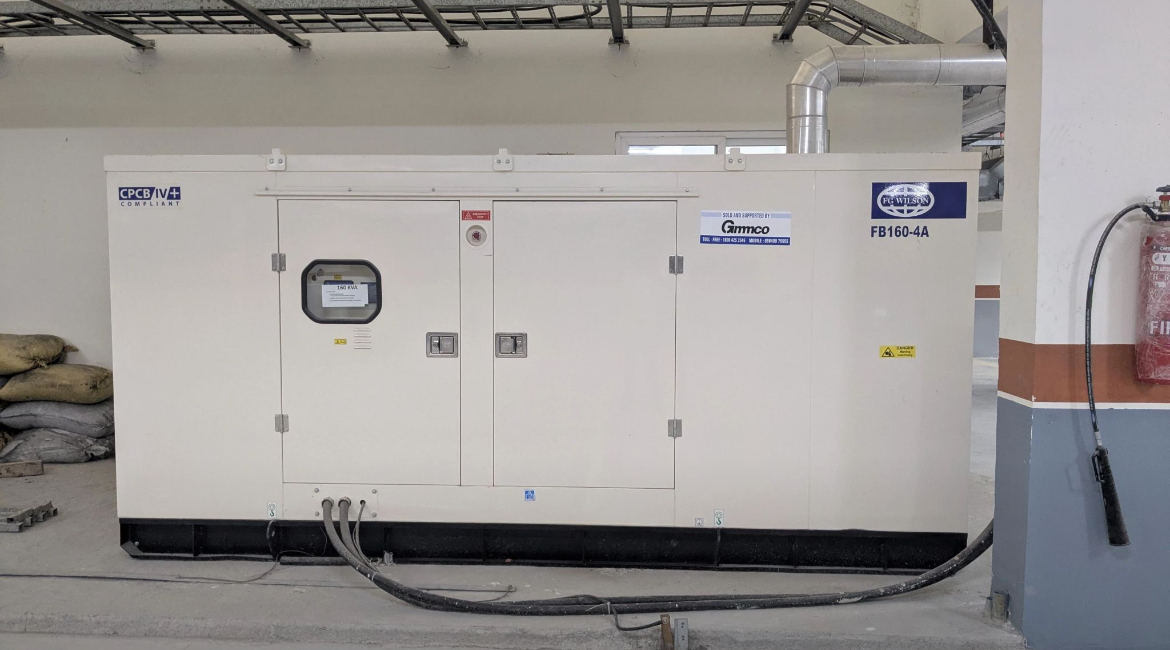
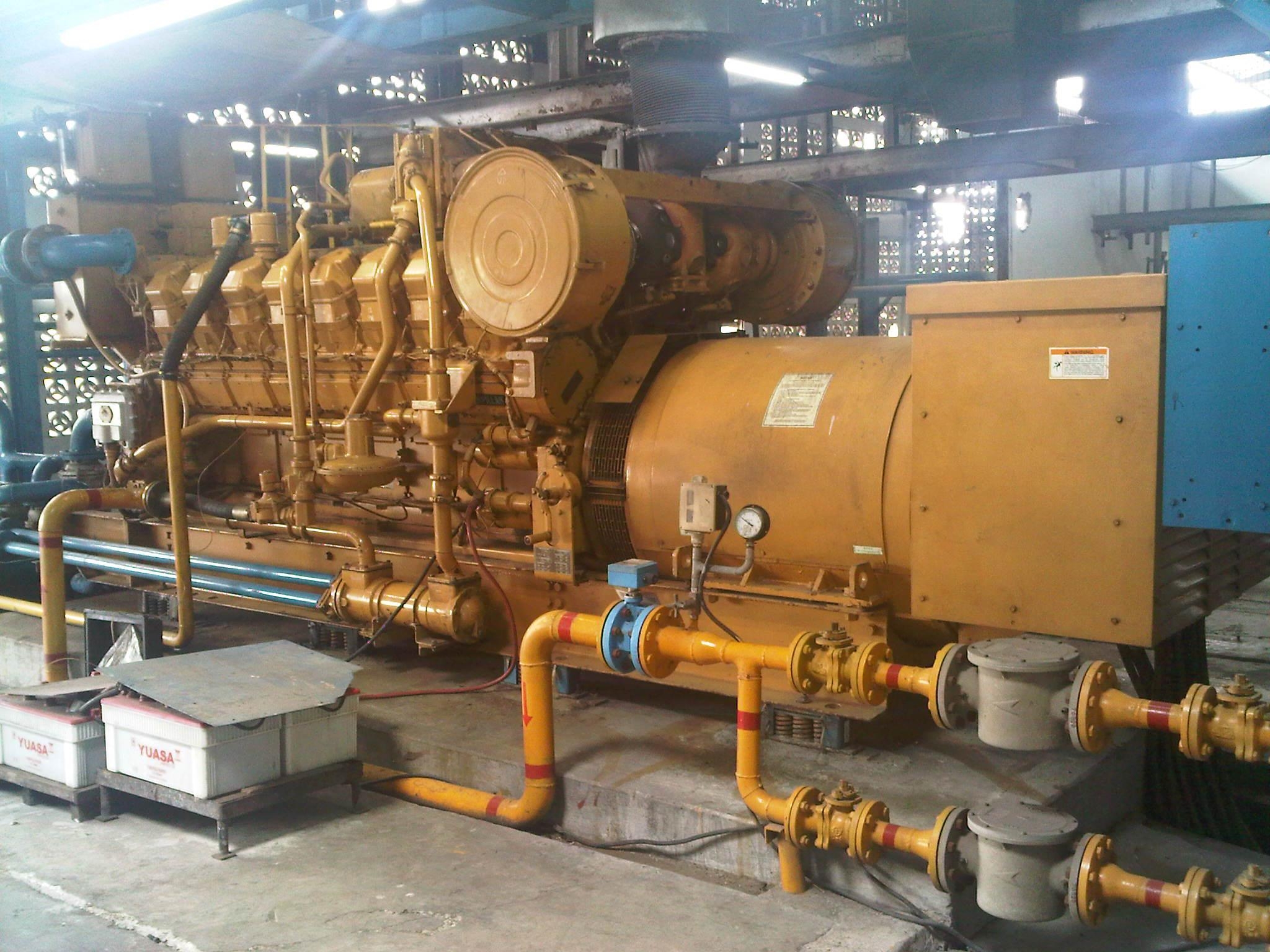
Indoors, the Room Becomes Part of the Cooling and Safety System.
A generator room must manage:
- incoming air
- radiator discharge
- combustion
- exhaust
- heat
- fuel
- noise
- service access.
THE CORE RISK: HEAT RECIRCULATION
Hot discharged air returning to the radiator can increase operating temperature even when the generator itself is correctly specified.
Related photographs and videos
ENGINEERING INPUTS
- OEM airflow
- heat rejection
- allowable pressure loss
- room temperature
- louver resistance
- exhaust route
- maintenance space.
An indoor generator is only as reliable as the environment built around it.
Engineering intent
Indoor Generator Installation should be evaluated as part of the complete power system rather than as an isolated catalogue item. Operating duty, connected load, interfaces, protection, controls, installation conditions, testing requirements and lifecycle consequences determine whether the arrangement is appropriate.
Engineering considerations
flanges • gaskets • clamps • welded joints • flexible connections • sensor ports • inspection ports. personnel exposure • heat damage • contamination • false sensor behaviour • fire/safety concerns. Leak inspection belongs in commissioning—not merely workmanship inspection. Hot RECD/exhaust surfaces may require appropriate insulation or guarding. surface temperature • personnel access • maintenance routes • adjacent cables • hoses • combustible materials • enclosure surfaces. radiated heat • ventilation airflow • radiator discharge • combustion air • recirculation • room temperature • pressure differential. A retrofit should not inadvertently obstruct airflow or increase room temperature beyond the generator package’s allowable operating conditions. RECD installation engineering and generator-room ventilation engineering are connected—but they are not the same calculation. If the exhaust configuration changes, acoustic performance may also change.
Selection and design considerations
A large louver opening does not prove adequate airflow. Opening size is only one part of the engineering question. as applicable to the actual generator and room design. The inlet should be located and sized using project/equipment data. Do not use one universal inlet-area rule for all generator rooms. Radiator hot air should leave the room effectively. The room should guide hot air out, not merely hope it escapes. Hot-air recirculation occurs when radiator discharge air returns toward the generator inlet. The result can be overheating or derating risk. Ducting must support radiator airflow, not strangle it. Generator room design should consider combustion-air requirements in addition to cooling-air and heat-rejection needs.
Integration and protection considerations
Standby, prime, critical, replacement, expansion or rental support. Cool air in, hot air out, no recirculation. DO NOT FINALISE THE ROOM DESIGN FROM kVA ALONE. First define the candidate equipment data, room conditions and project duty. A generator room is a heat-rejection system with a generator inside it. A Generator Room Is a Heat-Rejection System Before It Is a Room. A diesel generator does not only produce electrical power. If the room cannot remove heat and supply air correctly, the generator can become unreliable even when the generator itself is correctly selected. CAN COOL AIR ENTER, HEAT LEAVE, COMBUSTION AIR BE SUPPLIED, AND HOT AIR BE PREVENTED FROM RETURNING TO THE GENERATOR?
Testing, commissioning and verification
The generator room must deal with the heat that remains in or passes through the room. This equation explains the relationship between heat, airflow and temperature rise. But final generator-room airflow should use actual manufacturer heat-rejection and airflow data.
| Room ventilation | Removes heat released into the room |
|---|---|
| Exhaust-area support | Helps manage heat around exhaust components |
These functions overlap, but they should not be casually merged into one generic airflow number. Cooling air is required to remove heat through the radiator or cooling system. A radiator fan is not a magic solution. It still needs a workable inlet and outlet path. A generator room must allow sufficient replacement air for combustion as part of the total air system.
Operating and lifecycle considerations
Can radiator discharge air leave the room without returning to the radiator inlet? Hot-air recirculation can increase radiator inlet temperature and reduce cooling margin. The radiator air path should therefore be engineered deliberately. Louvers, attenuators, ducts, grilles and screens all add resistance. The fact that an opening appears physically large does not automatically mean the airflow path is adequate. Required Airflow → Available Opening → Resistance → Fan Capability → Room Pressure → Heat Rejection Final ventilation requirements should follow the applicable generator/manufacturer data and site conditions. Certain open-generator projects may use remote or alternative cooling arrangements where supported by the equipment design. These configurations can create additional engineering requirements involving: A remote radiator should not be assumed compatible with every generator package.
Decision and application considerations
A louver chosen only by wall size may not be suitable. Ducts can help direct hot radiator air outside the room. The duct should help the radiator discharge air, not suffocate it. Where the radiator discharge connects to ducting, a flexible connection may help accommodate vibration and movement. The connection should also prevent hot air from leaking back into the room. Rigid or poorly sealed duct interfaces can create vibration and recirculation issues. Actual detail depends on generator and room design. A quiet generator room that overheats is not a successful design. Acoustic louvers, splitters, silencers, barriers and room treatments must be checked against the generator’s airflow requirement.
Engineering considerations
If the room cannot reject the stabilizer’s heat, room temperature rises. For multiple electrical devices, total room heat rejection can include: stabilizer • UPS • transformers • switchgear/control equipment • lighting • other heat sources. The HVAC/ventilation designer should use verified equipment heat-loss data. Do not estimate room cooling from stabilizer kVA alone. Forced ventilation is useful only when air moves through the intended thermal path. blocked intake → recirculated hot exhaust → inadequate clearance → dead-air zones. cool-air entry → heat pickup → hot-air discharge → removal from room. If hot discharge air is immediately drawn back into the equipment: Therefore equipment placement and room airflow should be considered together. air intakes • exhaust outlets • service panels • doors • cable areas.
Direct answer
Indoors, the Room Becomes Part of the Cooling and Safety System. A generator room must manage: incoming air radiator discharge combustion exhaust heat fuel noise service access.
The practical decision for Indoor Generator Installation should be based on verified load, equipment, interface and site information. Where equipment-specific data, regulatory applicability or a project study is required, this guidance does not replace that verification.