
Hoses, belts and seals must suit the location, dimensions, material requirements and operating conditions of the relevant assembly. Identify the equipment and existing part reference wherever possible. A visually similar item may not be suitable for the same fluid, temperature, movement or mechanical arrangement. The applicable manufacturer specification remains the basis of the match.
Retain evidence of the failure
Leakage, cracking, wear or repeated replacement can indicate a problem with installation, alignment, operating conditions or surrounding components. Describe where the deterioration occurred and include useful photographs. The condition of the removed item can help determine whether the enquiry is a routine replacement or part of a wider repair.
Treat deterioration as a clue
Retain information about the condition and reason for replacing a hose, belt or seal. The component match matters, but repeated damage can also point to a maintenance or operating problem that needs investigation.
Related photographs and videos
Check what the repair requires
Confirm whether associated clamps, fittings, tensioning components or other items are included where the applicable procedure requires them. Keep the component references and work record together. After replacement, verify the relevant operating function and inspect for unresolved issues under the agreed conditions. Stock and compatibility require confirmation for the identified requirement.
Find My Generator Part
Spare Parts Enquiry. Share the application, location and information available so the next discussion can address your actual requirement.
Related guidance
Engineering intent
Hoses, Belts & Seals should be evaluated as part of the complete power system rather than as an isolated catalogue item. Operating duty, connected load, interfaces, protection, controls, installation conditions, testing requirements and lifecycle consequences determine whether the arrangement is appropriate.
Compatibility before supply
Selection should begin with exact generator, engine, alternator, controller or switchgear identity and the available model, serial and part-reference information. Physical similarity alone does not establish compatibility.
Engineering considerations
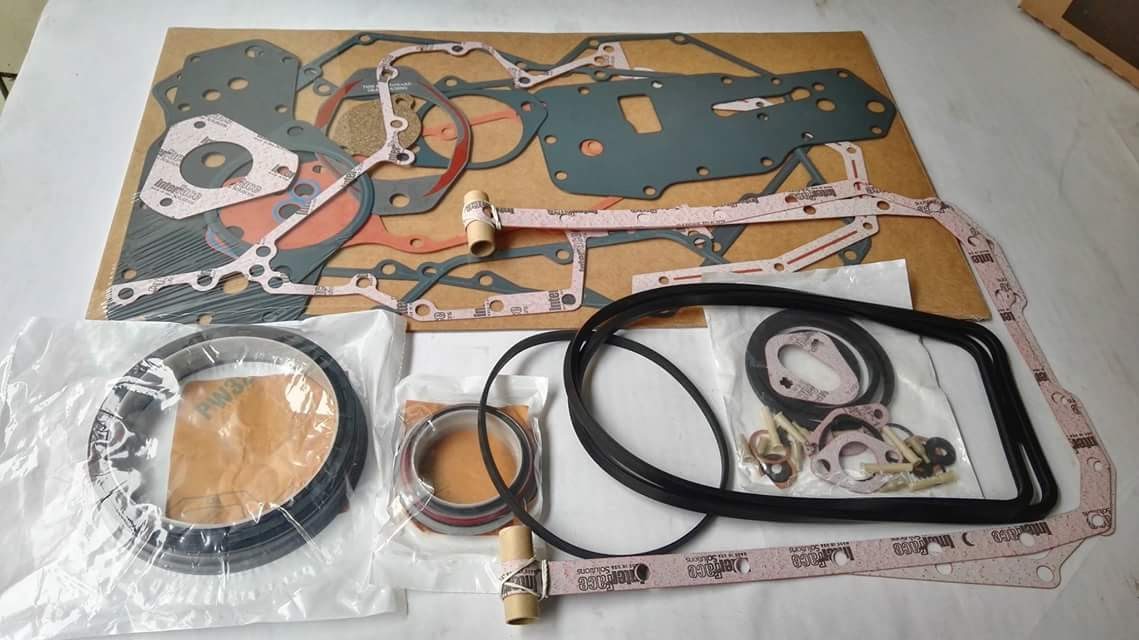
Belts transmit mechanical power and may drive cooling or charging equipment. A failed belt can therefore affect other generator functions. Confirm compatibility, condition, supply source, availability and commercial terms before ordering. For wider engine work, define the overhaul scope from equipment identity, inspection and measurements; purchasing a large kit does not establish that every included part is required.
Selection and design considerations
The cooling system depends on the correct fluid condition and specification. Coolant selection can involve manufacturer requirements relating to: Generator Consumables must not recommend one generic coolant for every generator. Do not blindly top up one unknown chemistry with another. Batteries are technically components rather than fluids/filters, but commercially they can form part of recurring lifecycle replacement planning. Generator Consumables should only include batteries as a service-planning category, avoiding duplication. Generator Consumables may reference applicable belt/hose inspection or scheduled replacement where the engine manufacturer requires it. It should not turn the consumables page into a second Hoses, Belts & Seals catalogue. Your aftertreatment source explains that modern diesel systems can integrate DOC, DPF, DEF dosing, SCR, sensors and control logic.
Integration and protection considerations
Preventive replacement should follow equipment requirements and actual condition. A small repair does not automatically require a complete kit. A ruptured hose or shredded belt may retain evidence of the failure cause, so record its condition and check the associated system. For an enquiry, identify the hose, belt, seal, gasket, clamp or other component; describe leakage, rupture, cracking, swelling, slipping or repeated failure. Stocking decisions should consider failure consequence, lead time, fleet commonality, storage life and service frequency. Confirm exact fitment and source before ordering.
Testing, commissioning and verification
Filters • belts • hoses • sensors • pumps • injectors • gaskets • turbo-related components • overhaul parts AVR • diodes • rectifier assembly • bearings • exciter • PMG-related components • terminals Starter motor • charging alternator • battery charger • battery-related components • solenoids • relays Controller • display • I/O module • communication module • sensors • transducers Circuit breaker • relay • CT • meter • contactor • fuse • protection component Transfer-switch components • control modules • synchronising components • breaker accessories Filters • pumps • valves • hoses • water separators • level components Radiator components • fan • belts • thermostat • water pump • hoses • coolant sensors Flexible connections • silencers • mounts • anti-vibration components • doors • latches • enclosure hardware Engine manufacturer → Model → Serial number → Build/specification/arrangement reference, if available → Existing part number → Photographs The attached generator specification illustrates why this matters: its complete generator package separately identifies engine, alternator and control equipment, while the engine itself has its own model and technical configuration.
Operating and lifecycle considerations
A useful parts strategy is not limited to responding after a breakdown. the source maintenance agreement provides an example of structured inspection covering batteries, cables, belts, hoses, coolant, USE CONDITION AND MAINTENANCE INFORMATION TO ANTICIPATE PARTS REQUIREMENTS BEFORE THEY BECOME OUTAGES. Failure probability × consequence × procurement lead time × redundancy × repair time A low-cost component with a long procurement lead time can deserve more attention than an expensive component readily available locally.
Direct answer
Hoses, belts and seals must suit the location, dimensions, material requirements and operating conditions of the relevant assembly. Identify the equipment and existing part reference wherever possible.
The practical decision for Hoses, Belts & Seals should be based on verified load, equipment, interface and site information. Where equipment-specific data, regulatory applicability or a project study is required, this guidance does not replace that verification.