
When the Generator Becomes Part of the Building or Plant, the Installation Becomes Part of the Generator.
A stationary generator is designed around a defined permanent location.
Related photographs and videos
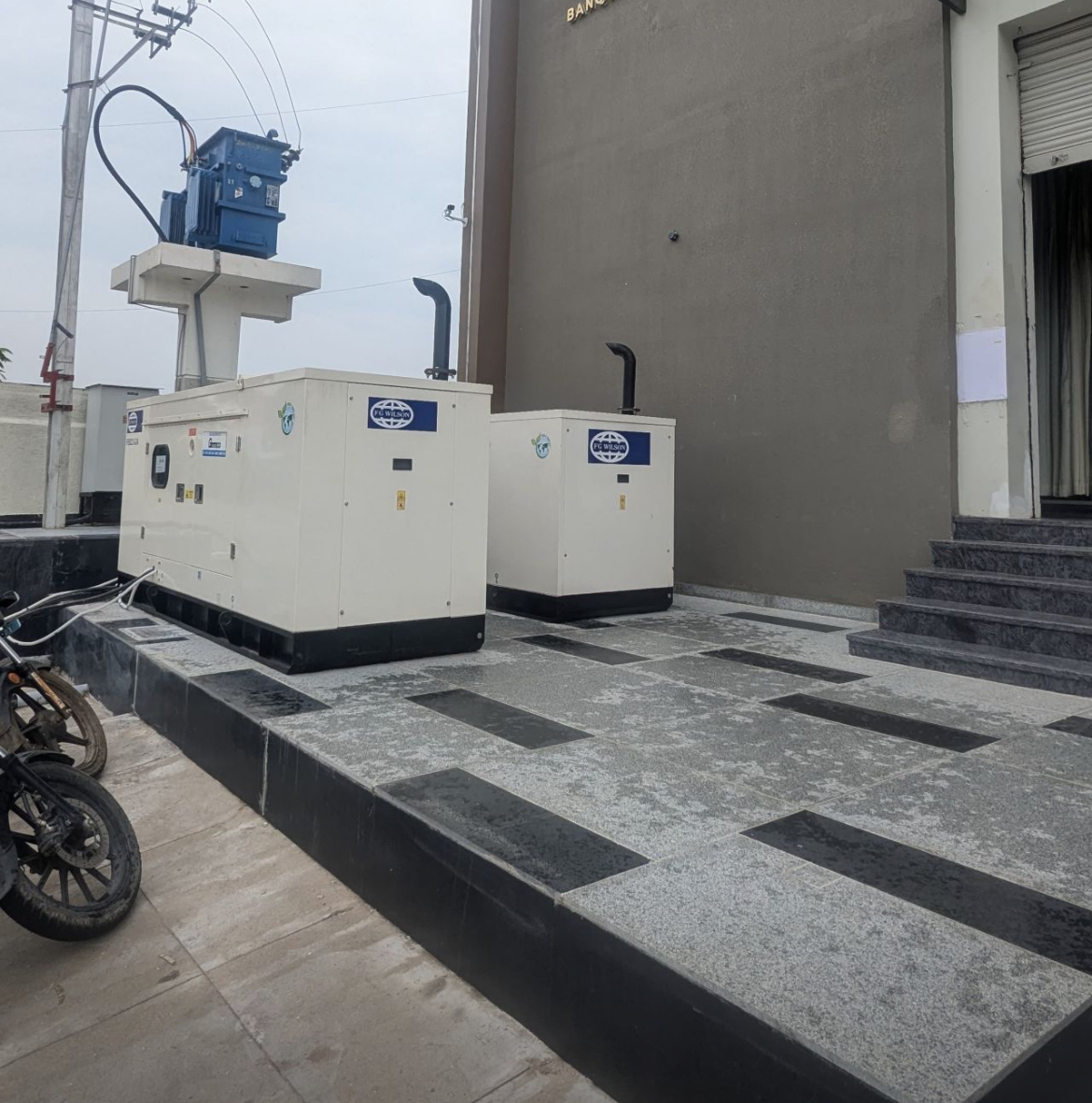
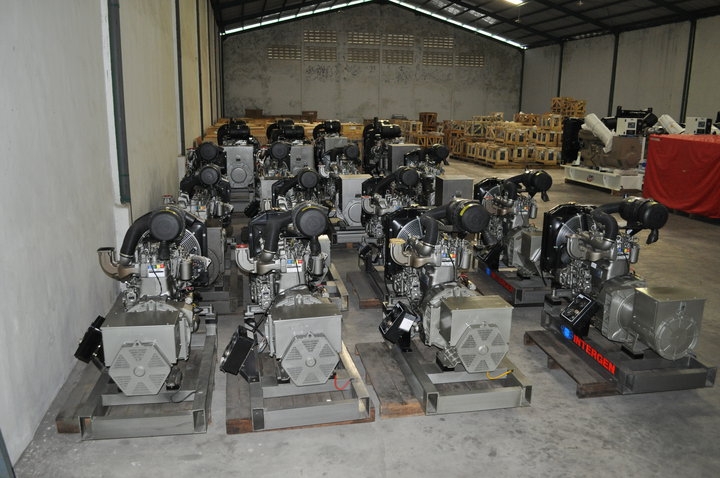
More related media (1)
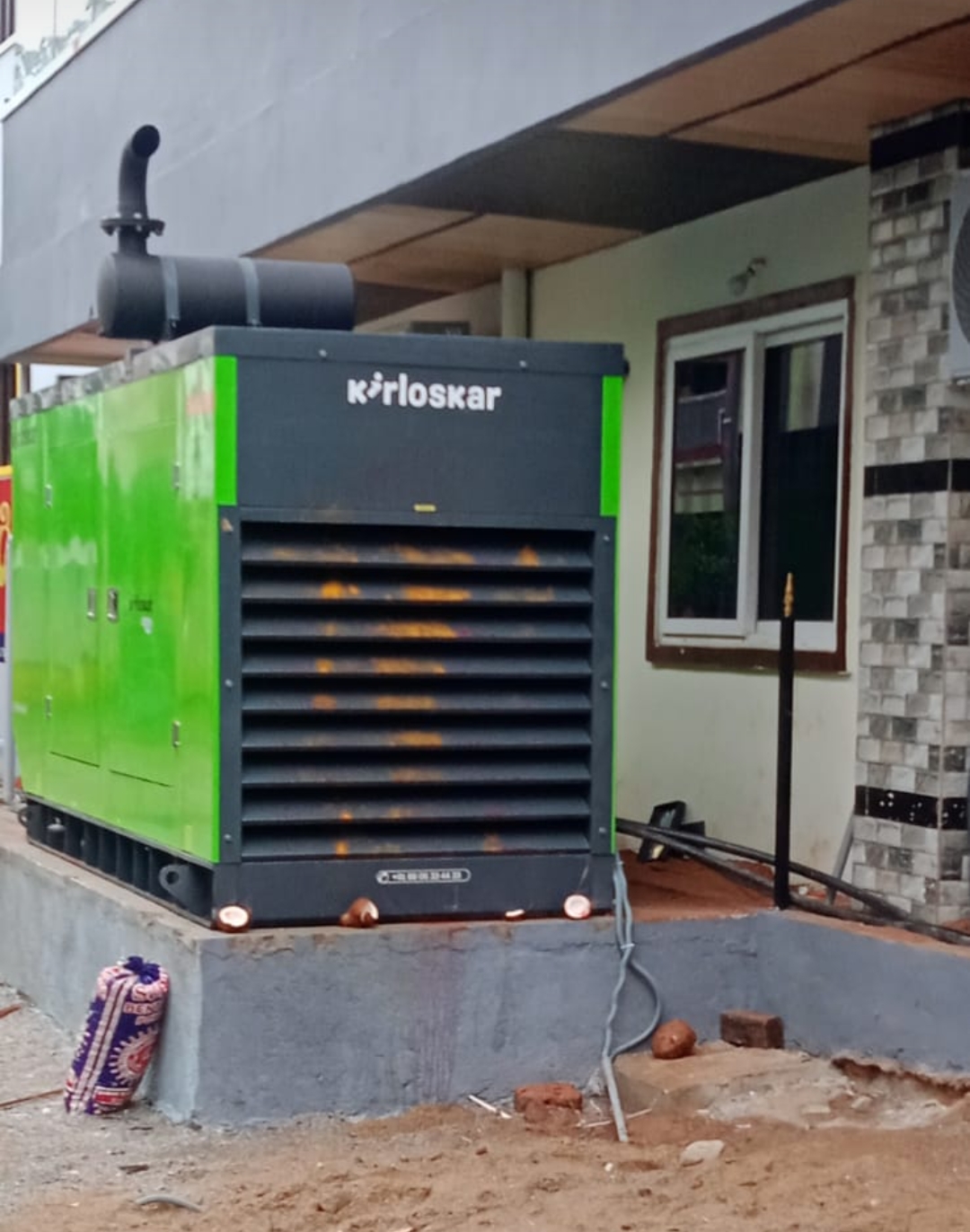
Where will we place the machine today?
to:
How will this asset remain integrated with the facility for years?
STATIONARY POWER ARCHITECTURE
A permanent installation may involve:
GENERATOR
- FOUNDATION
- FUEL
- VENTILATION
- EXHAUST
- CONTROLLER
- BREAKER
- ATS / SWITCHGEAR
- CABLE / BUS
- BUILDING OR PROCESS LOAD
Every interface must be considered.
WHY PERMANENT LOCATION MATTERS
Stationary systems allow infrastructure to be engineered around the machine.
That can include:
- dedicated generator room
- permanent outdoor enclosure
- bulk fuel storage
- permanent exhaust system
- fixed switchgear
- automated transfer
- synchronisation
- remote interfaces.
But the permanence also increases the importance of getting the system architecture correct before construction is completed.
DESIGN INPUTS
Site
Indoor or outdoor?
Duty
Standby, prime or another verified rating?
Load
Steady, motor-heavy, nonlinear or mixed?
Autonomy
How long must the facility operate?
Service Access
Can major maintenance be performed safely?
Future Expansion
Will generator capacity, switchgear or fuel infrastructure need to grow?
A STATIONARY GENERATOR SHOULD BE SERVICEABLE
Design should not trap the generator in a room that makes:
- radiator cleaning
- battery replacement
- filter changes
- injector work
- alternator access
- major engine work
- impractical.
A permanent generator should be engineered for the day it is installed—and the years it must remain maintainable.
Engineering intent
Stationary Generator Sets should be evaluated as part of the complete power system rather than as an isolated catalogue item. Operating duty, connected load, interfaces, protection, controls, installation conditions, testing requirements and lifecycle consequences determine whether the arrangement is appropriate.
Engineering considerations
Multiple open generator sets can be arranged within a dedicated power house and operated in parallel. At this point, the generator room becomes part of a power plant, not merely a place where generators are parked. Generator-room safety should be integrated with the project design. Actual requirements depend on jurisdiction, facility type and project design. The exact shutdown actions should follow the generator and facility safety design. Can major components be removed if overhaul becomes necessary? These questions should influence room dimensions and equipment positioning before installation. The room should not make such lifecycle work physically impossible. A generator room designed only for initial installation can create major future cost.
Selection and design considerations
Sizing, room design, ventilation, exhaust, fuel, cables, earthing or commissioning. A generator room is a heat-rejection system with a generator inside it. With an open generator, the building becomes part of the generator package. The Generator Room Is Not Empty Space Around a Machine. It Is Part of the Power System. A diesel generator room must do more than contain the generator. A generator can be correctly sized, correctly purchased and correctly delivered — but still become unreliable if the room around it cannot support operation. A Generator Room Should Be Designed Around Operation — Not Just Occupancy. Generator room design is the coordination of the physical, mechanical, electrical, thermal, acoustic and maintenance conditions required for a generator installation.
Integration and protection considerations
Service individual generators without necessarily shutting down the whole generation plant. Operate fewer generators during low-demand periods and add sets as demand rises. Increase or reduce installed capacity as the project changes. Synchronization → Load Sharing → Bus Protection → Generator Sequencing → Load Shedding → Controls → Communications It should therefore be engineered as a power plant—not simply assembled from multiple generator sets. When multiple generators operate on a common bus, the system must correctly manage both real and reactive power. Real-power sharing is primarily influenced through engine/governor control. Reactive-power and power-factor behaviour are primarily influenced through excitation and AVR control. Extended Runtime Makes Fuel a System-Level Design Issue In standby applications, fuel may be required only during occasional outages.
Testing, commissioning and verification
Large-power requirements can be permanent, project-based or temporary. For temporary systems, modular synchronized plants can offer the ability to add or remove capacity as requirements change. Load flow, motor starting, voltage drop, fault level and protection coordination as required. When power requirements move into multi-megawatt territory, generator selection becomes only one part of the engineering problem. Multiple Generators → Generator Breakers → Synchronising Bus → Power Management → Transformers → HT/MV & LT Switchgear → Distribution → Protection → Earthing → Fuel Infrastructure → SCADA → Critical Loads At this scale, reliability depends on how every subsystem behaves together. • supporting maintenance without unnecessary loss of total plant capacity; A multi-megawatt system should therefore be engineered as a power plant, not assembled as a collection of independent generator sets.
Operating and lifecycle considerations
Retrofitted Emission Control Devices for Diesel Generator Sets DO NOT SELECT AN RECD BY GENERATOR kVA ALONE. A Retrofitted Emission Control Device—RECD—is an exhaust-emission-control system engineered for retrofit to an existing generating-set engine application under an applicable certification and regulatory framework. A DG set may have the right nominal capacity yet still be unsuitable for a particular RECD because the relevant engineering variables include: engine family • engine model • certification basis • exhaust mass flow • exhaust temperature • permissible backpressure • operating load • duty cycle • exhaust geometry • physical installation • thermal environment • monitoring • maintenance requirements.
Direct answer
When the Generator Becomes Part of the Building or Plant, the Installation Becomes Part of the Generator. A stationary generator is designed around a defined permanent location.
The practical decision for Stationary Generator Sets should be based on verified load, equipment, interface and site information. Where equipment-specific data, regulatory applicability or a project study is required, this guidance does not replace that verification.