
Exhaust backpressure depends on the installed path, including the relevant piping, silencers and other components. The assessment should use the engine manufacturer’s applicable limit and the proposed arrangement. A component considered alone may not represent the resistance of the complete system.
Keep the design basis equipment-specific
Engine configuration, operating duty and exhaust-system details affect the review. Record the data used and identify any later changes to routing or components. Do not transfer a limit or accepted arrangement from another engine without confirming its applicability.
Excessive backpressure can affect
- engine performance
- temperatures
- combustion
- output
Confirm the installation against the agreed requirement
Where measurement is part of acceptance, the location, operating condition and method should follow the applicable technical requirements. Retain the results and final arrangement in the handover record. Exhaust work also needs the appropriate installation and site review beyond the backpressure calculation itself.
Related photographs and videos
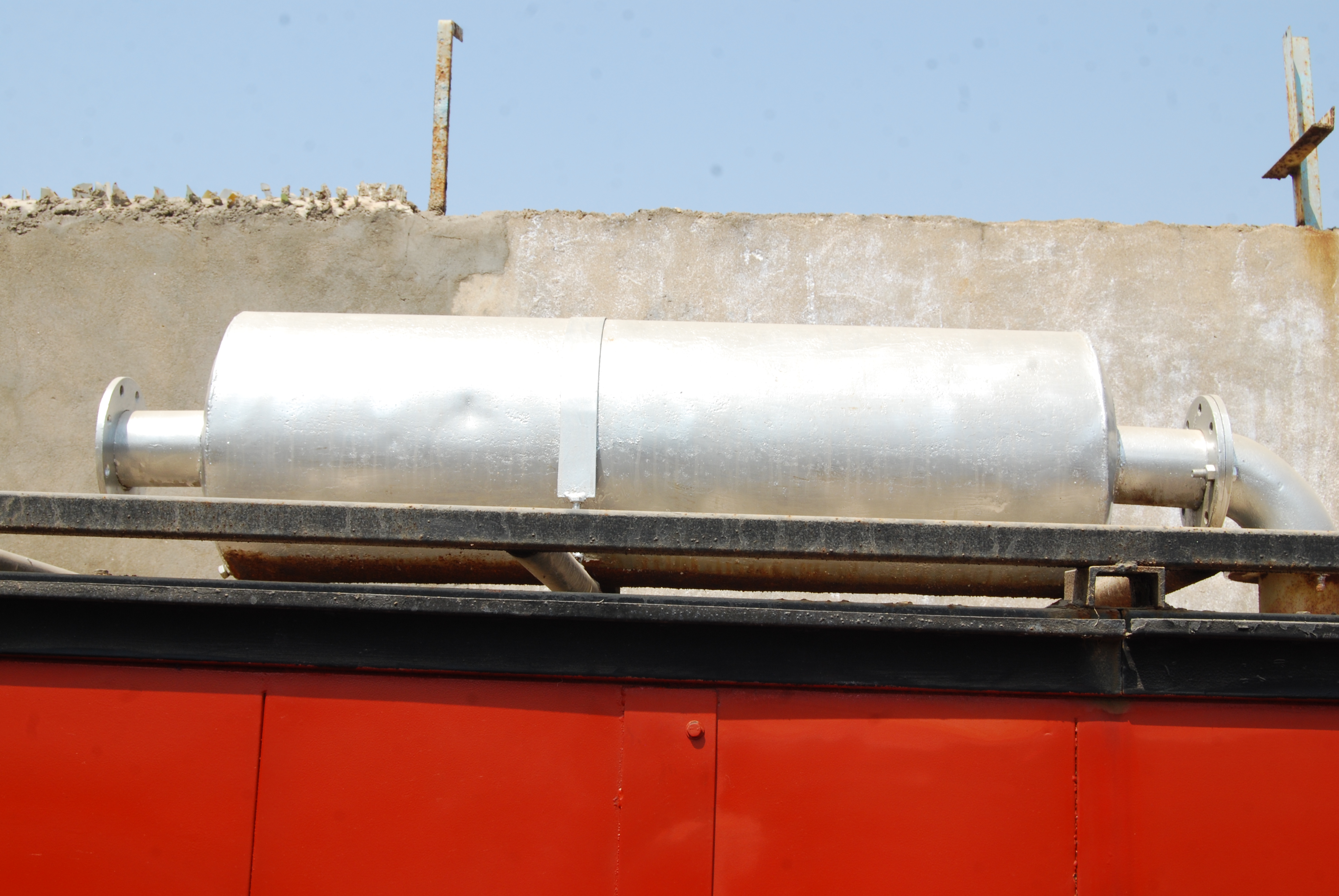
Start Engineering Review
Start Engineering Review. Share the application, location and information available so the next discussion can address your actual requirement.
Related guidance
Engineering intent
Exhaust Backpressure should be evaluated as part of the complete power system rather than as an isolated catalogue item. Operating duty, connected load, interfaces, protection, controls, installation conditions, testing requirements and lifecycle consequences determine whether the arrangement is appropriate.
Engineering considerations
The exhaust system is therefore not a separate afterthought. It is one of the systems that determines whether the installed generator can perform as intended. Do not design an exhaust system from generator kVA alone. The correct limits should come from the selected engine/generator package. SAME kVA DOES NOT MEAN SAME EXHAUST SYSTEM Two generators with the same kVA can have different: Backpressure is the resistance the engine sees while pushing exhaust gases through the exhaust system. If restriction becomes excessive, engine operation can be affected. Final design should follow the current equipment-specific manufacturer limit. “All generators must have exhaust backpressure below X.” Pipe diameter affects exhaust velocity and pressure loss.
Selection and design considerations
Where project scope and manufacturer requirements justify it, exhaust backpressure may need to be measured or verified under appropriate operating conditions. The result should be compared with the selected engine/generator manufacturer’s limit. Do not infer acceptable backpressure simply because the engine starts. A generator running briefly at no load may not reveal: Meaningful verification should match the required operating condition. Maintenance access should be considered during design, not after failure. Pipe weight or vibration stresses the engine connection. Nearby cables, fuel lines or personnel are exposed to unsafe heat. Exhaust reaches air intakes, occupied areas or sensitive receptors. Silencer or routing reduces noise but increases restriction too much. Water accumulates or enters where it should not.
Integration and protection considerations
The actual requirement depends on the engine/generator model. Do not assume a room that works in mild weather will perform under peak ambient conditions. The exhaust route should be planned before installation. The exhaust system must serve the engine, the room and the site. Excessive restriction in the exhaust path can adversely affect engine operation. Exhaust piping and silencers can introduce significant heat into or near the room. Generator noise can reach the environment through multiple paths: Generator room noise control must address the actual path.
Testing, commissioning and verification
The specific engine and cooling-system limits must be verified. Exhaust Must Leave Safely Without Restricting the Engine Open generator rooms commonly require a site-engineered exhaust system. Every restriction in the exhaust path creates pressure resistance. Excessive exhaust back pressure can adversely affect engine performance. Longer pipework and larger silencers are not automatically better. The completed exhaust system should remain within the relevant engine manufacturer’s permissible back-pressure limits. No universal maximum should be published across all generator models. Rigidly connecting exhaust pipework directly to the engine can transmit mechanical stress. Insulation, guarding and separation should reflect the specific project and applicable safety requirements.
Operating and lifecycle considerations
A pipe that is too small may increase restriction. A pipe that is too large may create other practical or installation issues depending on the system. Do not size exhaust pipe only by looking at the engine outlet connection. A shorter route is often desirable, but the shortest route is not always the safest or most practical route. A route with several tight bends can create greater restriction than a cleaner route with fewer directional changes. The exhaust route should be engineered, not improvised around obstacles. A more restrictive silencer is not automatically a better silencer. It must suit the engine and the acoustic target. An installation can reduce noise yet create excessive exhaust backpressure or cooling-air resistance.
Decision and application considerations
Do not assume one universal insulation requirement for every exhaust system. Exhaust piping or silencers located inside the generator room add heat to the room. That heat must be considered in the ventilation design. A room may have correct radiator airflow and still become hot because exhaust heat is not properly managed. The correct discharge point is a site-specific design decision. Exhaust recirculation can create both operational and safety concerns. The outlet direction and surrounding airflow conditions matter. Outlet height, direction and terminal arrangement should be determined by the actual site. Do not use one universal stack height across all projects.
Engineering considerations
The exhaust should be designed around actual engine/manufacturer limits and site conditions. A full fuel tank does not guarantee a reliable generator if fuel cannot be transferred or remains unsuitable. Use current equipment/manufacturer data at defined operating points where available. A correct generator in the wrong location can become the wrong installation. Site engineering should therefore consider lifecycle access—not merely the empty space available on installation day. A generator physically installed on site is not yet fully proven. Did the complete agreed power path behave as intended? This distinction separates equipment delivery from system commissioning. Do not use “installed” as a synonym for “proven.
Direct answer
Exhaust backpressure depends on the installed path, including the relevant piping, silencers and other components. The assessment should use the engine manufacturer’s applicable limit and the proposed arrangement.
The practical decision for Exhaust Backpressure should be based on verified load, equipment, interface and site information. Where equipment-specific data, regulatory applicability or a project study is required, this guidance does not replace that verification.
Related Reddy Generators pathways
- Power Engineering Centre
- Generator Finder
- Integrated Power Systems
- Industry Power Solutions
- Application Engineering Enquiry
Exhaust and aftertreatment engineering
Modern diesel exhaust systems can combine oxidation, particulate-control, selective catalytic-reduction and monitoring functions depending on the specific certified engine configuration. Exhaust temperature, total backpressure, sensor condition, regeneration behaviour and maintenance requirements must be evaluated against the actual engine and applicable compliance pathway.