
Noise Control Cannot Be Separated From Cooling, Exhaust and Access.
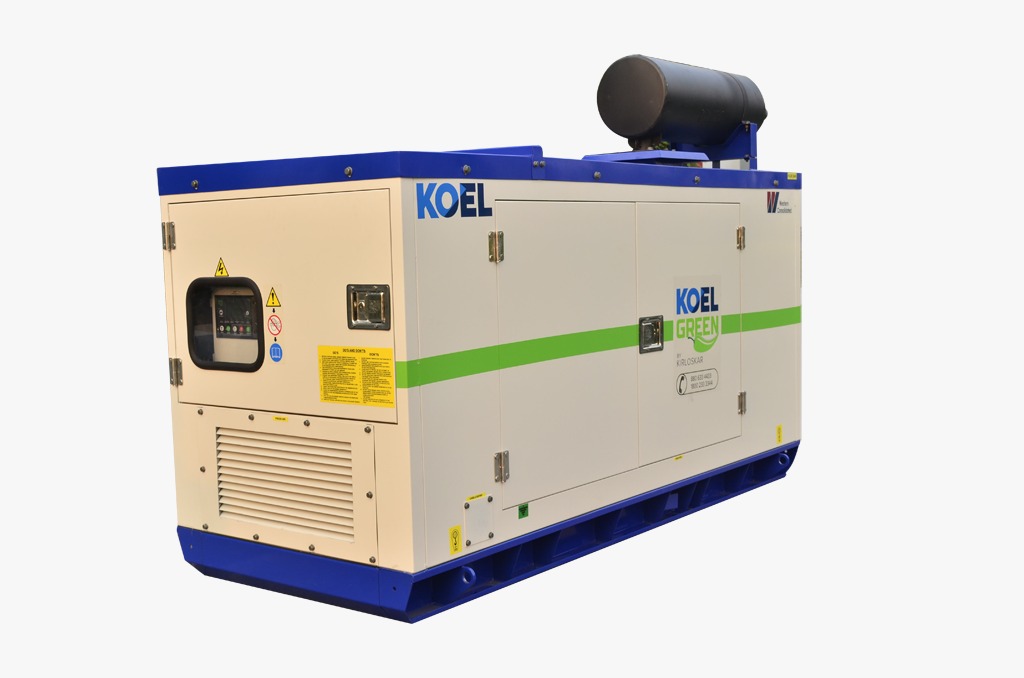
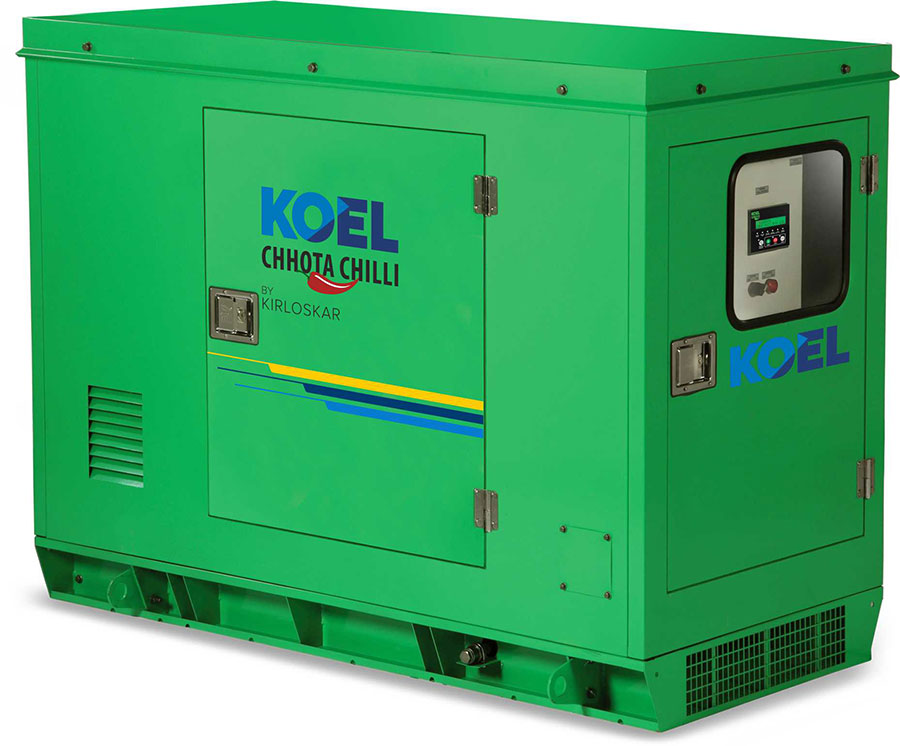
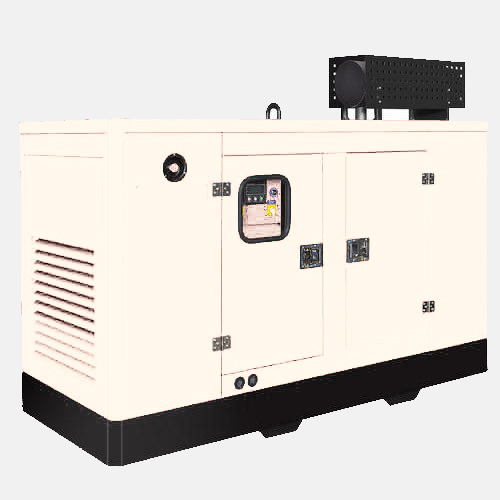
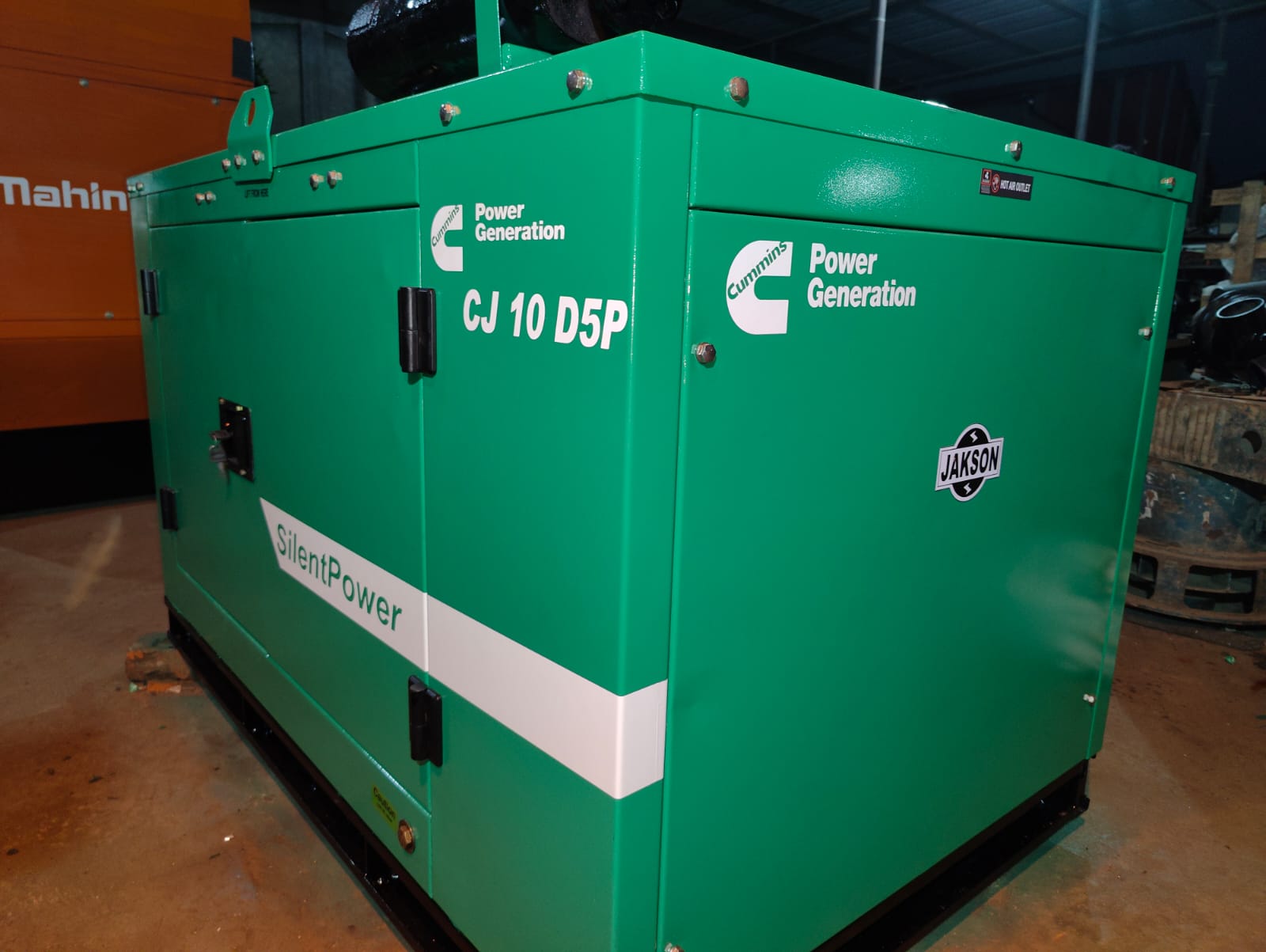
Acoustic enclosures package the generator within a controlled physical environment.
They can help manage:
Related photographs and videos
More related media (2)
- radiated noise
- weather exposure
- equipment security
- installation footprint.
But the enclosure must still allow the generator to:
- breathe
- reject heat
- discharge radiator air
- exhaust combustion gases
- remain serviceable.
ACOUSTIC PERFORMANCE IS SYSTEM PERFORMANCE
Noise can originate from:
- engine combustion
- cooling fan
- intake
- exhaust
- mechanical vibration
- alternator
- enclosure openings.
Reducing one pathway may increase restriction elsewhere.
ACOUSTIC RATINGS NEED CONTEXT
A meaningful acoustic statement should identify:
- sound metric
- operating load
- measurement distance
- environment
- test condition
- model/configuration.
A simple claim such as:
“75 dB silent generator”
is technically incomplete.
ENCLOSURE DESIGN VARIABLES
- inlet attenuation
- discharge attenuation
- exhaust silencing
- panel construction
- door sealing
- ventilation pressure loss
- corrosion protection
- maintenance access.
Quiet power still has to breathe.
Engineering intent
Acoustic / Enclosed Generator Sets should be evaluated as part of the complete power system rather than as an isolated catalogue item. Operating duty, connected load, interfaces, protection, controls, installation conditions, testing requirements and lifecycle consequences determine whether the arrangement is appropriate.
Engineering considerations
Reddy Generators can then evaluate the appropriate next step according to the confirmed technical and commercial scope. Control Noise Without Compromising Cooling, Safety or Generator Performance A silent generator is not simply a diesel generator enclosed inside a metal box. Engine Noise → Exhaust Noise → Cooling-Air Noise → Alternator Noise → Mechanical Vibration → Structural Transmission The objective is therefore not merely to make a generator quieter. It is to create an acoustically controlled power system that remains thermally, mechanically and electrically reliable. Large volumes of air must move through the radiator and enclosure. Combustion and cooling air enter through openings that can also transmit sound.
Selection and design considerations
Cooling Air → Combustion Air → Heat Rejection → Exhaust → Noise → Vibration → Weather Protection → Fuel → Electrical Safety → Maintenance Access The completed power solution exists only after the surrounding environment has been engineered around it. With an open generator, the building effectively becomes part of the generator package. without enclosing the complete generating set inside an integrated acoustic/weather-protective canopy. The electrical-generation principle is the same as an enclosed generator. The difference is primarily in the physical installation architecture. A correctly selected open generator can perform very effectively where the site provides suitable: An open configuration should therefore be chosen because the installation supports it, not merely because the equipment appears simpler.
Integration and protection considerations
Exhaust pulsation can be one of the dominant acoustic sources. Electromagnetic and mechanical effects contribute to the overall sound signature. A premium acoustic system therefore manages multiple sound paths simultaneously. An enclosure should provide more than visual covering. A robust enclosure around the generator system designed for the intended operating environment. Suitable sound-absorbing and sound-attenuating materials used within a controlled enclosure design. Air must enter the enclosure with acceptable restriction while limiting direct sound transmission. Radiator discharge air must leave the enclosure without excessive recirculation or pressure resistance. The exhaust system may incorporate appropriate silencing while maintaining engine-manufacturer back-pressure requirements. Engine-generator vibration should be managed through the equipment’s mounting and foundation arrangement.
Testing, commissioning and verification
The generator and radiator require sufficient airflow at the intended load and ambient conditions. The intake path must provide adequate air without excessive restriction. Hot radiator air should be expelled effectively from the enclosure. Discharged hot air should not be allowed to return directly to the radiator inlet. Acoustic attenuators, louvers and ducts create resistance that must be considered. High temperatures can reduce the available thermal margin. Dust, debris, damaged louvers or obstructed air paths can alter both cooling and acoustic performance over time. The Exhaust System Is Part of the Acoustic Architecture A diesel engine releases high-energy pulsating exhaust gas. A more restrictive exhaust system is not automatically a better acoustic system.
Operating and lifecycle considerations
Generators may coexist with highly engineered cooling, UPS and power-distribution infrastructure. Hotels, offices, retail facilities and mixed-use developments may require generator noise control because of occupants and surrounding properties. Silent rental generators can be useful for projects where equipment operates near populated, commercial or sensitive environments. Availability and acoustic configuration should be confirmed for each rental requirement. A silent generator requirement should include both power-system and acoustic-system inputs. A system should not achieve a quieter enclosure by becoming harder to cool or impossible to maintain. Acoustic values should always be interpreted together with the test conditions. A meaningful acoustic specification should clarify, where available: Sound measured under one set of conditions should not be assumed to represent every installation.
Decision and application considerations
Where acoustic performance is claimed, relevant information should include, where available: The exact acoustic performance should be tied to the specific container configuration, not the generic product category. The container must route hot exhaust gases safely out of a confined space. The exhaust system itself can become a significant internal heat source. The complete exhaust arrangement should remain within the specific engine manufacturer’s limits. A larger silencer or longer exhaust pipe does not automatically create a better installation. Can the Generator Actually Be Maintained Inside the Container? Routine service should not require unnecessary dismantling of the enclosure.
Engineering considerations
material • temperature distribution • expansion joints • flexible sections • anchors • guides • supports. Changing the exhaust system can also change its acoustic behaviour. supplements the existing silencer • changes silencer arrangement • introduces additional attenuation • changes exhaust outlet geometry. For enclosed or indoor generators, RECD integration can affect: available space • ventilation • radiant heat • service access • exhaust routing • roof/wall penetrations • enclosure airflow. radiator discharge • combustion air • ventilation paths • emergency access • maintenance doors. A retrofit emissions device should not create a cooling failure. Depending on the product, an RECD system may require: power supply • sensors • controller • display • alarms • communication interface. supply voltage • source • protective device • cable routing • earthing/bonding • power-failure behaviour • restart behaviour. Do not connect new auxiliaries to generator-control circuits without confirming their electrical and functional suitability.
Direct answer
Noise Control Cannot Be Separated From Cooling, Exhaust and Access. Acoustic enclosures package the generator within a controlled physical environment.
The practical decision for Acoustic / Enclosed Generator Sets should be based on verified load, equipment, interface and site information. Where equipment-specific data, regulatory applicability or a project study is required, this guidance does not replace that verification.