
An Open Generator Transfers More Engineering Responsibility to the Installation.
Without a factory acoustic enclosure surrounding the generating set, the installation must manage the operating environment.
Related photographs and videos
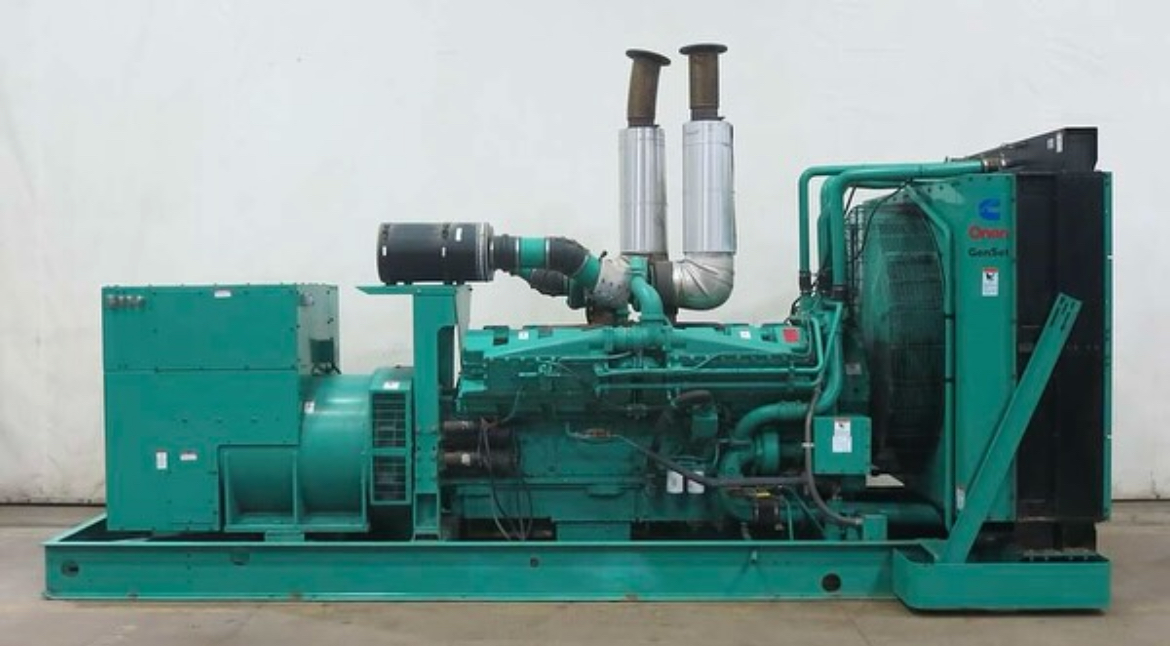
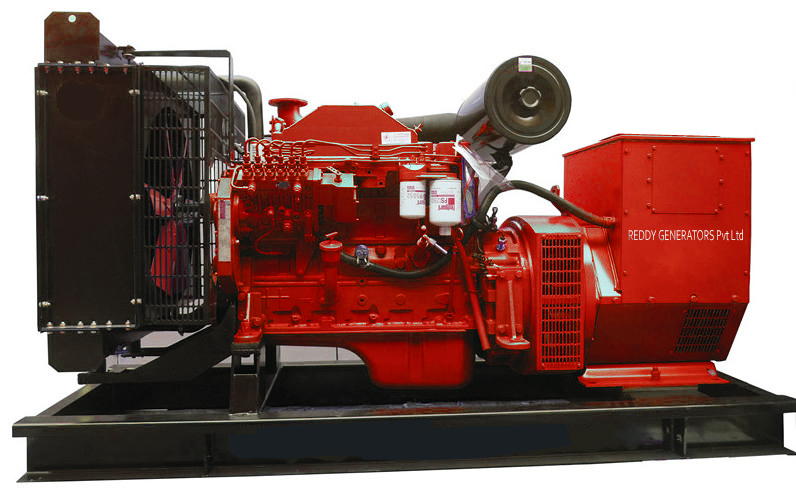
More related media (4)
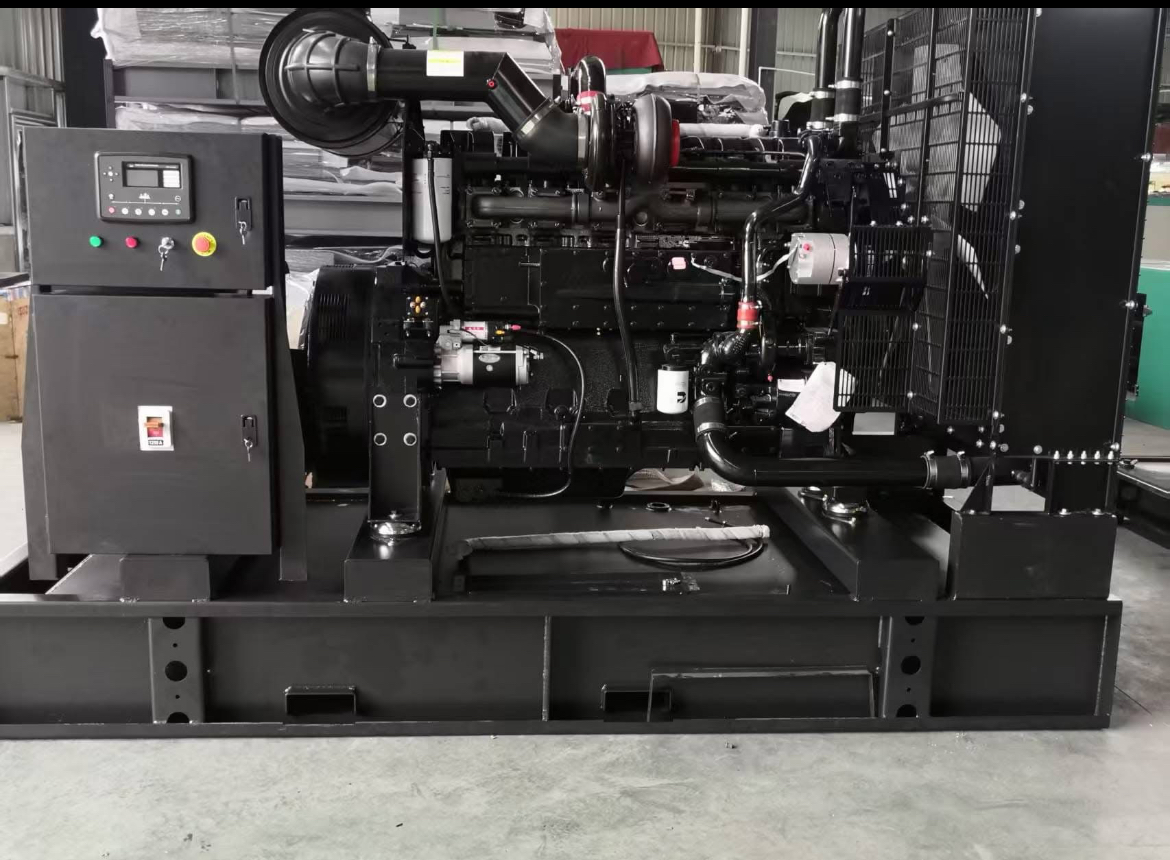
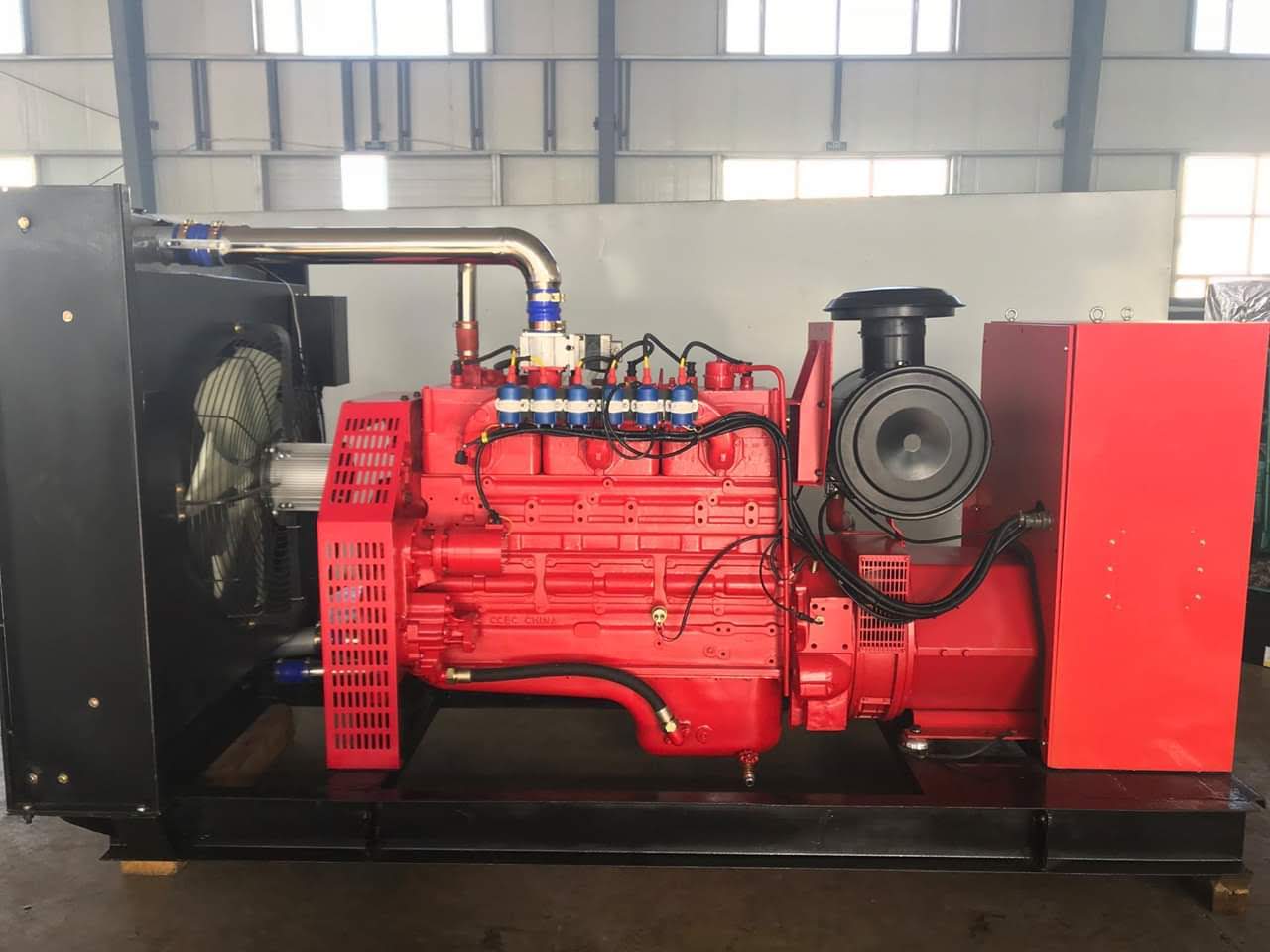
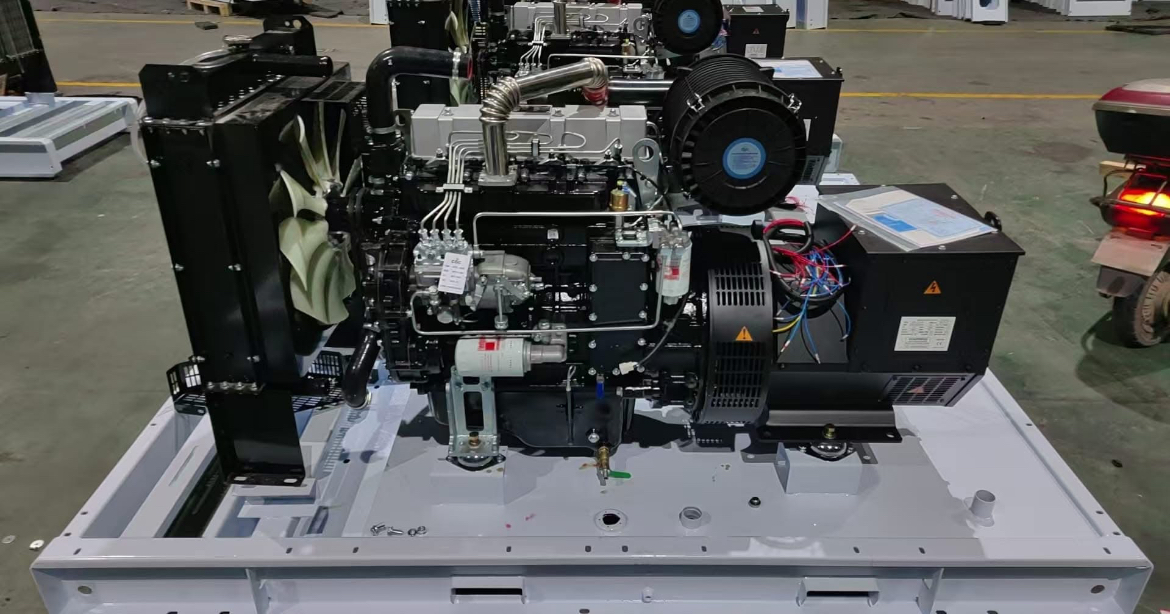
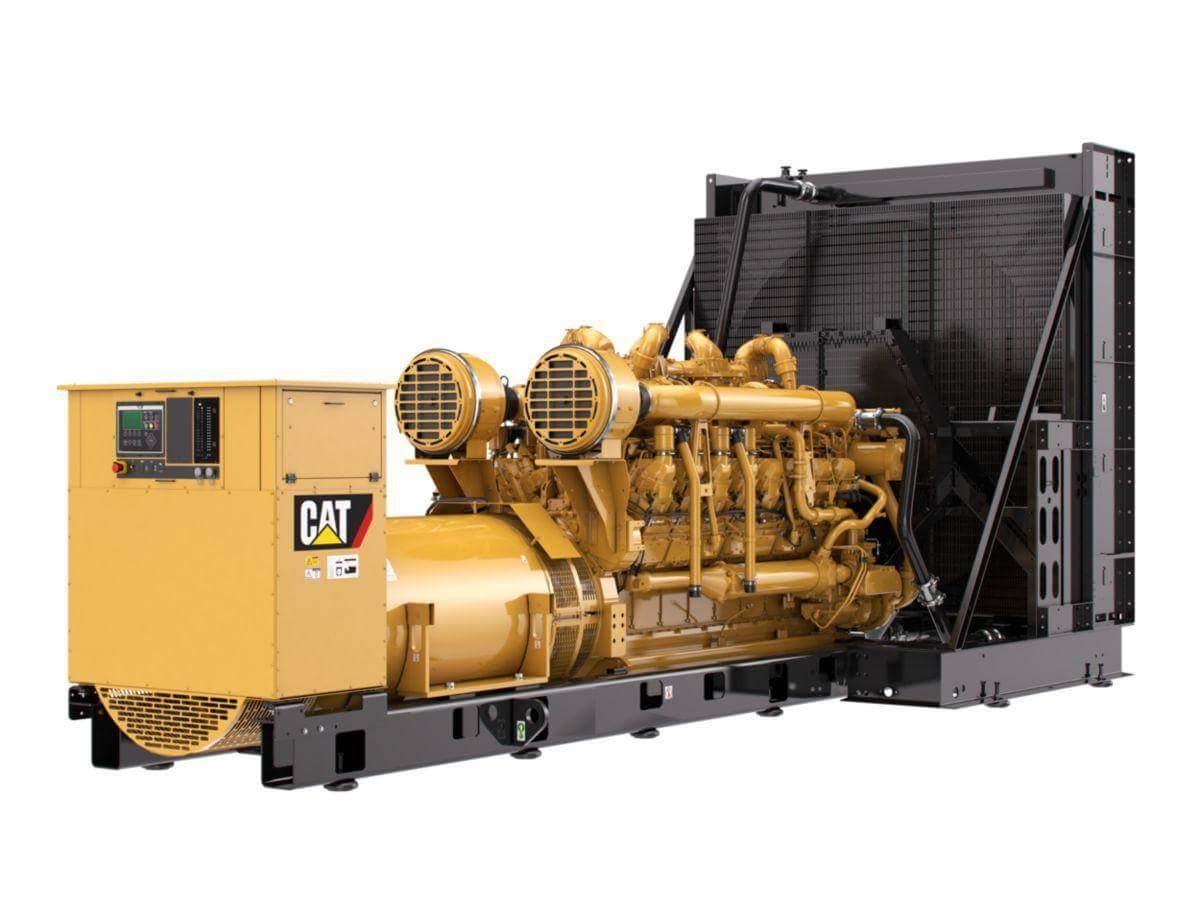
- cooling airflow
- combustion air
- exhaust
- noise
- vibration
- weather protection
- safety
- service access.
THE BUILDING BECOMES PART OF THE MACHINE
The system effectively becomes:
OPEN GENERATOR
GENERATOR ROOM
VENTILATION
EXHAUST
ACOUSTIC TREATMENT
FUEL
ELECTRICAL SYSTEM
=
FUNCTIONAL GENERATOR INSTALLATION
The older Reddy engineering material makes the same core point: with an open generator, inadequate ventilation, radiator discharge or exhaust design can undermine an otherwise correctly selected set.
WHEN OPEN CONFIGURATIONS MAY FIT
Potential applications include facilities with:
- engineered generator rooms
- industrial plant areas
- dedicated power houses
- custom acoustic treatment
- high service-access requirements.
MAINTENANCE ADVANTAGE
An open configuration can provide excellent access to:
- engine
- filters
- belts
- battery
- alternator
- fuel system.
But accessibility only becomes an advantage if the surrounding room has been designed with adequate clearance.
An open generator is not incomplete.
It is a generator whose environment must be deliberately engineered.
Engineering intent
Open Generator Sets should be evaluated as part of the complete power system rather than as an isolated catalogue item. Operating duty, connected load, interfaces, protection, controls, installation conditions, testing requirements and lifecycle consequences determine whether the arrangement is appropriate.
Engineering considerations
Cooling Air → Combustion Air → Heat Rejection → Exhaust → Noise → Vibration → Weather Protection → Fuel → Electrical Safety → Maintenance Access The completed power solution exists only after the surrounding environment has been engineered around it. With an open generator, the building effectively becomes part of the generator package. without enclosing the complete generating set inside an integrated acoustic/weather-protective canopy. The electrical-generation principle is the same as an enclosed generator. The difference is primarily in the physical installation architecture. A correctly selected open generator can perform very effectively where the site provides suitable: An open configuration should therefore be chosen because the installation supports it, not merely because the equipment appears simpler.
Selection and design considerations
Ignoring any one of these interfaces can undermine an otherwise correctly selected generating set. Open configurations may be suitable where the project already provides or intends to provide a dedicated engineered environment. Facilities with dedicated plant rooms and controlled access. Sites where generators form part of a larger electrical plant. Where maintenance accessibility and integration with existing infrastructure are important. Where multiple machines, switchboards, transformers and fuel systems are arranged within a dedicated power area. Where the building or project uses room-level noise-control engineering instead of individual acoustic canopies. Accessibility Can Be Excellent — If the Room Allows It One potential advantage of an open generator is physical access to the machine.
Integration and protection considerations
A professional used-generator transaction should transfer information, not merely equipment. • fresh paint is presented as evidence of mechanical condition. Is it appropriate for the intended load and duty? Reddy Generators’ used-equipment pathway can support, subject to confirmed capability and individual assessment: An Open Generator Is Not an Incomplete Silent Generator. It Requires an Engineered Environment. An open generator exposes the principal generating-set systems without a factory acoustic enclosure surrounding the complete machine. That can provide excellent access for inspection, maintenance and integration. But it also changes where several engineering responsibilities sit. With an open generator, the installation itself must manage:
Testing, commissioning and verification
Moving an open generator to another site requires more than transportation. A generator that operated correctly in one room may perform poorly in another if the installation interfaces change. Lifecycle support can include, according to confirmed scope: The open configuration can provide excellent maintainability when the installation has been engineered around lifecycle access. It is a generating set whose operating environment remains part of the project engineering scope. A high-quality installation requires the generator and room to function together. A Container Is Not Just Packaging. It Becomes the Generator’s Operating Environment. Containerisation can transform a generator into a compact, modular and potentially relocatable power module. But putting generating equipment inside a container creates a new engineering problem:
Operating and lifecycle considerations
The Generator Needs More Than a Flat Surface The final installation must follow the generator manufacturer’s mounting requirements and project structural design. The objective is not to eliminate all generator vibration. It is to prevent unacceptable mechanical transmission and component stress. An open generator may require room-level acoustic engineering when installed near: But acoustic treatment must remain compatible with airflow. A wall or attenuator that reduces noise but restricts cooling can create a new reliability problem. • acoustic management needs to be integrated into the generator package; The selection should consider the whole installation, not merely equipment price. An open generator generally requires an appropriate protected operating environment.
Decision and application considerations
Sizing, room design, ventilation, exhaust, fuel, cables, earthing or commissioning. A generator room is a heat-rejection system with a generator inside it. With an open generator, the building becomes part of the generator package. The Generator Room Is Not Empty Space Around a Machine. It Is Part of the Power System. A diesel generator room must do more than contain the generator. A generator can be correctly sized, correctly purchased and correctly delivered — but still become unreliable if the room around it cannot support operation. A Generator Room Should Be Designed Around Operation — Not Just Occupancy. Generator room design is the coordination of the physical, mechanical, electrical, thermal, acoustic and maintenance conditions required for a generator installation.
Direct answer
An Open Generator Transfers More Engineering Responsibility to the Installation. Without a factory acoustic enclosure surrounding the generating set, the installation must manage the operating environment.
The practical decision for Open Generator Sets should be based on verified load, equipment, interface and site information. Where equipment-specific data, regulatory applicability or a project study is required, this guidance does not replace that verification.