
A Diesel Generator Is a Complete Electromechanical Power System.
A diesel generator converts stored fuel energy into controlled electrical power through a chain of interacting systems:
FUEL
- ENGINE
- MECHANICAL SHAFT POWER
- ALTERNATOR
- VOLTAGE & FREQUENCY CONTROL
- PROTECTION
- LOAD
Its suitability depends not only on nameplate kVA, but on how the full system behaves under the customer’s operating conditions.
Related photographs and videos
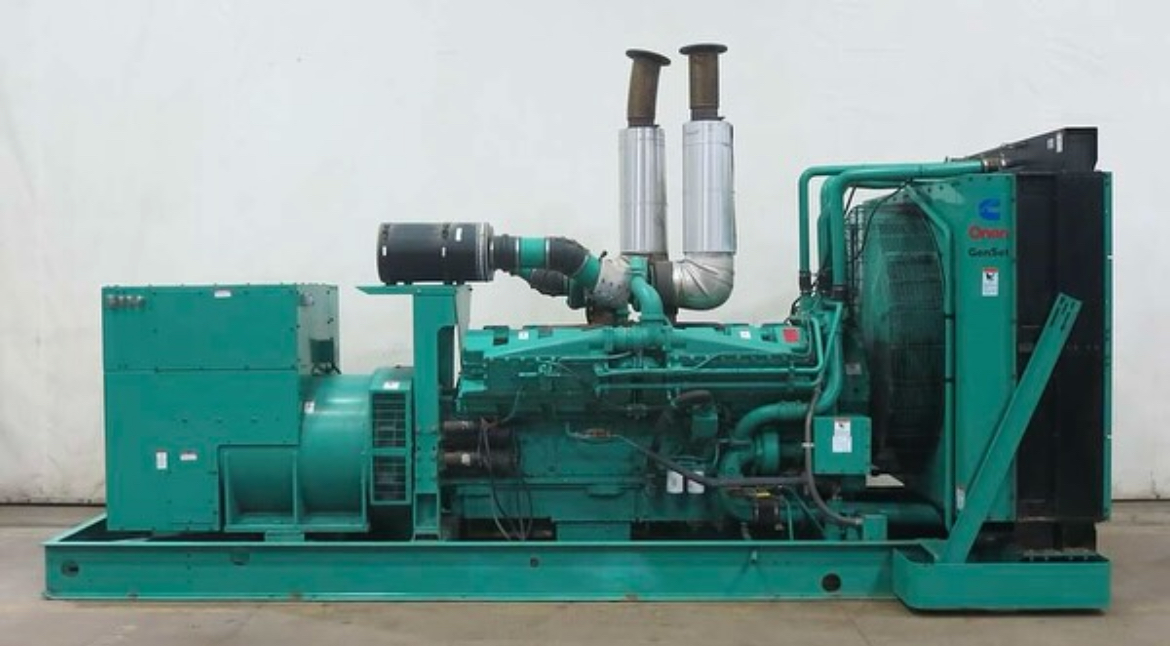
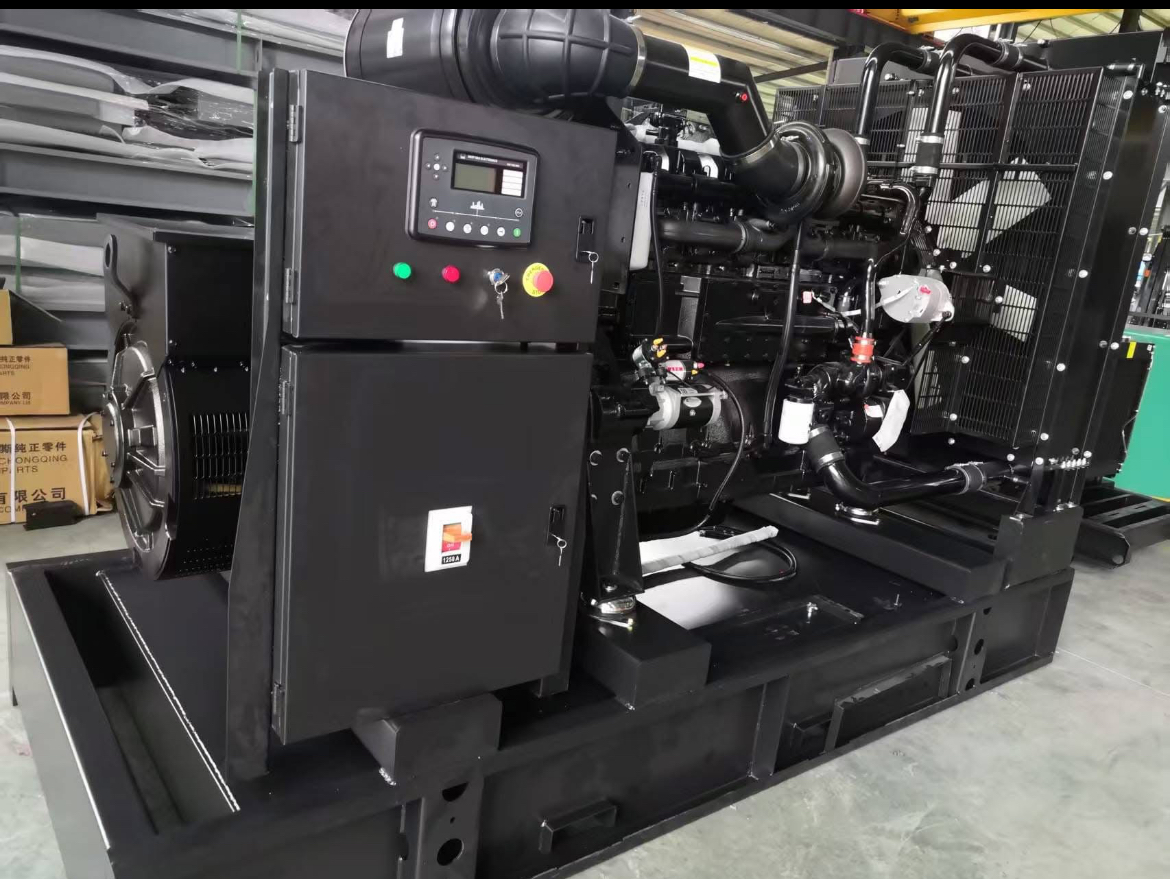
More related media (3)
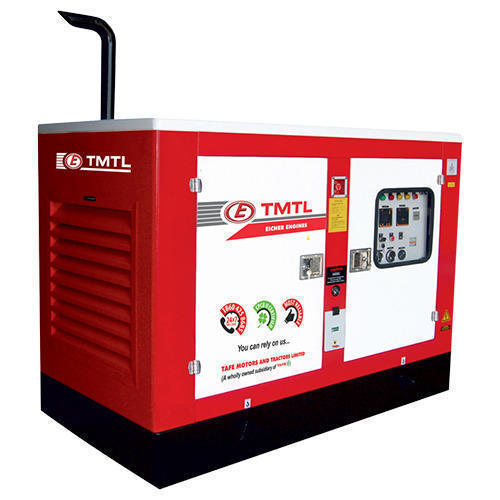
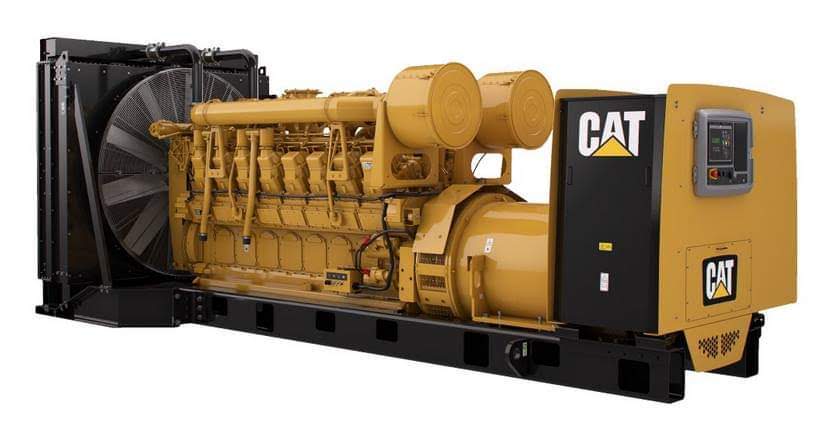
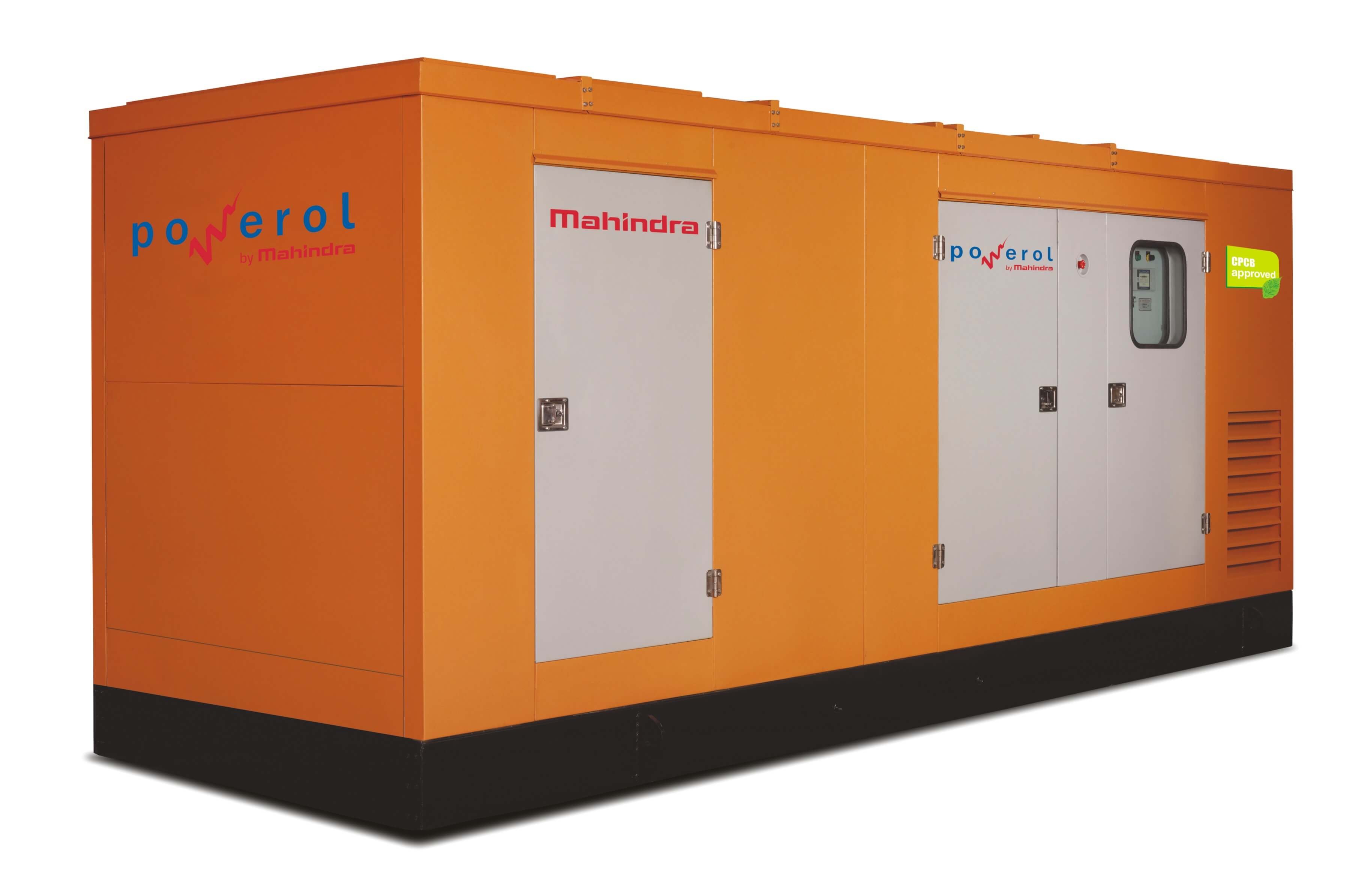
CORE GENERATOR ARCHITECTURE
Diesel Engine
Produces mechanical power.
Selection can be influenced by:
- required real power
- duty
- ambient conditions
- altitude
- transient response
- emissions configuration
- serviceability.
Alternator
Converts shaft power into electrical output.
Important factors can include:
- kVA capability
- voltage
- excitation
- winding arrangement
- temperature rise
- harmonic interaction
- motor-starting performance.
Controller
Coordinates:
- starting
- stopping
- metering
- alarms
- protection
- breaker control
- communications where supported.
WHERE DIESEL GENERATION FITS
Potential operating roles include:
- emergency standby
- commercial backup
- industrial standby
- prime project power
- remote-site generation
- temporary power
- multi-generator plants.
The exact rating definition must follow the current manufacturer documentation for the selected package.
WHY LOAD PROFILE MATTERS
A generator supporting:
400 kW of resistive load
is not necessarily equivalent to a generator supporting:
400 kW of motors, UPS systems and nonlinear loads.
The second application can introduce:
- starting current
- voltage dip
- frequency excursion
- harmonic current
- reactive demand.
FUEL IS PART OF THE POWER SYSTEM
A generator without usable fuel has no meaningful autonomy.
Fuel engineering can involve:
- base tank
- day tank
- bulk tank
- transfer system
- filtration
- contamination control
- level monitoring
- refuelling strategy.
DIESEL DOES NOT REMOVE INSTALLATION ENGINEERING
The system still needs consideration of:
- ventilation
- exhaust
- foundation
- vibration
- cables
- earthing
- acoustic environment
- service access.
PROCUREMENT QUESTIONS
Before selecting a package, ask:
What is the actual running demand?
What is the largest transient load?
Standby or prime duty?
50 Hz or 60 Hz?
What voltage and phase?
Indoor or outdoor?
What autonomy is required?
Automatic transfer?
Parallel operation?
What jurisdiction-specific equipment documentation is required?
SAFEGUARD
Published model:
- ratings
- fuel consumption
- emissions status
- noise
- dimensions
- controls
- must be verified for the exact current generator package.
DIESEL GENERATION IS MATURE TECHNOLOGY.
Correct application still requires engineering.
Engineering intent
Diesel Generator Sets should be evaluated as part of the complete power system rather than as an isolated catalogue item. Operating duty, connected load, interfaces, protection, controls, installation conditions, testing requirements and lifecycle consequences determine whether the arrangement is appropriate.
Engineering considerations
Mechanical Power, Electrical Generation, Controls and Protection Must Work Together An industrial diesel generator can be understood through four fundamental layers. The diesel engine converts fuel energy into mechanical shaft power. Conditions such as low oil pressure, excessive temperature, restricted airflow, fuel contamination or speed-control problems can affect the availability of the complete generator. The alternator converts shaft power into electrical output. The alternator must be considered together with the actual load—not only the generator’s catalogue rating. The generator controller manages operating logic and supervises key parameters. Depending on the system architecture, it may coordinate: Automation should make the power system more predictable and easier to operate—not unnecessarily complex.
Selection and design considerations
06 — Confirm whether fault is no-start, no-voltage, trip, overheating, unstable output or transfer failure 09 — Check fuel, oil, coolant and air path 11 — Measure voltage, frequency, current and phase condition 16 — Identify root cause or required next test The Engine Is the Prime Mover. If It Cannot Deliver Mechanical Power, the Generator Cannot Deliver Electrical Power. A diesel generator is an electrical power system, but the electrical output begins with the engine. When the engine weakens, the generator may still appear normal at no load — but fail during the real event: motor starting, emergency transfer, extended runtime, peak demand, or sudden load pickup. Generator engine repair is not just replacing parts. It is restoring the prime mover’s ability to support the electrical duty.
Integration and protection considerations
A single percentage cannot adequately describe how a dual-fuel generator behaves. At what generator load was the substitution achieved, with which engine, which gas, which control strategy, under what ambient conditions, for how long, and how was the percentage calculated? LOAD → ENGINE AIRFLOW → FUEL ENERGY → DIESEL CONTRIBUTION → GAS CONTRIBUTION → COMBUSTION → TORQUE → GENERATOR OUTPUT → EMISSIONS Therefore dual-fuel performance should be evaluated as an operating envelope, not a marketing percentage. kW • kVA • voltage • current • frequency • power factor • operating duration. where the usual assumptions and waveform limitations apply. Fuel-performance analysis should normally relate fuel consumption to useful electrical output, not generator nameplate rating alone. A generator rated 400 kW carrying 240 kW is operating at:
Testing, commissioning and verification
A diesel generator is not simply an engine connected to an alternator. Its reliable operation depends on several interdependent systems: The engine converts fuel energy into mechanical power. Fuel storage, quality, filtration and delivery influence starting, combustion and operating reliability. Combustion air, ventilation and exhaust arrangements affect performance and thermal conditions. Radiator, coolant, airflow and room ventilation determine whether the engine can reject heat under operating load. Correct lubrication protects moving components and supports long-term engine health. The alternator converts mechanical energy into electrical output and must operate within its thermal, voltage and loading limits. The excitation system and automatic voltage regulator influence voltage control and reactive-power behaviour. Battery, charger, cabling, starter and associated controls determine whether the generator is ready to start when required.
Direct answer
A Diesel Generator Is a Complete Electromechanical Power System. A diesel generator converts stored fuel energy into controlled electrical power through a chain of interacting systems: FUEL ENGINE MECHANICAL SHAFT POWER ALTERNATOR VOLTAGE & FREQUENCY CONTROL PROTECTION LOAD Its suitability depends not only on nameplate kVA, but on how the full system behaves under the customer’s operating conditions.
The practical decision for Diesel Generator Sets should be based on verified load, equipment, interface and site information. Where equipment-specific data, regulatory applicability or a project study is required, this guidance does not replace that verification.