
Filters can differ in their filtration characteristics, pressure behaviour, bypass arrangement and application. Thread size and external dimensions alone do not establish suitability. Use the engine identity, installed filter reference and applicable manufacturer information to check the proposed match. A cross-reference is useful only when it applies to the actual configuration.
Identify the complete service requirement
Planned maintenance may involve oil, fuel, air or other filters fitted to the equipment. Confirm which items are required for the applicable service and whether associated seals or other items are included. Keep the proposed kit contents explicit. The phrase service kit should not be treated as a universal list covering every engine or interval.
Engine make
- MODEL
- SERIAL
- Current filter number
- cross-reference verification
Cross-reference discipline
It should not be treated as an unquestionable guarantee where the actual engine/build differs.
Related photographs and videos
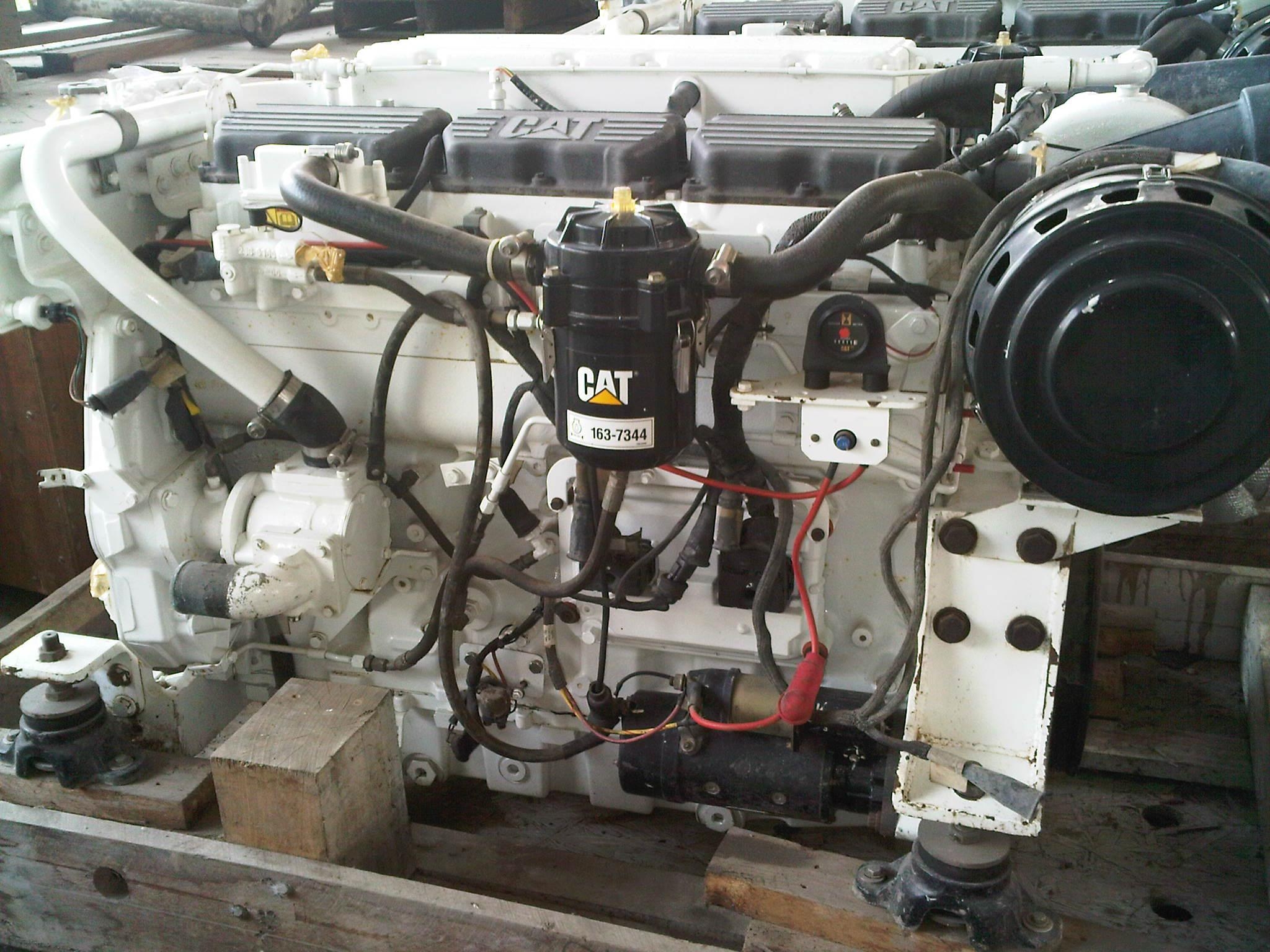
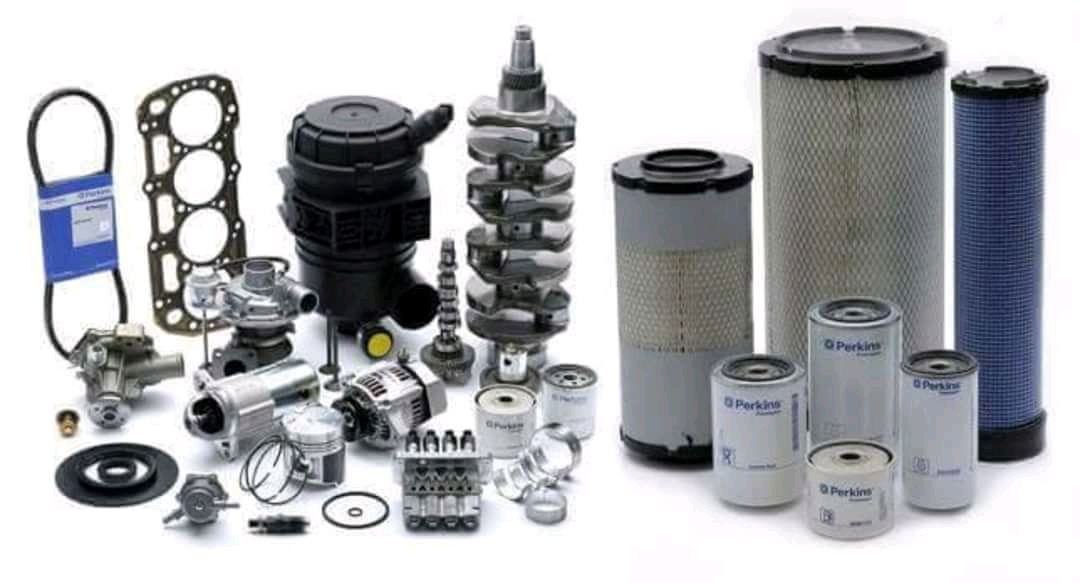
Service kit opportunity
For planned maintenance, it may be more useful to identify the complete interval requirement rather than order one filter at a time.
Service parts are inexpensive compared with the consequences of the wrong service part.
Keep the maintenance requirement together
When ordering filters for a planned service, identify the applicable interval and engine build, and retain the part references in the service record. This makes the next order traceable and helps prevent an old cross-reference from becoming an unsupported assumption.
Retain a traceable replacement record
Record the filter references and relevant service details after the work is completed. If contamination or an unusual condition is found, retain that observation and assess whether further investigation is required. Filter replacement can address a maintenance requirement without resolving the source of recurring contamination. Availability and provenance should be confirmed for the specific proposed supply.
Find My Generator Part
Spare Parts Enquiry. Share the application, location and information available so the next discussion can address your actual requirement.
Related guidance
Engineering intent
Generator Filters should be evaluated as part of the complete power system rather than as an isolated catalogue item. Operating duty, connected load, interfaces, protection, controls, installation conditions, testing requirements and lifecycle consequences determine whether the arrangement is appropriate.
Compatibility before supply
Selection should begin with exact generator, engine, alternator, controller or switchgear identity and the available model, serial and part-reference information. Physical similarity alone does not establish compatibility.
Engineering considerations
No automatic “fits your generator” statement without evidence. Specifications and intervals must follow the identified engine/application and verified source information.
Selection and design considerations
A sensor fault can imitate a real machine fault. Do not replace sensors or bypass alarms without checking the physical condition, wiring and controller input. Older maintenance material states that engine oil, fuel filters and air filters are key maintenance items and warns that dust can damage generator systems. It should be used as maintenance direction, while exact intervals must remain manufacturer- and site-specific. A belt or hose should be selected by engine model and specification, not by visual approximation alone. A board replacement without configuration can leave the generator unreliable. Gaskets and seals may appear simple, but wrong selection can create: Parts support should include correct gasket kit selection where possible.
Integration and protection considerations
Standardising consumables can reduce complexity—but only when technically valid. → engine identification → approved consumables → cross-reference verification → identify genuine commonality → consolidate stock. buy one filter type → make everything use it. cleanliness + identification + sealed packaging + appropriate environment + stock rotation. Where products have storage-life considerations, use appropriate inventory discipline. IF THE FLUID CANNOT BE POSITIVELY IDENTIFIED, DO NOT PUT IT INTO THE ENGINE. Contamination prevention begins before the fluid reaches the generator. This turns maintenance into an auditable lifecycle record. A consumed item can reveal what the generator has been experiencing. → replenish/install → verify levels → check leakage → start generator → verify pressure/temperature → confirm alarms clear appropriately → observe operation → record service. Do not treat the invoice as the acceptance test.
Testing, commissioning and verification
This is much stronger than representing an overhaul kit as a single commodity SKU. The exact engine, measured condition, repair scope and verified parts govern. The supplied technical library strengthens Generator Consumables considerably. Your Industrial Diesel Generator guide treats air, fuel and oil filtration as a core maintenance discipline, particularly where dust and fuel contamination are significant operating realities. Your diesel-vs-gas reference separately identifies engine oil, oil filters, air filters, fuel filters, coolant and batteries among routine diesel-generator maintenance requirements.
Operating and lifecycle considerations
Older Reddy maintenance material correctly identifies routine checks such as control-panel readings, indicators, fuel filters, air filters, regular component replacement, logging inspection dates and recording hour-meter readings. It also notes that unusual variation in readings can indicate faulty performance. Preventive maintenance converts generator condition into documented reliability evidence. Preventive Maintenance Is Not Only Oil and Filters Oil, fuel filters and air filters matter — but they are only one part of generator readiness.
| Engine | starting, combustion, lubrication, cooling and mechanical health |
|---|---|
| Lubrication | oil level, oil condition, oil filter, leaks and service interval |
| Fuel system | fuel delivery, filtration, water contamination, tank condition |
| Cooling system | coolant, radiator, fan, belts, hoses, ventilation interaction |
Direct answer
Filters can differ in their filtration characteristics, pressure behaviour, bypass arrangement and application. Thread size and external dimensions alone do not establish suitability.
The practical decision for Generator Filters should be based on verified load, equipment, interface and site information. Where equipment-specific data, regulatory applicability or a project study is required, this guidance does not replace that verification.