
The lubrication system includes components with different roles in supply, circulation, filtration, cooling and monitoring. A useful enquiry identifies the engine, the component and where it sits in that system. Include markings, the applicable parts reference and any inspection findings. A generic description can conceal important differences in the required assembly.
Consider the condition behind the replacement
A damaged component, abnormal pressure indication or evidence of contamination may require investigation beyond parts supply. Record what was observed and what has been measured. Lubricant selection and maintenance history can be relevant, but they should be assessed against the actual engine requirements rather than an assumed universal specification.
Low oil pressure is a diagnostic condition
Actual pressure, engine condition, oil level/grade and instrumentation may all require evaluation.
Related photographs and videos
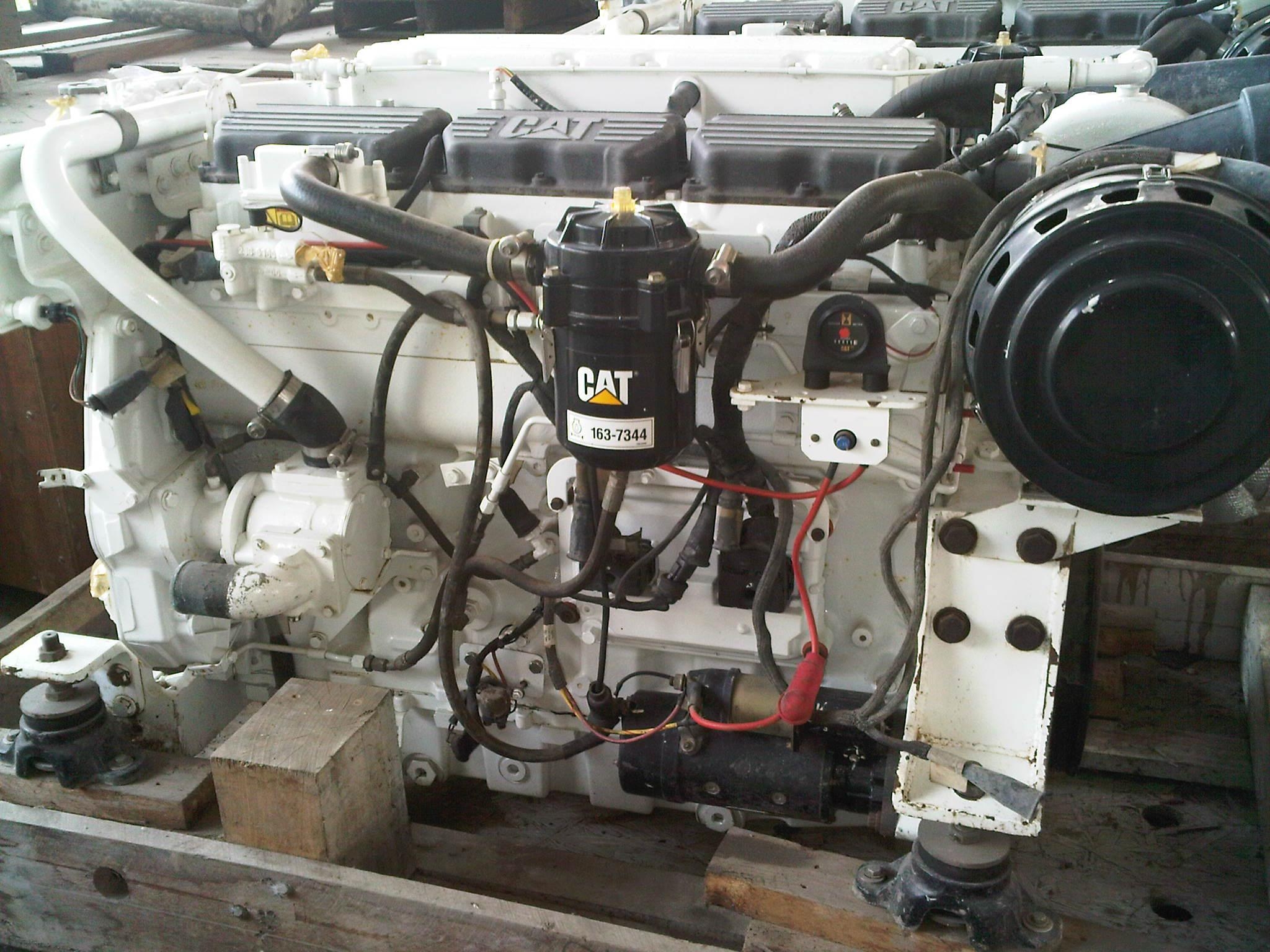
Sensor parts
Lubrication parts should be selected around both engine identity and the condition being investigated.
Match lubrication components to the system
Lubrication-system parts and service materials must suit the engine specification and operating requirement. Include the component identity and the reason for replacement; contamination, incorrect lubricant or a system fault can matter as much as the removed component.
Keep the repair requirements connected
Confirm the proposed part and any associated service items against the approved repair scope. If an alternative is offered, establish the technical basis of compatibility. The final record should identify the components and materials used, the work performed and the checks after completion. This allows later maintenance to build on a known configuration instead of an undocumented replacement history.
Find My Generator Part
Spare Parts Enquiry. Share the application, location and information available so the next discussion can address your actual requirement.
Related guidance
Engineering intent
Lubrication-System Parts should be evaluated as part of the complete power system rather than as an isolated catalogue item. Operating duty, connected load, interfaces, protection, controls, installation conditions, testing requirements and lifecycle consequences determine whether the arrangement is appropriate.
Compatibility before supply
Selection should begin with exact generator, engine, alternator, controller or switchgear identity and the available model, serial and part-reference information. Physical similarity alone does not establish compatibility.
Engineering considerations
The supplied reliability material explicitly treats lubrication as foundational to rotating-equipment reliability and highlights incorrect lubricant selection, under/over-lubrication, moisture contamination, dust ingress and operating temperature as important failure contributors. Your generator-protection material also defines the lubrication protection domain around low oil pressure, high oil temperature, low oil level, filter differential pressure, pre-lube pump failure, leakage and crankcase-pressure conditions. Recommended
Selection and design considerations
→ contains lubrication system → lubrication system stores oil → pump circulates oil → filter removes contaminants → cooler manages lubricant temperature → galleries deliver lubricant → bearings/turbo/valvetrain depend on oil film → sensors monitor condition → controller generates alarms/shutdowns. This turns Lubrication-System Parts into structured engineering knowledge rather than a shallow parts catalogue. A FILTER IS A SMALL COMPONENT PROTECTING A MUCH LARGER INVESTMENT. A diesel generator depends on clean working fluids and clean combustion air. Filters form defensive boundaries between contamination and some of the generator’s most sensitive components:
Integration and protection considerations
with continuous supervision through appropriate pressure, temperature and level monitoring. A failure anywhere in that chain can damage components far more expensive than the failed lubrication part. Confirm that the requested component category is supported before ordering. Lubrication-System Parts should not assume one universal oil grade for every diesel generator. The controlling source is the applicable engine manufacturer’s current service documentation. rather than assuming that topping up automatically restores lubrication health. Do not select a pump simply because mounting points appear identical. 6. Low Oil Pressure Does Not Automatically Mean Failed Oil Pump Potential diagnostic causes include several possible low-pressure contributors, including insufficient oil level, pump failure, blocked filtration/suction, excessive bearing clearance, oil dilution, internal leakage and incorrect lubricant viscosity.
Testing, commissioning and verification
Risks include overload history, dust exposure, fuel contamination, transport damage and inconsistent operating records. Repeated repair without root-cause removal wastes money and weakens reliability. Low oil pressure must not be ignored because lubrication protects moving engine components. The generator component source states that moving engine parts require lubrication and that oil level and leakage checks are part of generator operation. This does not automatically prove overhaul, but it may justify deeper inspection. The generator component source states that continuous generator usage produces heat and requires cooling and ventilation to remove heat. Before overhauling an overheated engine, confirm whether the root cause is inside the engine or outside it.
Operating and lifecycle considerations
Do not automatically replace the oil cooler because oil temperature rises. Lubrication controls friction, wear and heat transport at critical interfaces. A lubrication failure can increase frictional heating and damage. Engine Bearings established that engine bearings operate through a controlled oil film. Therefore bearing damage should trigger review of the lubrication system. → film breakdown → increased contact/wear → temperature rise → bearing damage → journal damage → major engine failure. Turbo & Air-System Parts established the turbocharger’s dependence on the engine lubrication circuit. A replacement turbocharger installed without correcting an oil-supply problem can fail again. Abnormal valvetrain wear can therefore require investigation beyond the damaged component itself. Different contamination mechanisms point toward different root causes. Fuel entering lubricating oil can alter lubricant behaviour.
Direct answer
The lubrication system includes components with different roles in supply, circulation, filtration, cooling and monitoring. A useful enquiry identifies the engine, the component and where it sits in that system.
The practical decision for Lubrication-System Parts should be based on verified load, equipment, interface and site information. Where equipment-specific data, regulatory applicability or a project study is required, this guidance does not replace that verification.